
The research project ASTeR, acronym for “Archaeology of Style, Technology and Resilience: an integrated study of White Slip ware and ceramic regionalism in Late Bronze Age Cyprus” is funded by the Research and Innovation Foundation (RIF) of Cyprus, with a budget of 119,994 euros. It is implemented at the Archaeological Research Unit of the University of Cyprus between May 2025 and April 2027.
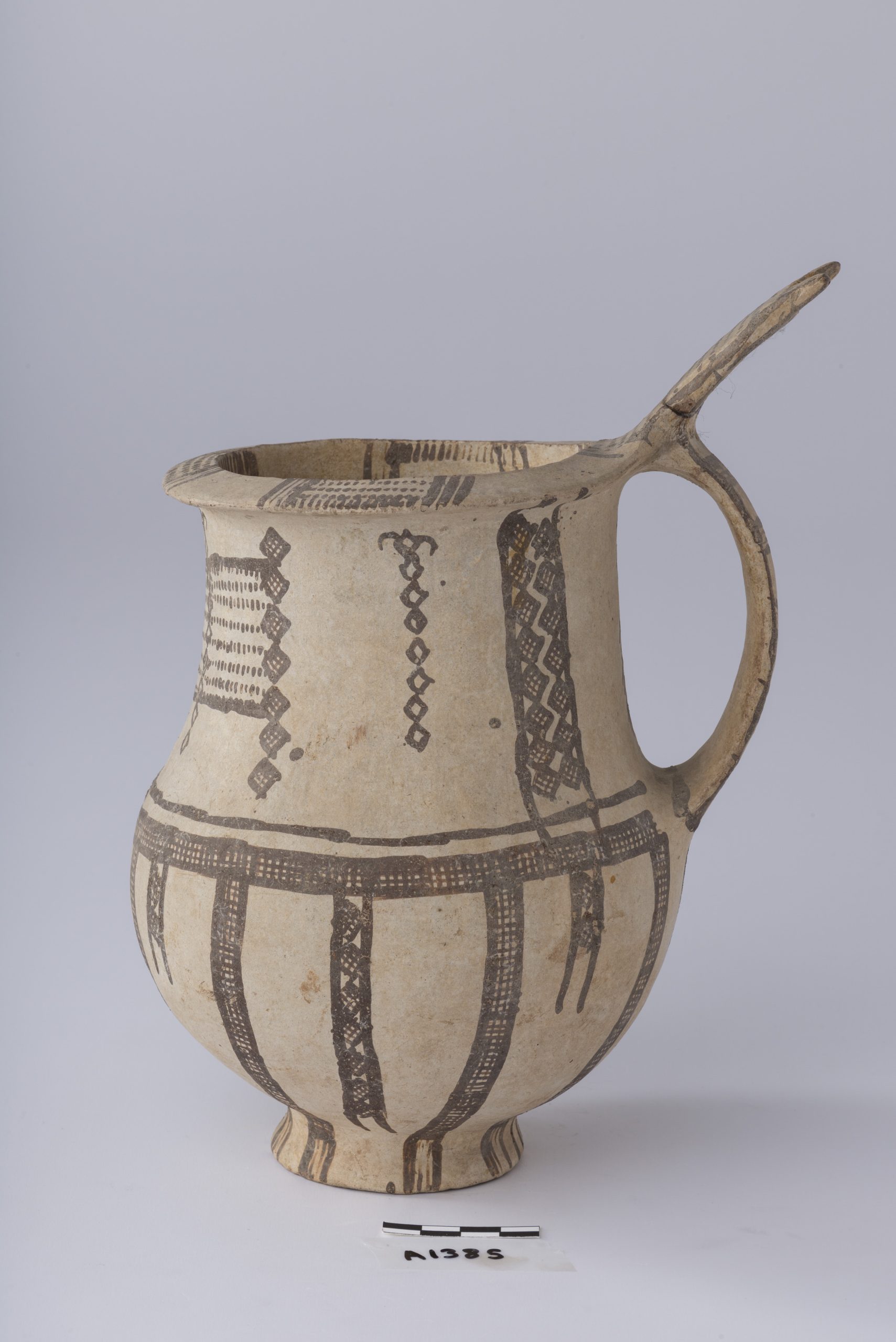
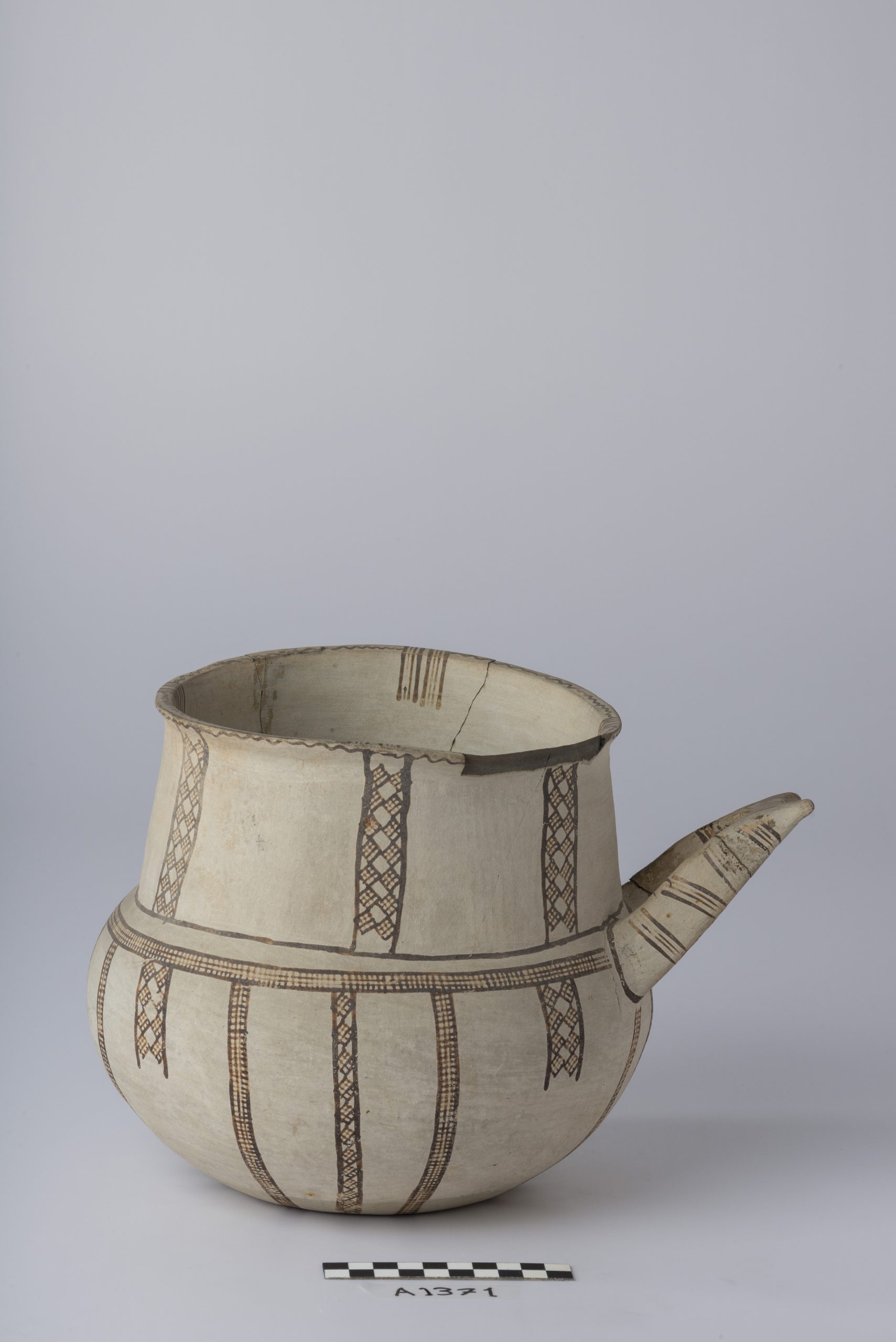
ASTeR proposes the interdisciplinary, targeted and innovative study on a distinctive ceramic class produced in Cyprus during the Late Bronze Age (LBA) (ca. 1650-1050 BC), known in modern scholarship as ‘White Slip ware’. White Slip is a uniquely Cypriot product, constituting the period’s most distinctive Cypriot ceramic export across the Mediterranean. It is considered the hallmark and trademark of the island’s industry of finewares during the 2nd millennium BC. Recognising the significant role of White Slip ware in revealing Cypriot artistic expression during the Late Bronze Age, as well as in contributing to the elucidation of interregional connections and synchronisations, the research programme ASTeR was developed to provide a holistic and contemporary approach to White Slip ware. The project acknowledges the highly regional nature of Cypriot material culture, and the challenges of synchronising various wares/styles, and seeks to untangle the White Slip sequence with respect to regional developments. The project will also employ advanced scientific techniques and leverage advancements in digital technologies to investigate the production areas of regional wares and clarify the production technology of temporally and regionally distinct variants.
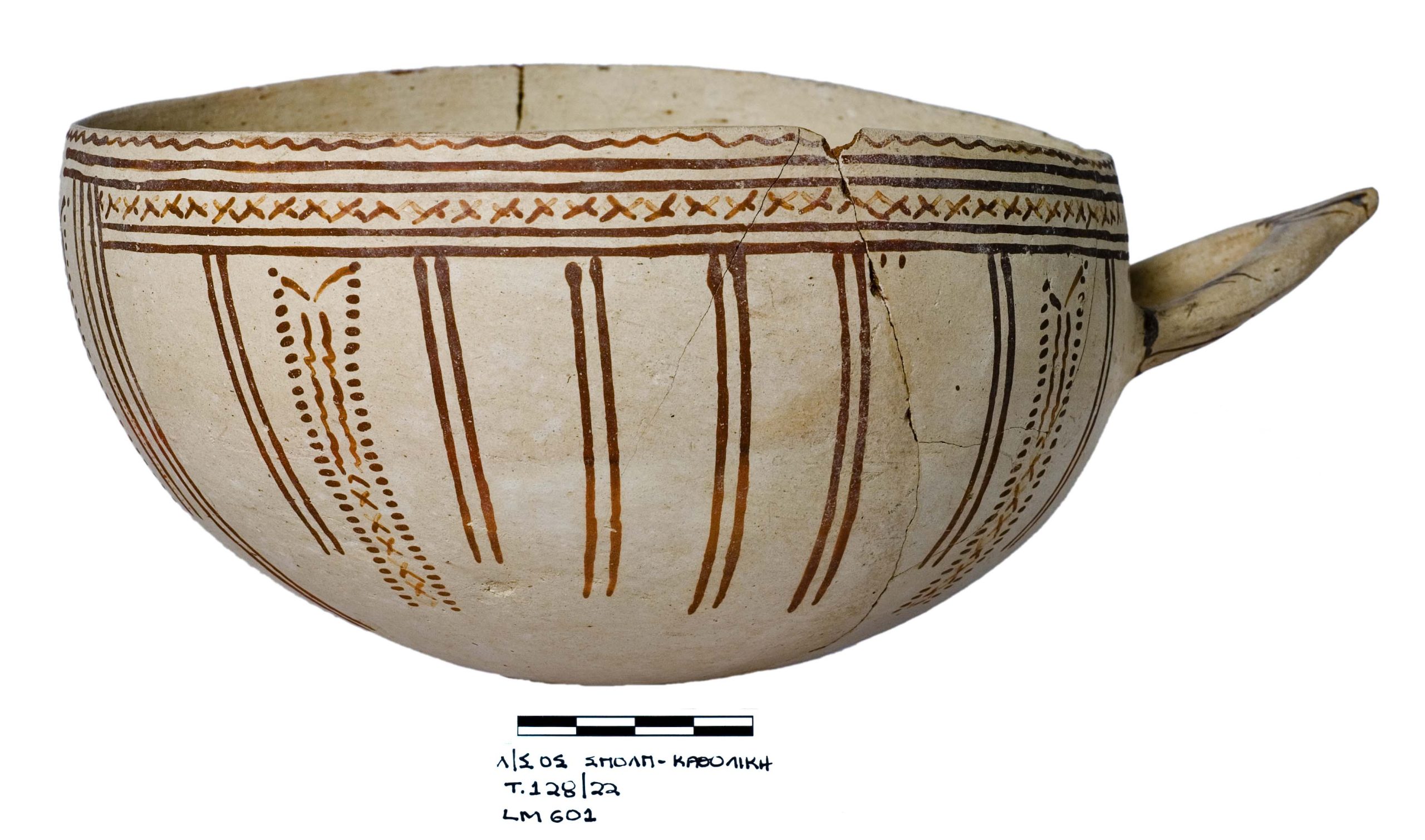
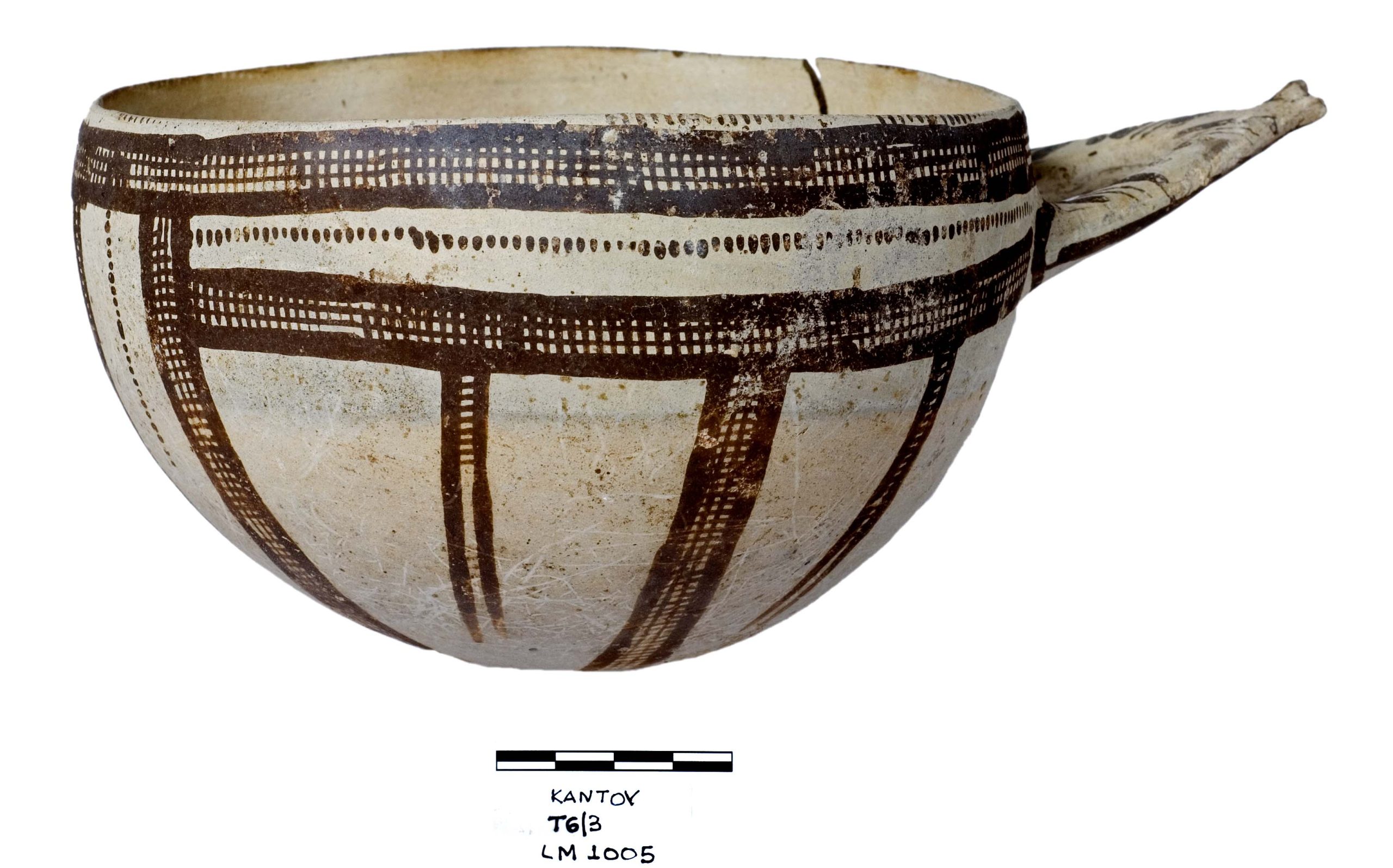
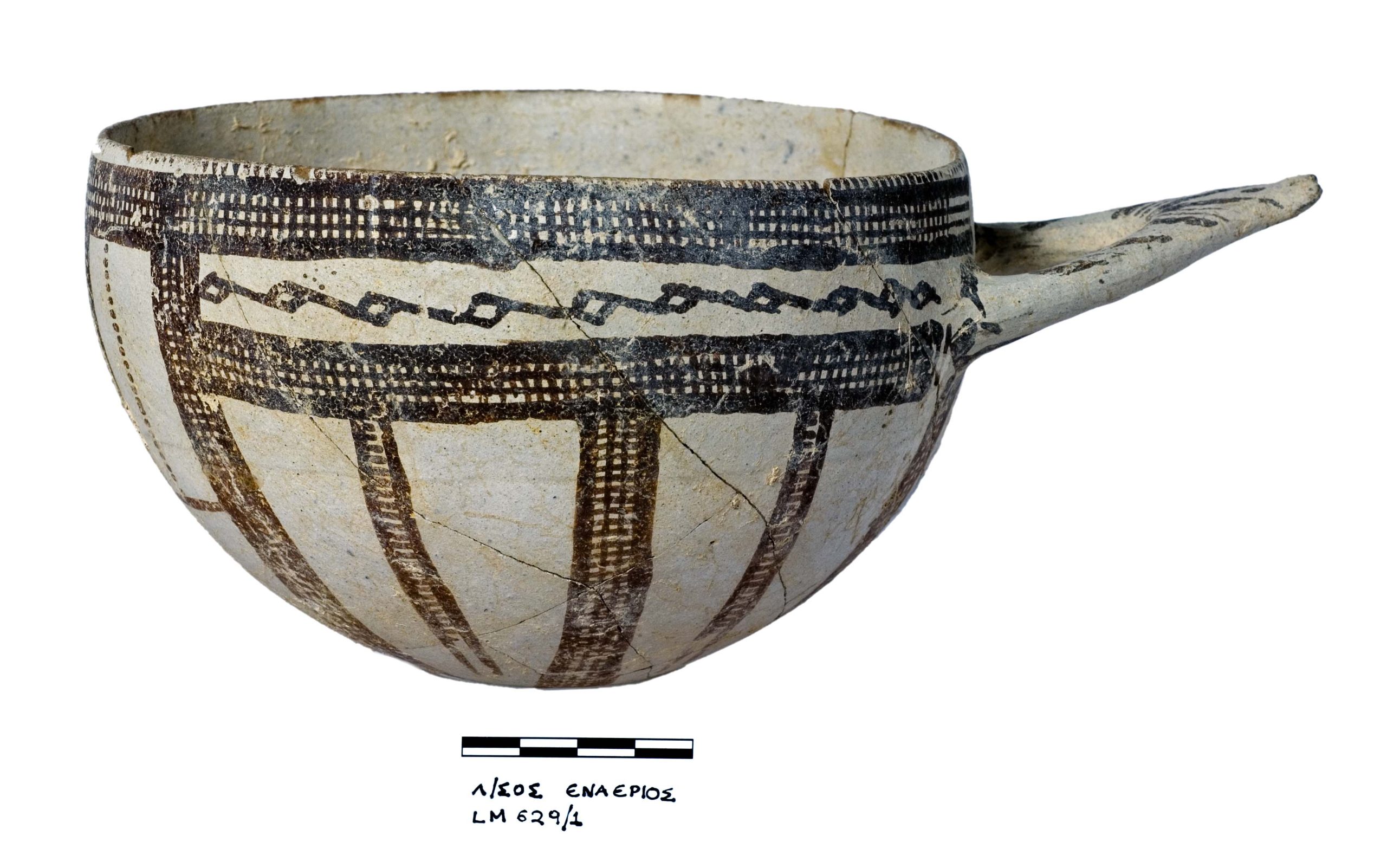
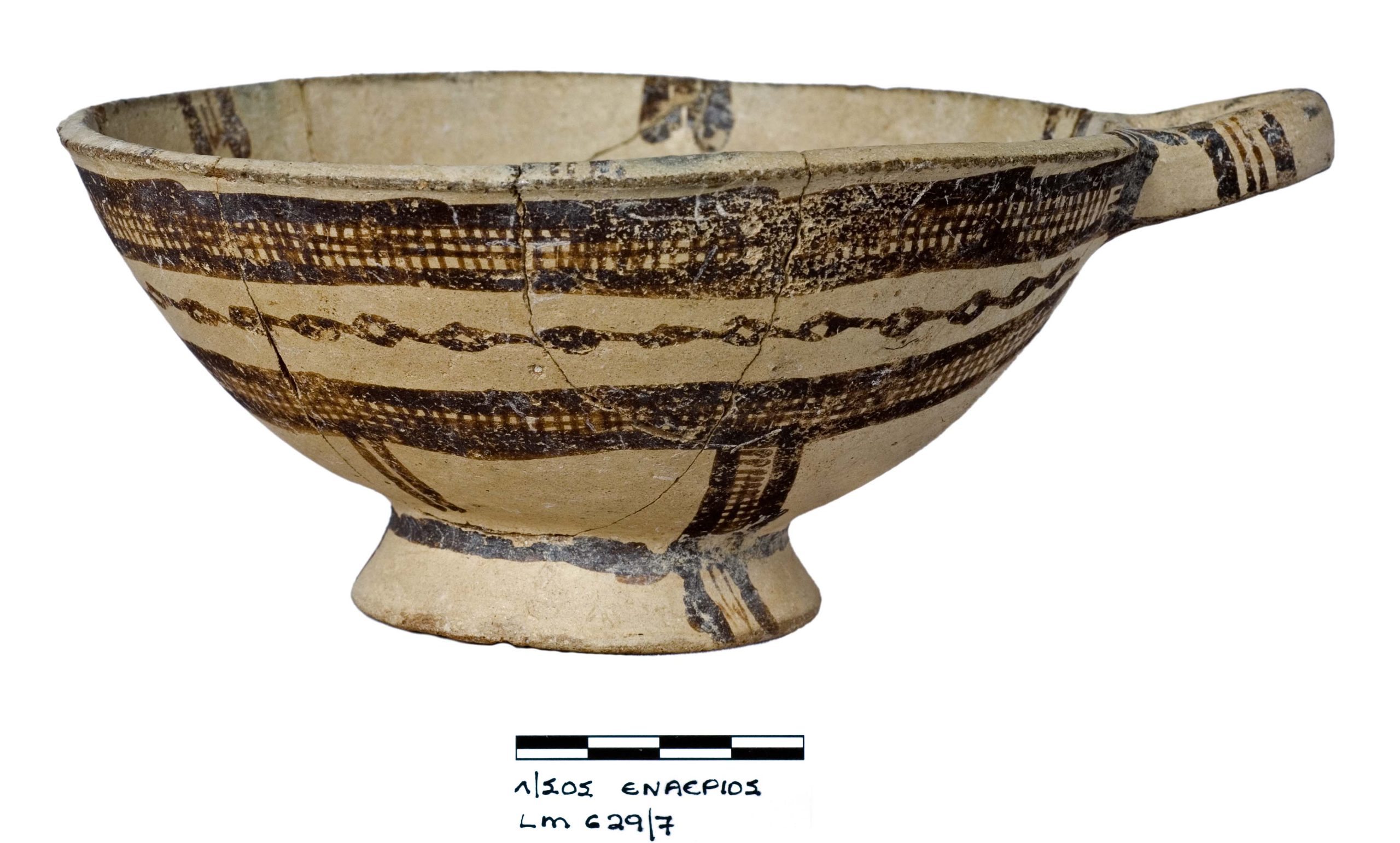
Drawing upon its advanced, interdisciplinary methodology, the research agenda of ASTeR comprises the following specific scientific and technological objectives:
Formulation of an up-to-date and comprehensive typo-chronological sequence of White Slip ware ceramics
The project aspires to address the intricate morphological and stylistic sequence of White Slipware production, from its earliest manifestation (Proto-White Slip), to its peak quality (White Slip I), through the development of standardised production (White Slip II and related styles), and up to its degeneration and abandonment (White Slip II-Late), integrating recent discoveries and acknowledging the operation of stylistically distinct lines of development, corresponding to regional preferences and local workshops. While regional idiosyncrasies have been noted in previous scholarship, no consistent and targeted study has exhaustively addressed this issue thus far. Through targeted museum studies, our project aspires to identify and classify the idiosyncratic stylistic characteristics of regional White Slip variants and synchronise their development in relation to the more widespread and mainstream White Slip types. The end-result of this process will be the formulation of an informed and intricate classification sequence.
Investigate possible production areas for regional styles. The project further aspires to undertake an integrated, analytical approach to characterise the clays of distinctive variants within the White Slip sequence, with the aim of localising the raw materials used in their production and ultimately identifying possible production areas. This objective comprises three inter-related activities: 1) the first entails the macroscopic visual inspection of fabrics with the aim of classifying the White Slipassemblages into comprehensive groups, by recording characteristics of the clay, inclusions, surface treatment and paint. 2) The macroscopic visual inspection will form the basis for the meaningful selection of a representative subset of samples, to represent stylistic classifications across the identified spectrum of types, for thin-section ceramic petrography. The sampled data will be clustered into discrete fabric groups and subgroups, and the origin of each group will be assessed by establishing the origin of the raw materials employed, considering established databases. 3) A further sample-set will be strategically selected to be elementally analysed, by means of Wave-length Dispersive X-Ray Flueresence (WD-XRF) at the state-of-the-art facilities of the Fitch Laboratory of the British School at Athens. Integration of WD-XRF data with results from ceramic petrography and archaeological information will result in the definition and characterisation of discrete compositional groups and will provide the best conditions for pinpointing the possible production areas of each stylistically discrete group within the broad White Slip category.
Characterisation of production technology of White Slip ware and the resilience of handmade production.
ASTeR will address the technology related to White Slip production, following a chaîne opératoire approach and endorsing an interdisciplinary methodology, to investigate: i) the functional attributes related to consumption practices of White Slip vessels, ii) the properties of raw materials, iii) the method(s) of construction by hand, iv) the adhesion of the heavy slip onto the vessels’ walls, and other intriguing matters. This task will produce invaluable new insights into the production technology of White Slip ware to help elucidate the social structures and symbolism that sustained the demand for such handmade vessels.
In order to attain these challenging tasks, we will employ a multi-faceted methodology that includes: 1) macroscopic visual inspections to record distinctive traces, 2) X-Radiography to be undertaken at a private medical centre, on a sample-set of strategically selected specimens to illuminate construction techniques, 3) microscopic examination of thin sections to investigate forming techniques and determine the material properties of the selected resources, 4) Scanning Electron Microscopy for specimensto examine the degree of clay particle vitrification and designate firing temperatures, and the composition of slips, 5) Employment of optical scanner operating at the HO, to scan several rim fragments and create digital profiles and 3D digital models, in order to assess the level of standardisation among the stylistic classes, 6) experimentation with forming techniques: pinching, coiling, beating of single slabs onto moulds, and a combination of the above, 7) ethno-archaeological observations of practices by traditional potters in pre-industrial Cyprus and other parts of the world.
Outline intra-regional connections within Cyprus and inter-regional connectivity with other Mediterranean communities.
The project’s research activities will provide critical new data to illuminate intra-regional connections within Cyprus and interregional connectivity with other Mediterranean regions. The project aspires to trace the prolific distribution of White Slip vessels – especially of stylistically distinctive classes of regional productions – across the eastern Mediterranean, with the aim of discerning routes of contact.
Contribution to the comprehensive understanding of the Late Cypriot ceramic industry and politico-economic organisation.
An advanced objective of the ASTeR research project is to disentangle the intricacies of the Late Cypriot ceramic industry, thus contributing to the comprehensive understanding of the island’s social structures and institutional involvement. Key questions include: What demand mechanisms within and beyond the island sustained production of White Slip ware for more than 400 years? What were the distribution/consumption strategies of the various, yet synchronous, styles of White Slip ware? Did regional styles have a distinctive impact/meaning/function for the island’s communities? Can we trace institutional involvement in the production and distribution of White Slip variants, and what inferences can we postulate on the politico-economic landscape of the island in the LBA? We anticipate utilising the results of our ambitious research as a stepping stone to addressing these key and complex questions during the conclusive part of our project.



Last Updated on July 15, 2025