
Archaeological Investigations at Palaepaphos 2016
Excavation Season 2016
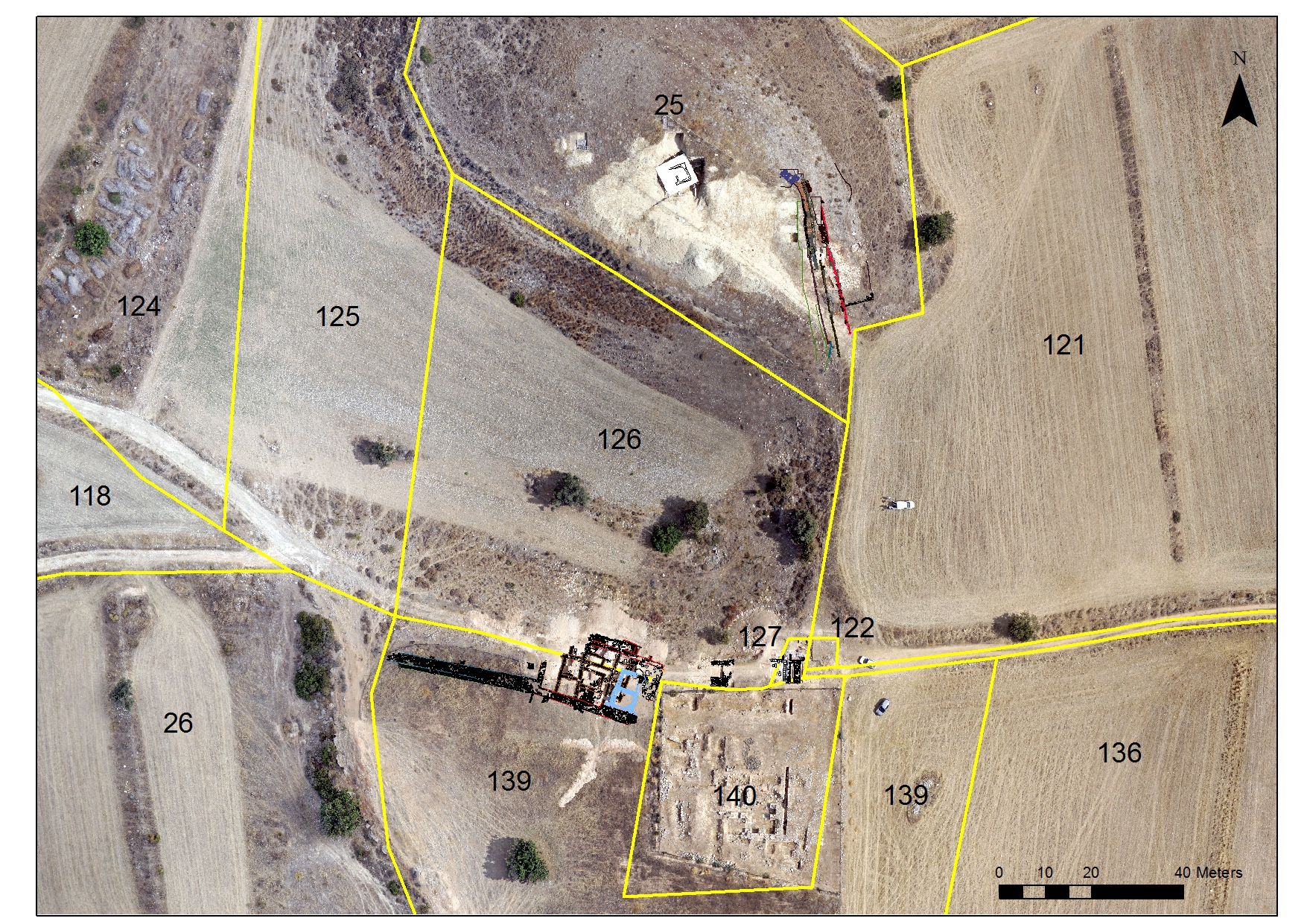
The University of Cyprus completed the 2016 field project in the economic-administrative citadel of Ancient Paphos. This year's excavations were conducted on the plateau (citadel) of Hadjiabdullah, which houses an extensive storage-plus-industrial complex of the Cypro-Classical period, and on the nearby impressive man-made mound of Laona (Fig. 1). Both monuments were unknown prior to the initiation of the Palaepaphos landscape analysis project (2006-2016) by Professor Maria Iacovou (Department of History and Archaeology, Archaeological Research Unit).
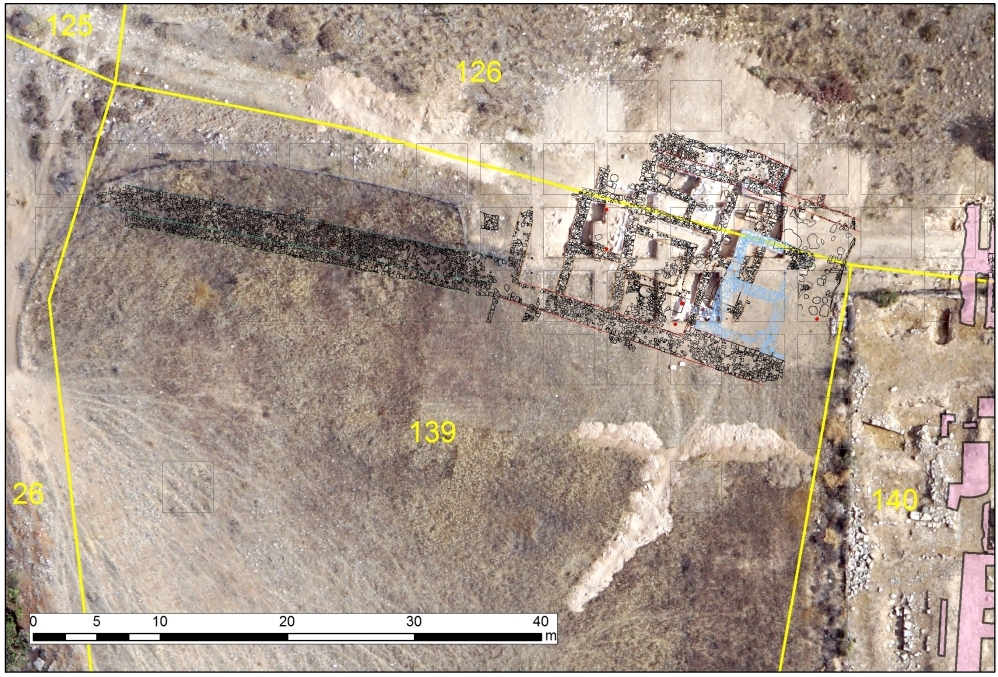
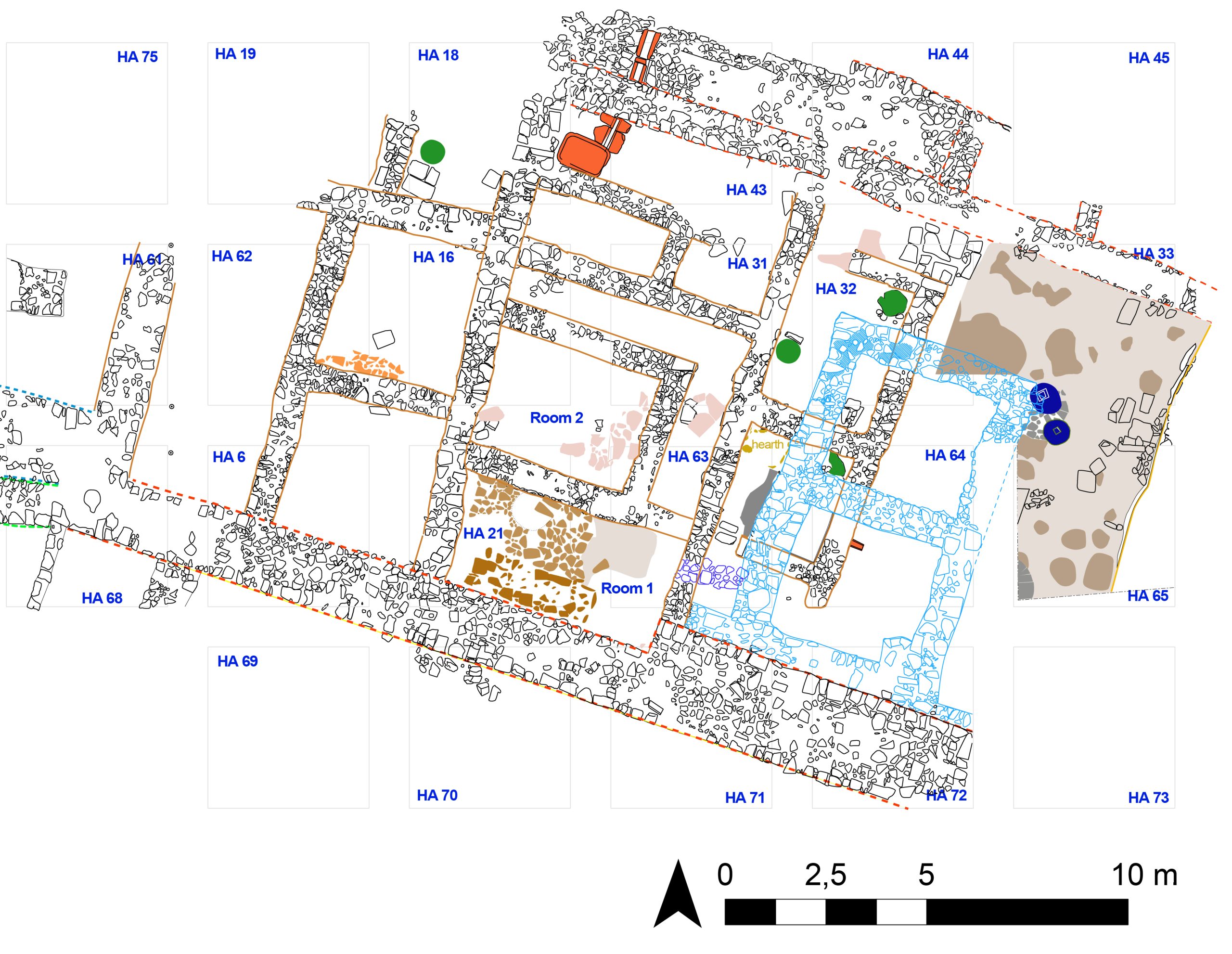
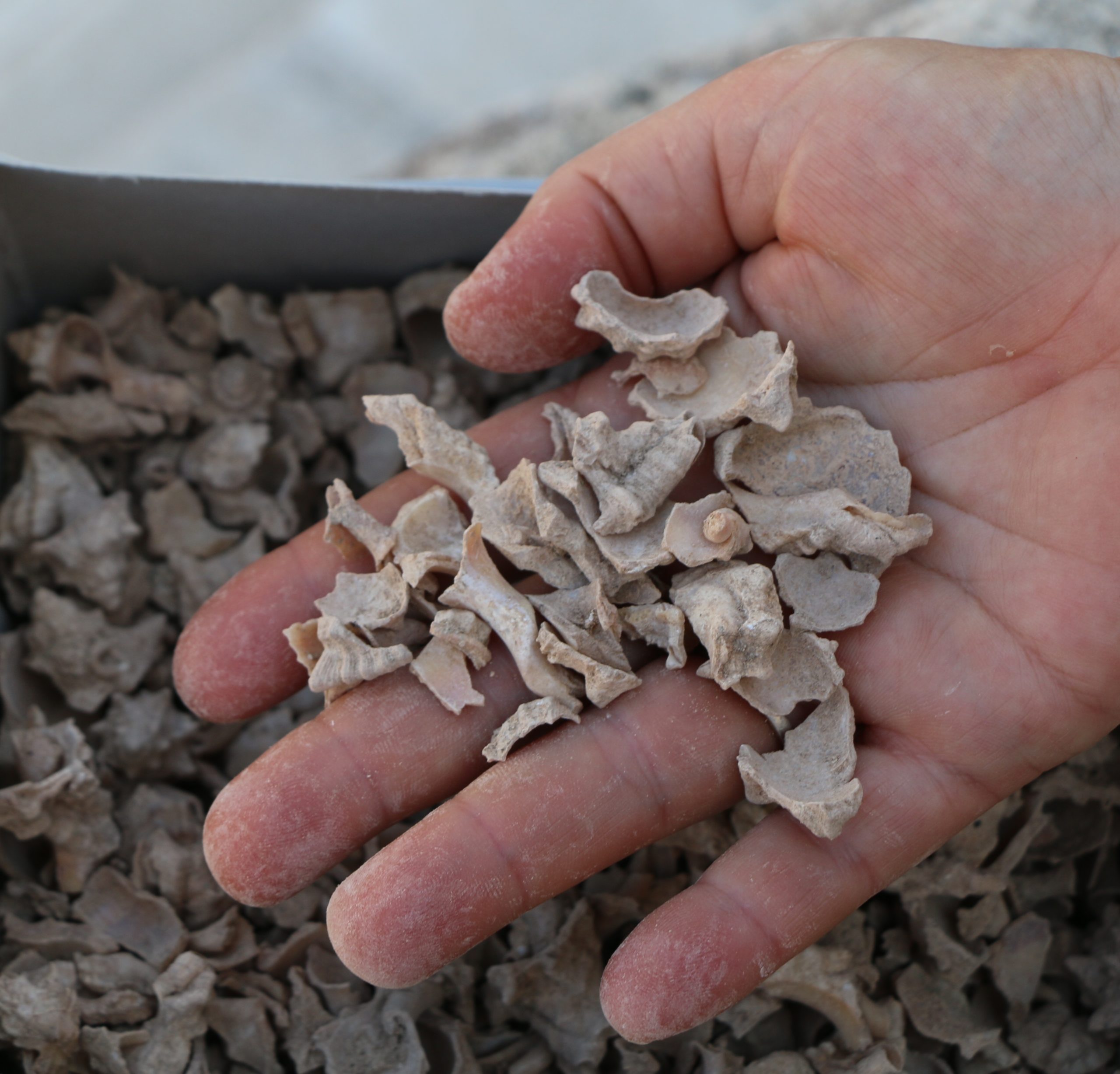
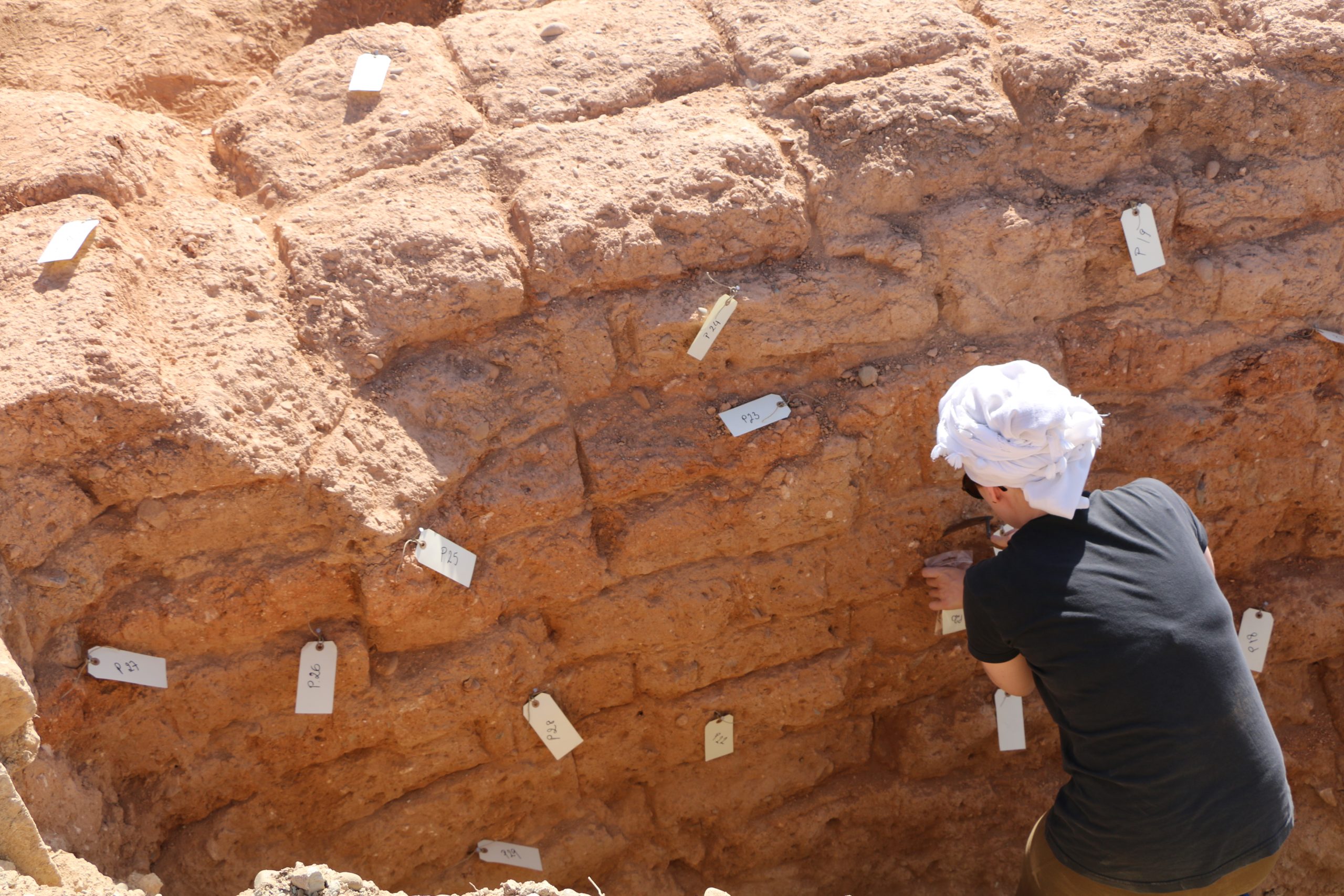
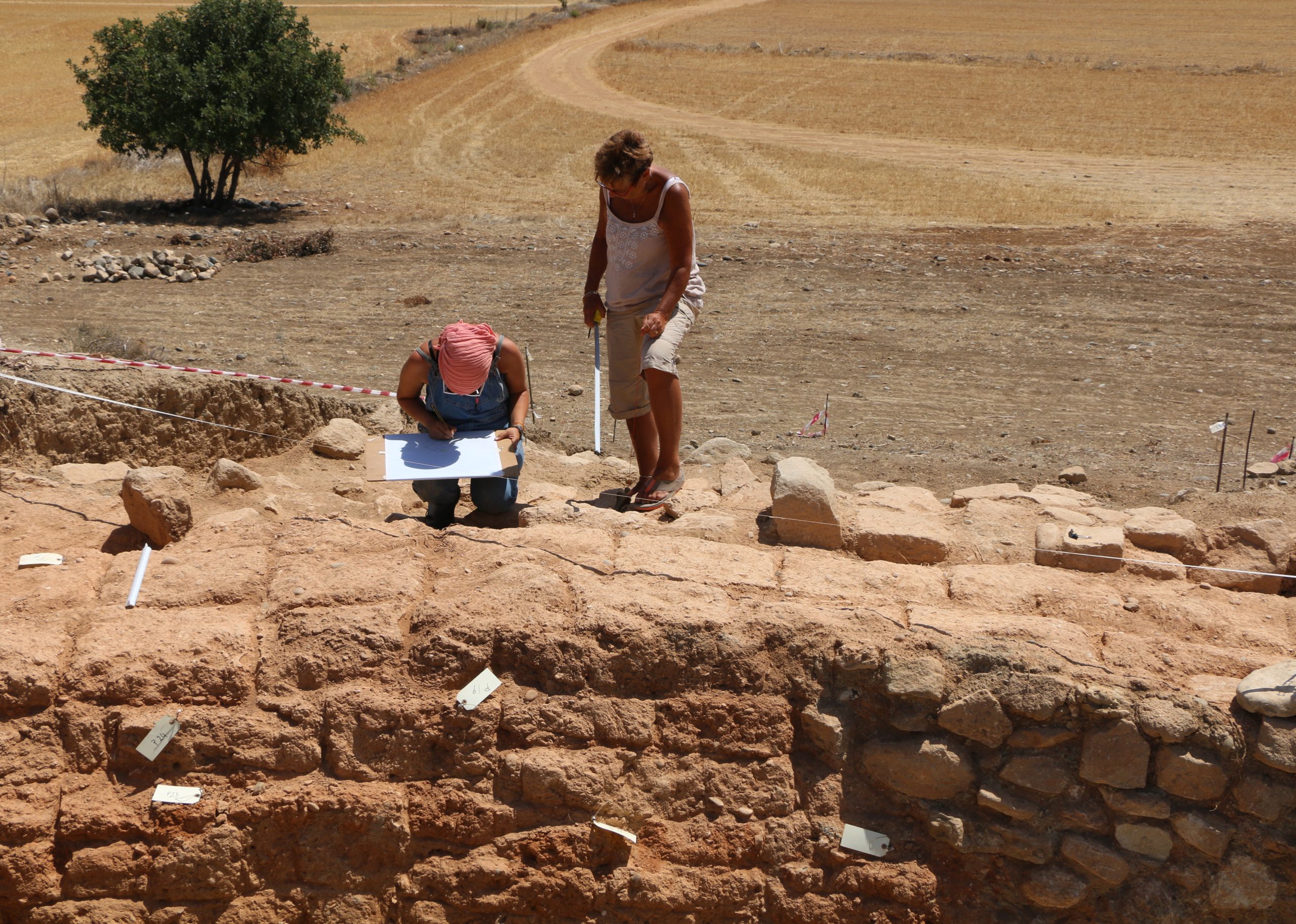
As of this year, field methods have been modified in order to ensure the collection and state-of-the-art analyses of sensitive palaeo-environment data from the workrooms and industrial units sealed under collapsed walls and roof materials. This new approach has been successfully initiated thanks to the effective collaboration developed with the specialized Wiener Laboratory of the American School of Classical Studies in Athens. Samples were taken for micro-morphological studies, and mudbrick, wall plasters, phytolith and starch analyses, while the students were trained in the selection process of bio-data by palaeo-botanist Dr Anayia Sarpaki and anthracologist Dr Maria Ntinou.
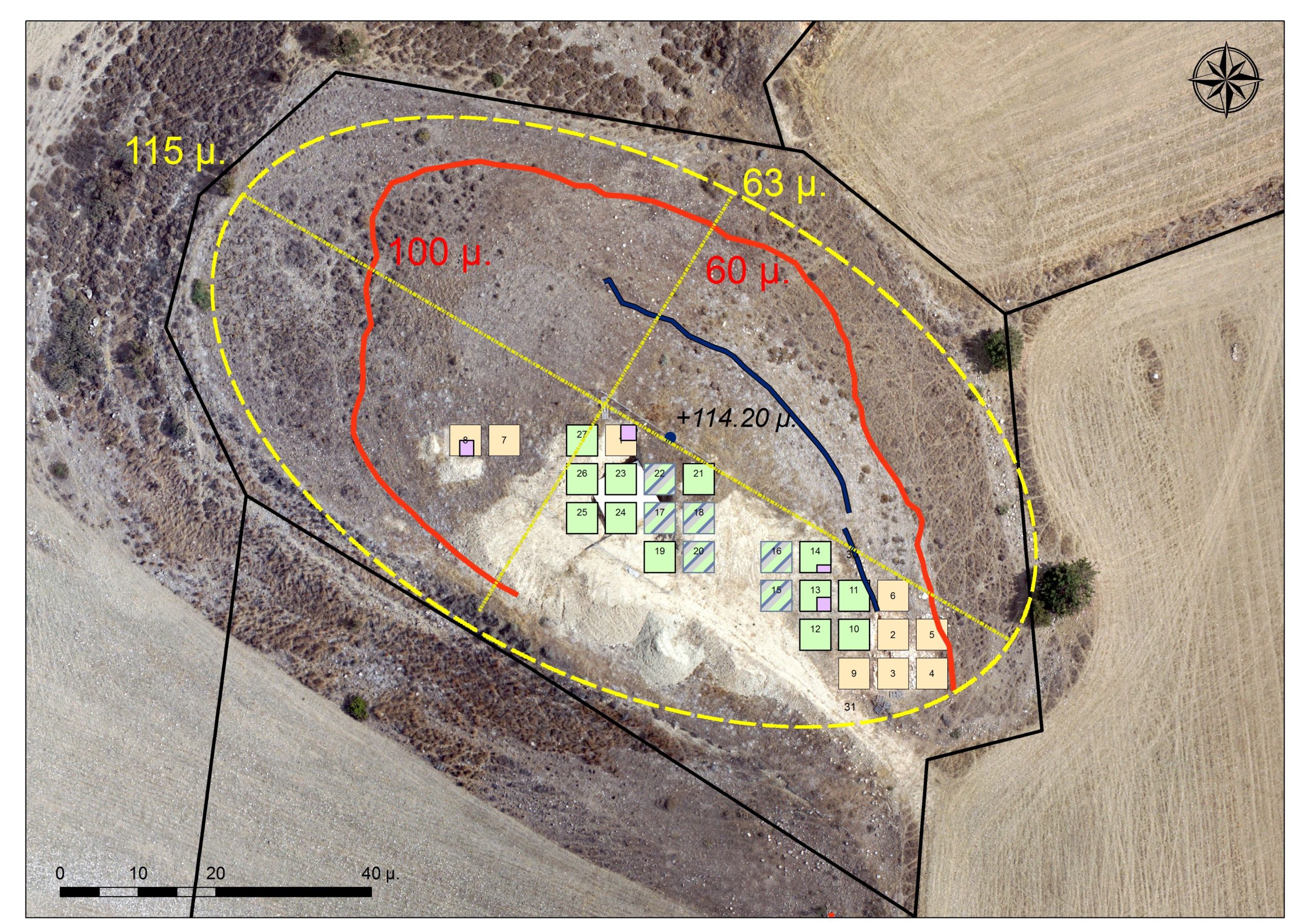
In 2012, geological and archaeological investigations conducted in the context of the Palaepaphos project confirmed that the Laona mound (Fig. 5), situated 75m north of the Hadjiabdullah complex, is a man-made tumulus of significant dimensions (100x60m.). Its summit rises to 114.20m. above sea level (almost 10m. above the natural hillock) (Fig. 6). The tumulus is a mortuary monument built in order to preserve the memory of renowned individuals, but it is extremely rare in ancient Cyprus. This and its unusual construction with thick horizontal layers of marl alternating with layers of red soil, make the Laona tumulus a special if not unique monument in the Cypriot landscape. Contrary to the red soil, which could be collected from the surrounding surfaces, marl had to be quarried from its geological environment, and then transported (probably, by means of carts) to where the mound was raised. It has been estimated that the construction of the tumulus required 9.888 cubic m. of marl and red soil. The ceramic material collected from the red soil layers allows us to suggest that the tumulus was erected in the 3rd century BC. It is, therefore, likely that this labour demanding monument, was related to the political program of the Ptolemies. Ptolemy Soter had taken over Cyprus at the start of the 3rd century BC and had proceeded to eliminate the island's autonomous city-kingdoms.
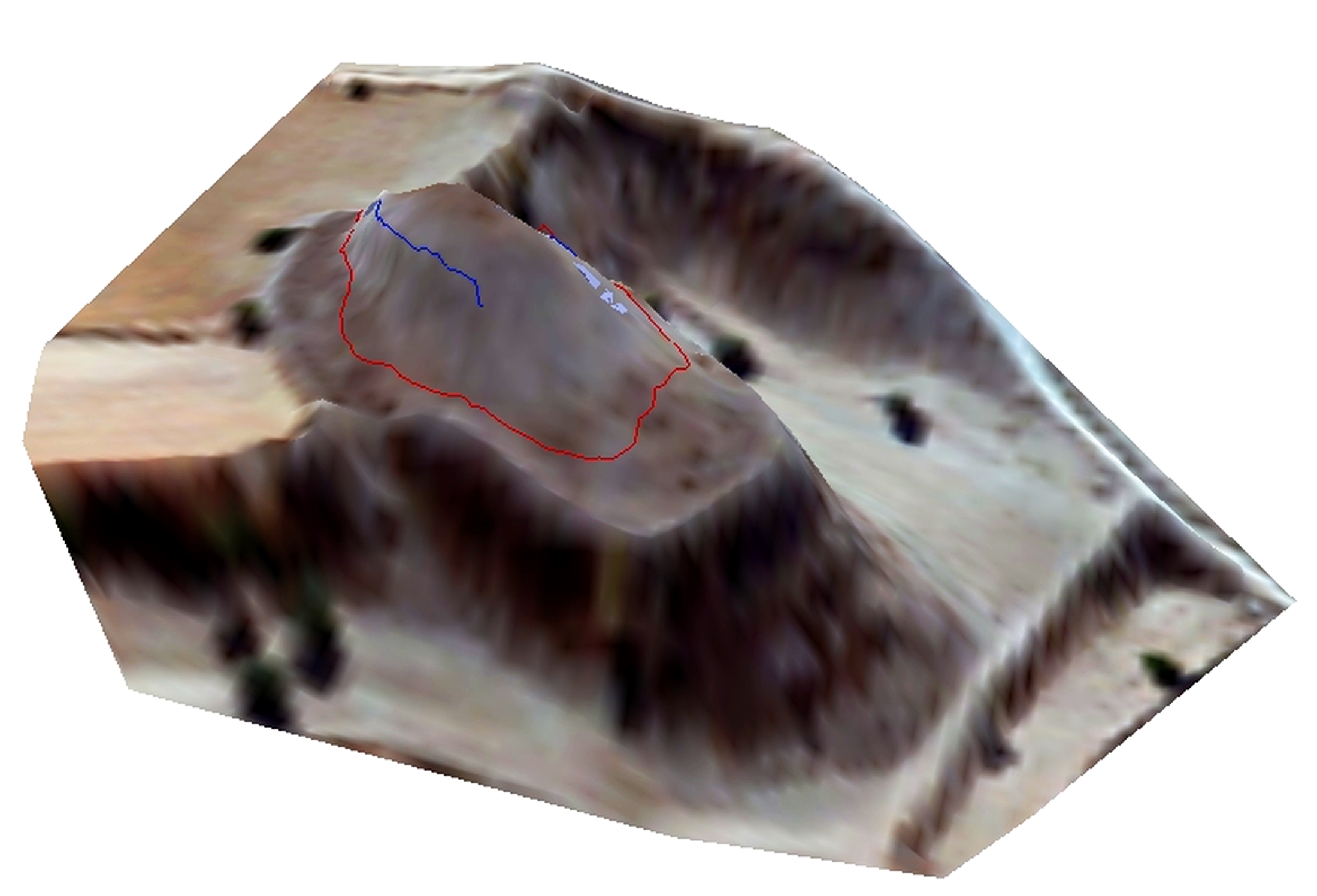
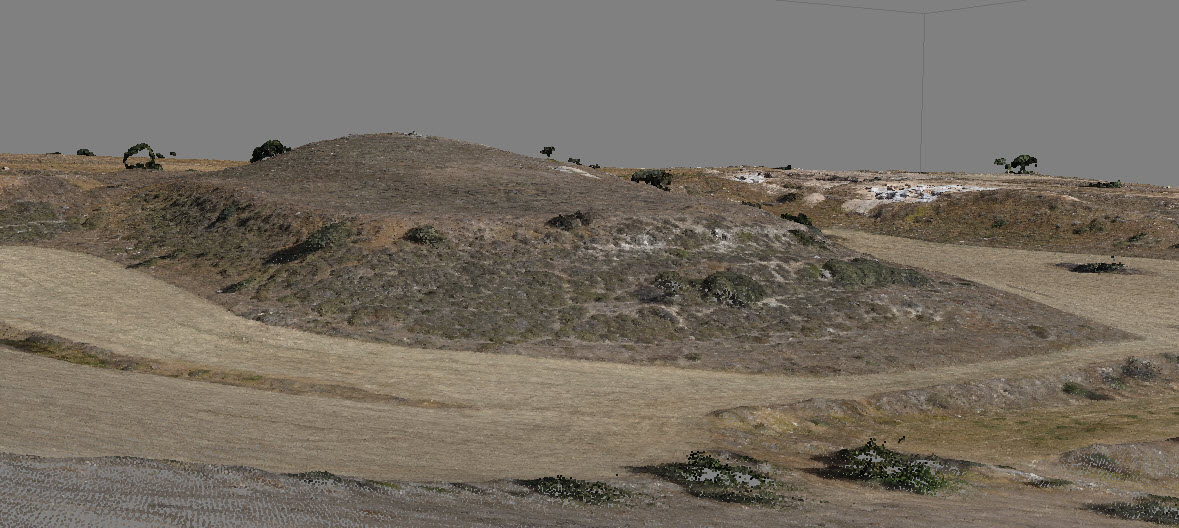
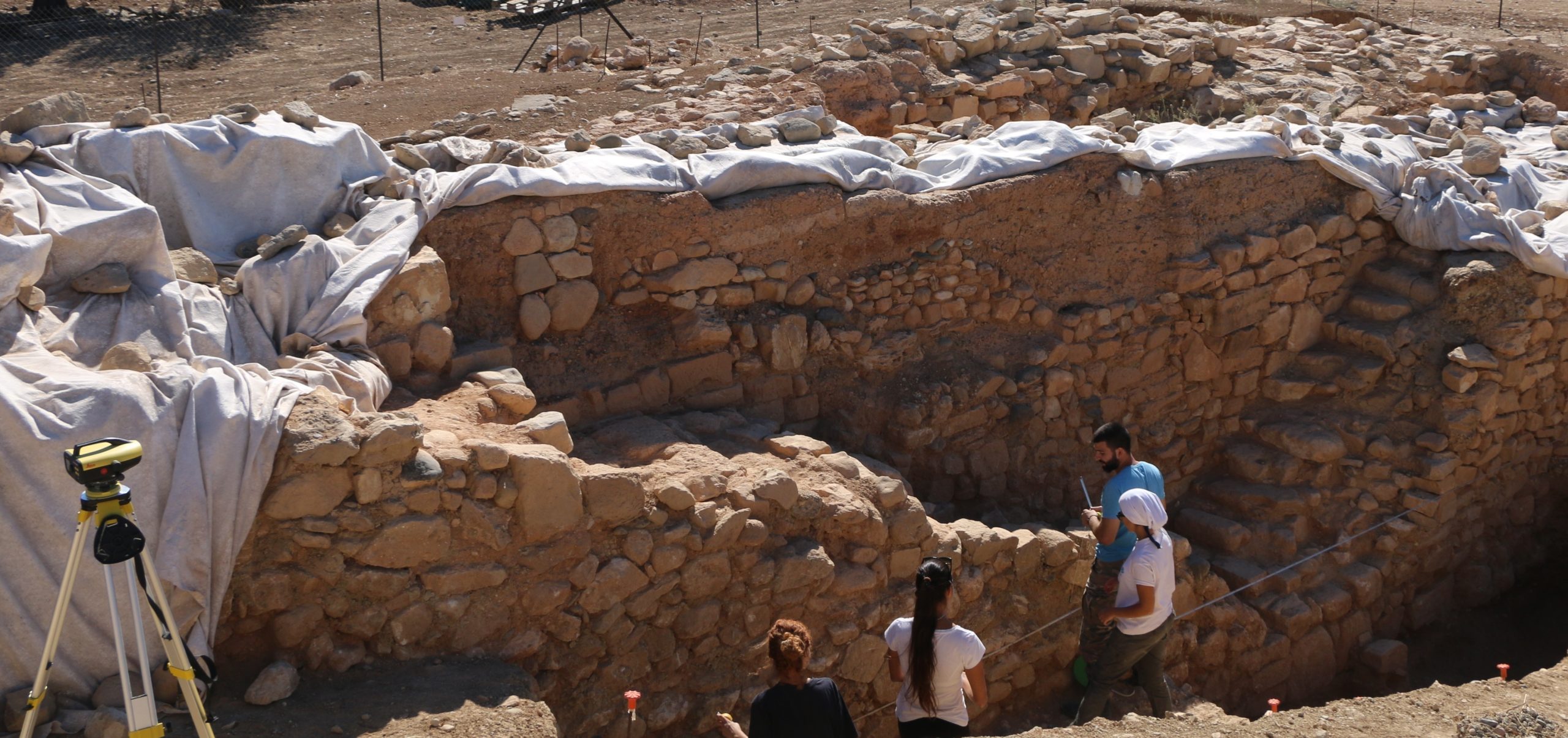
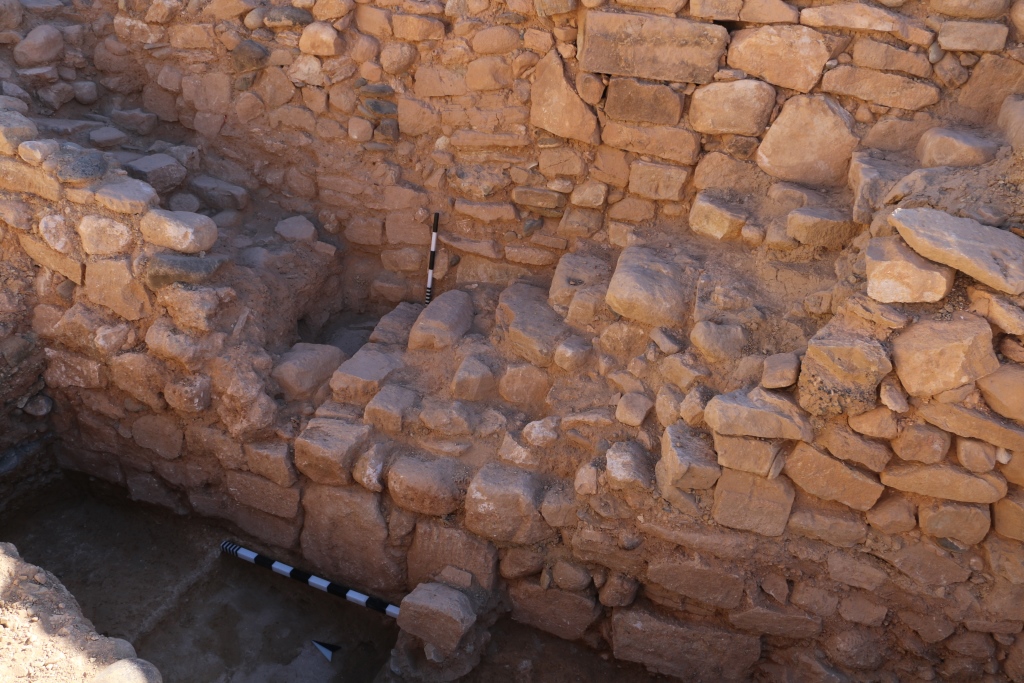
Investigations carried out in the SE quarter of the mound revealed (Fig. 7) a much older monument that had been preserved under the layers of marl. It is a rampart running north-south, so far excavated to a length of 42.5m. Two staircases facing each other, whose state of preservation is so far unpanelled, must have been leading to towers (Fig. 8).
Τeam 2016
| Maria Iacovou Artemis Georgiou Stella Diakou Jacopo Tabolli Skevi Christodoulou Athos Agapiou Anna Georgiadou Maria Hadjigavriel Christiana Christodoulou Fotini Constantinou Elisavet Ilieva Zenonas Socratous Raphael Charalambous Maria Rousou Raphael Evzonas Varvara Stivarou Andria Efthymiou Savvina Hadjipanteli Konrad Matyjewicz Maria Stefani Elisavet Stefani Panagiotis Theodoulou Christoforos Christofi Eleni Soteriou Panagiota Hatzoglou Maria Hadjigavriel Andrea Oratiou Maria Pari Ioanna Panteli Chrystalla Agathonos Maria Charalambous Phivos Poullos Judith Gatt Chistianna Kelepeshi Stella Vasileiou Maria Vasileiou Panagiota Andreou Pavel Evdokimov Beatrice Pestarino | Director, Professor in Prehistoric and Protohistoric Archaeology, Univ. of Cyprus Assistant Director, Pottery specialist Hadjiabdullah Fieldwork Assistant Director Laona Fieldwork Assistant Director Fieldwork Assistant Director Topographer, Technological University of Cyprus Pottery Specialist Undergraduate Student, University of Cyprus Undergraduate Student, University of Cyprus Undergraduate Student, University of Cyprus Undergraduate Student, University of Cyprus Undergraduate Student, University of Cyprus Undergraduate Student, University of Cyprus Undergraduate Student, University of Cyprus Undergraduate Student, University of Cyprus Undergraduate Student, University of Cyprus Undergraduate Student, University of Cyprus Undergraduate Student, University of Cyprus Postgraduate student, Uniwersytet Adama Mickiewicz, Poland Undergraduate Student, University of Cyprus Undergraduate Student, University of Cyprus Undergraduate Student, University of Cyprus Undergraduate Student, University of Cyprus Undergraduate Student, University of Cyprus Undergraduate Student, University of Cyprus Undergraduate Student, University of Cyprus Undergraduate Student, University of Cyprus Undergraduate Student, University of Cyprus Undergraduate Student, University of Cyprus Undergraduate Student, University of Cyprus Undergraduate Student, University of Cyprus Undergraduate Student, University of Cyprus Undergraduate Student, University of Cyprus Undergraduate Student, University of Cyprus Undergraduate Student, University of Cyprus Undergraduate Student, University of Cyprus Undergraduate Student, University of Cyprus Moscow State Boarding-School "Intellectual" Postgraduate Student, University College London |
Last Updated on July 11, 2024