
Archaeological Investigations at Palaepaphos 2002-2003
The "Archaeological Atlas of Palaepaphos"
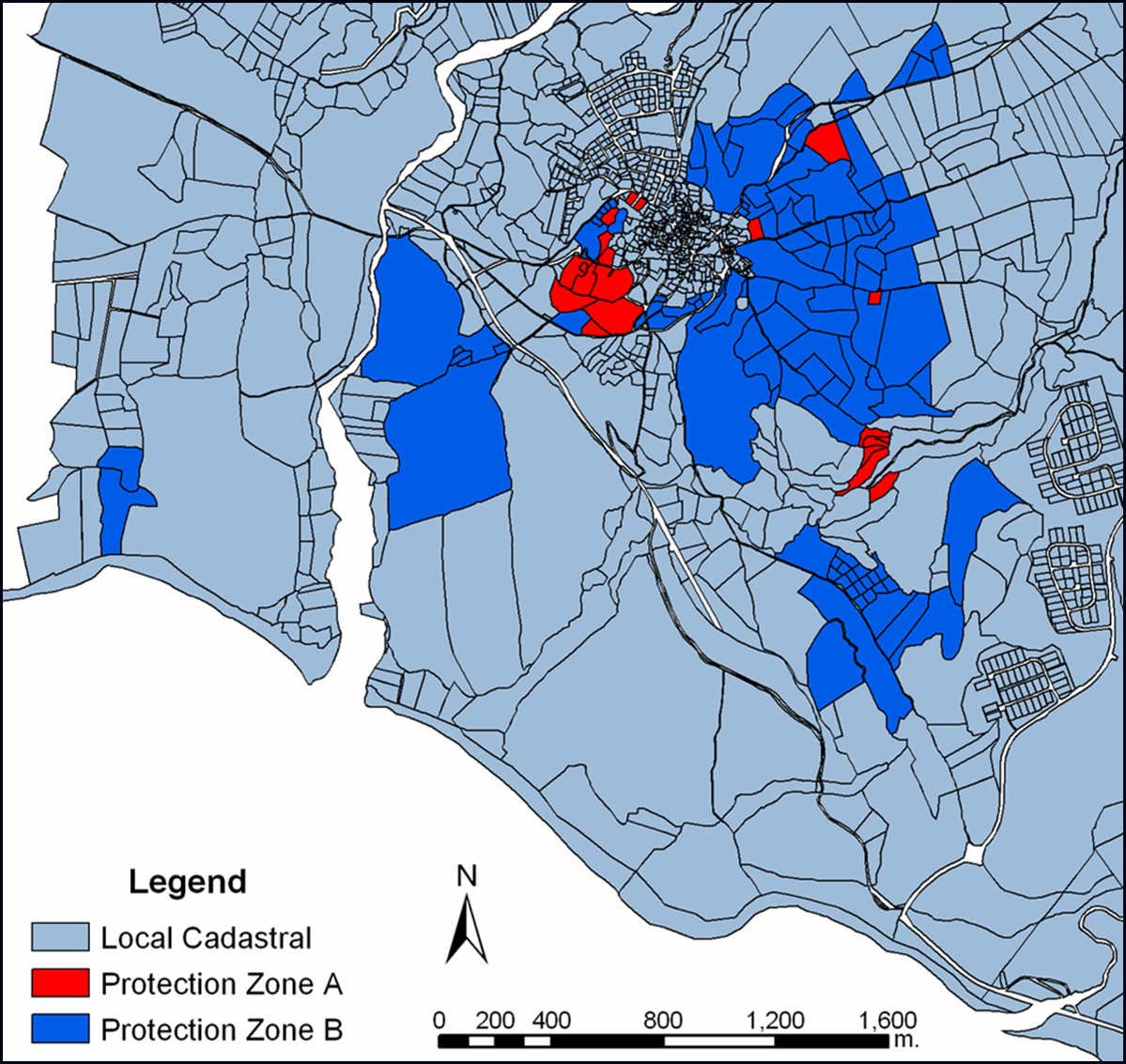
In 2002, the Archaeological Research Unit, of the University of Cyprus, in association with the Institute for Mediterranean Studies for the Foundation Research and Technology (FORTH) in Crete initiated a digitization programme for the recording of all archaeological evidence in the area of Kouklia. The project was largely benefited by the contribution of the Department of Lands and Surveys and the Department of Geological Survey of the Republic of Cyprus, who, among others, provided the orthophotomap of the Kouklia area and information regarding the geology of the area.
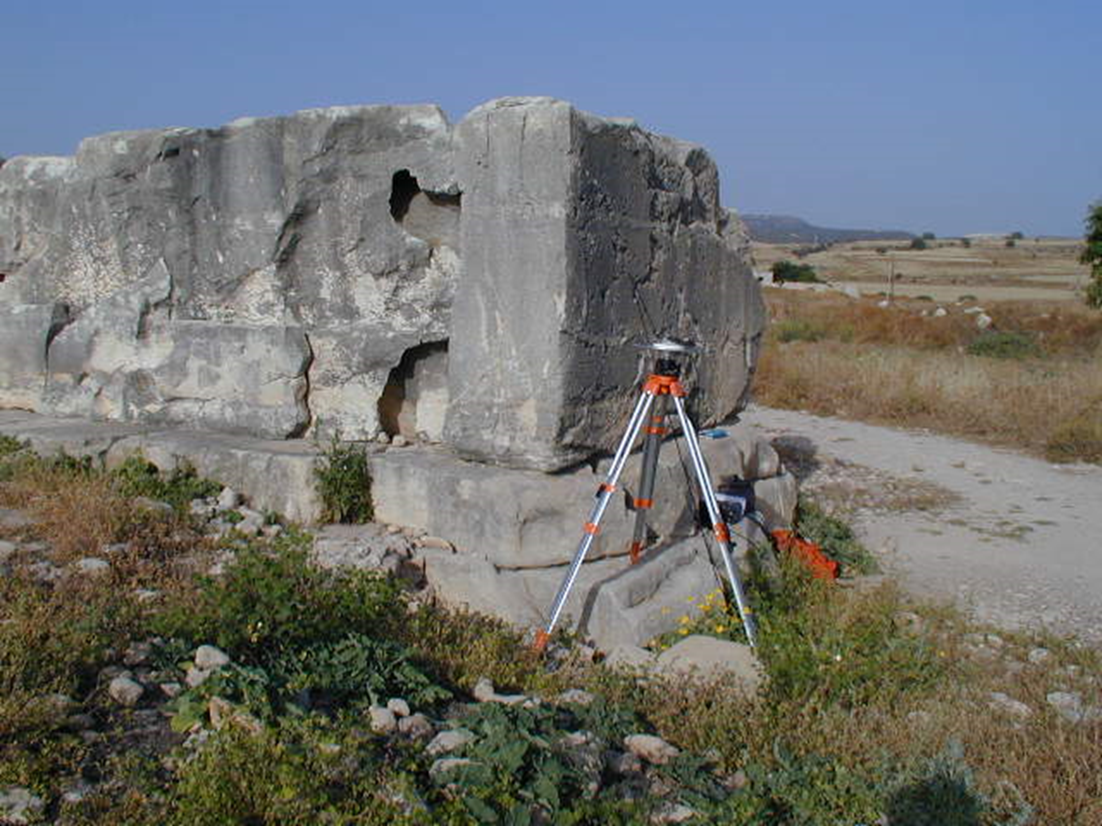
The process of digitizing both visible (i.e. architectural remains) and non-visible (i.e. tombs) archaeological data was based on the application of Global Positioning System (GPS). This electronic platform, known as "The Archaeological Atlas of Palaepaphos" brings together archaeological information spanning over 5sq. m. around the Sanctuary at Palaepaphos.
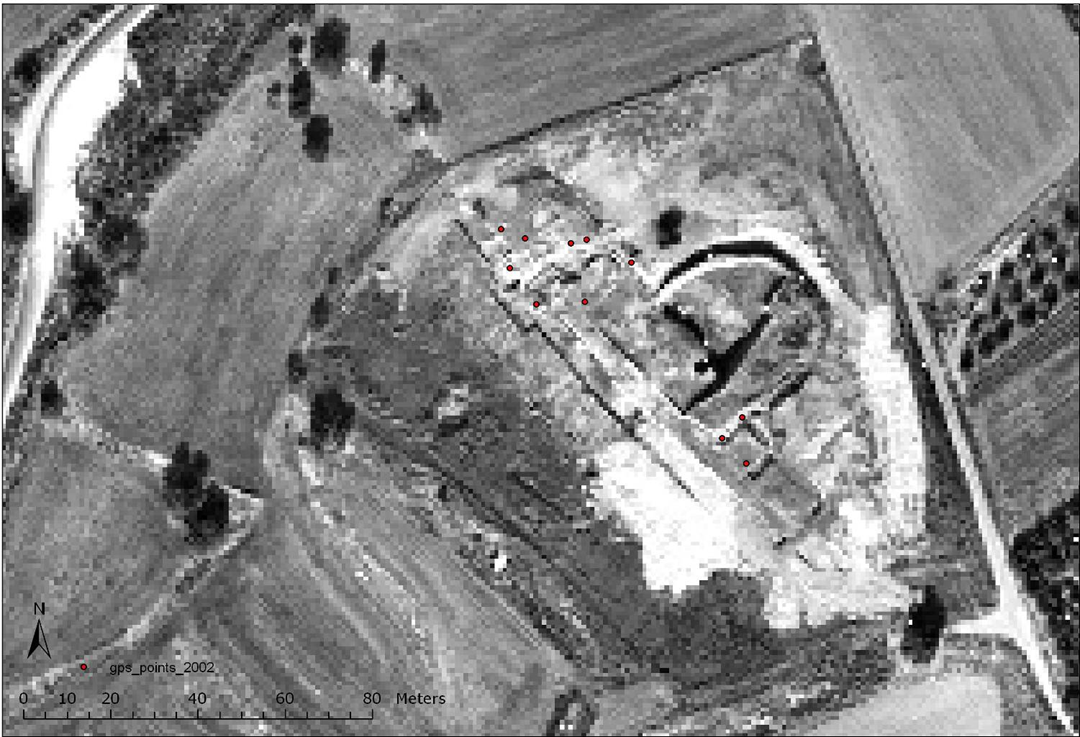
A preliminary GPS topographic survey was carried out in 2002 aiming towards the topographic registration of the surface monuments of the site. The topographic survey was carried out using 2 Ashtech CGRS GPS receivers (Z12) in stop-and-go mode measuring at the local geodetic system (WGS '84 / Local Tranverse Mercator System) of the Department of Land and Surveys, Republic of Cyprus. Based on the mapping of the surface monuments and the geomorphological settings of the site, a geophysical survey module was planned focusing on specific sections of the site.
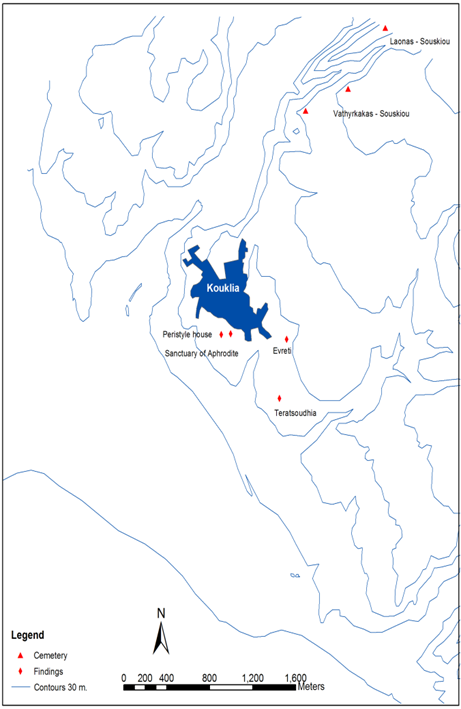
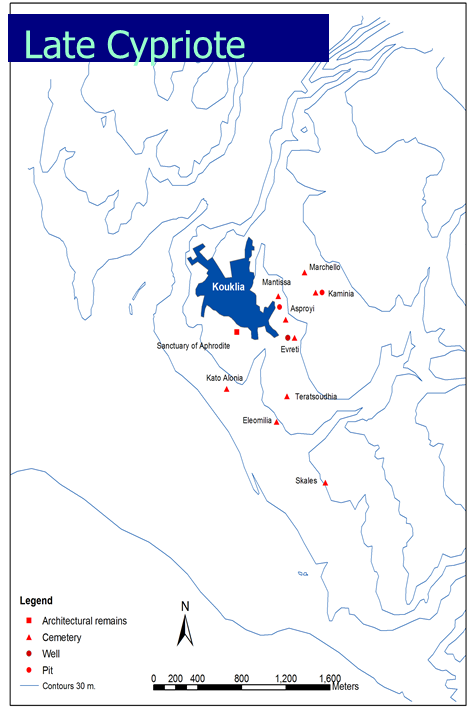

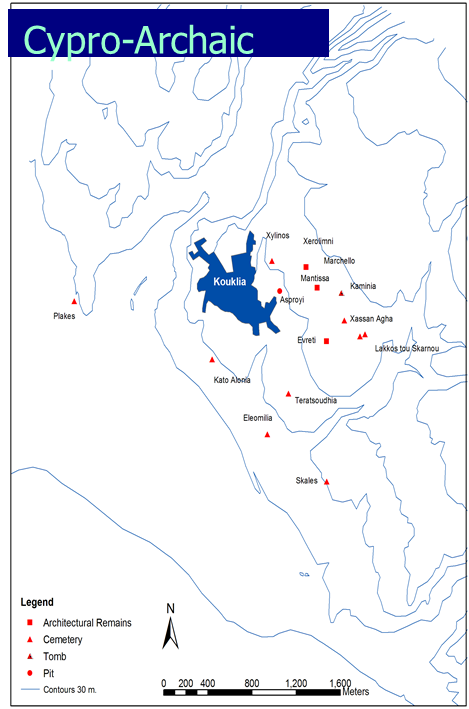
Archaeological Atlas of Palaepaphos: Digital recording of sites at a diachronic level.


Last Updated on July 8, 2024