
The research programme "Archaeological Investigations of the Extra-Urban and Urban Landscape in Eastern Mediterranean centres: A case-study at Palaepaphos, Cyprus", known by the acronym ARIEL, is a four-year (2013-2017) Marie Sklodowska Curie Career Integration Grant, hosted at the Archaeological Research Unit (ARU) (Department of History and Archaeology) of the University of Cyprus (UCY). The scientist in charge is Dr. Artemis Georgiou and the contact point at the Host institution is Professor Maria Iacovou.

ARIEL's chronological focus is defined as the Bronze Age (ca. 2400-1050 BCE), the period that coincides with the emergence and consolidation of the earliest political forms on the island. The Late Cypriot territorial polities, such as Palaepaphos, attained economic prosperity via the exploitation of the island's cupriferous zones and the trading of the final product with other Mediterranean centres. Palaepaphos' accumulation of wealth is epitomized by the construction of a megalithic Sanctuary at the opening of the 12th century BCE, which endured down to end of Late Antiquity. Despite the richness of archaeological data unearthed, the urban and extra-urban structures characterizing the Paphian polity have only recently been addressed.
Research objectives of ARIEL and preliminary results
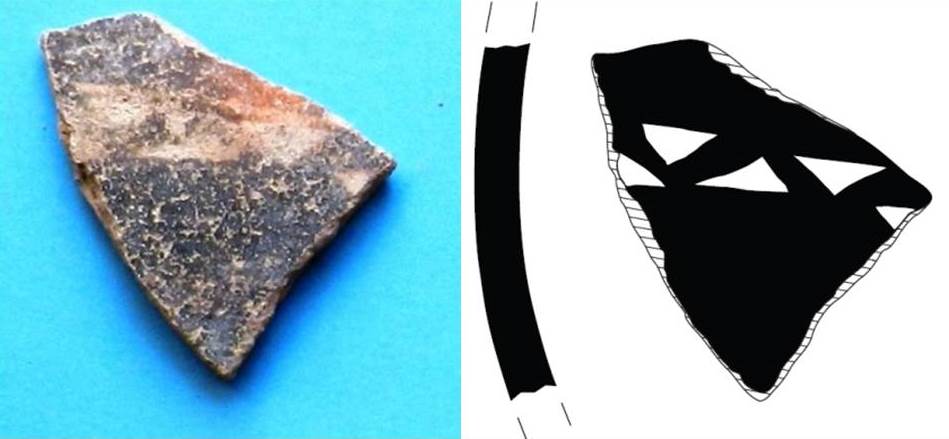

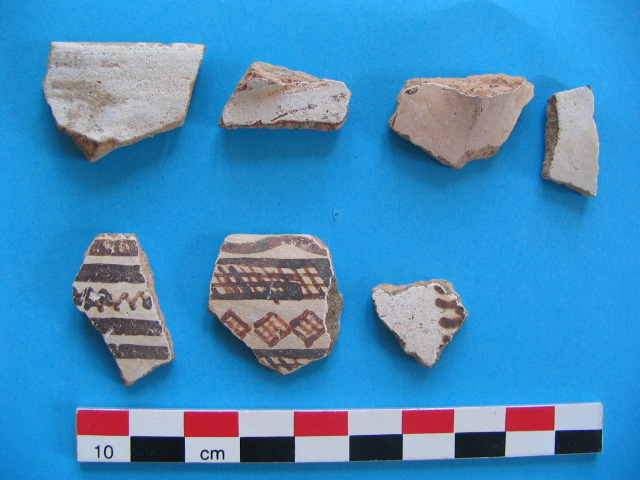
The establishment of the settlement at Palaepaphos early in the Late Bronze Age coincides with the dramatic transformation of the settlement pattern in the wider area of Paphos, evident by the abandonment of the majority of the Middle Cypriot III-Late Cypriot IA settlements. This picture is conveyed mostly by means of surface surveys in western Cyprus. It is thus very important that within the framework of the research programme ARIEL we were able to examine ceramic and other remains from tombs excavated at the sites of Kedares and Anarita by the Department of Antiquities, and Timi-Sentoutzin tou Rafti, excavated by the British Mission in the 1950s. These mortuary contexts do not continue beyond the Late Cypriot IA period, thus confirming the impression gained by surface survey projects.

Objective 2. "Urban and extra-urban structures"
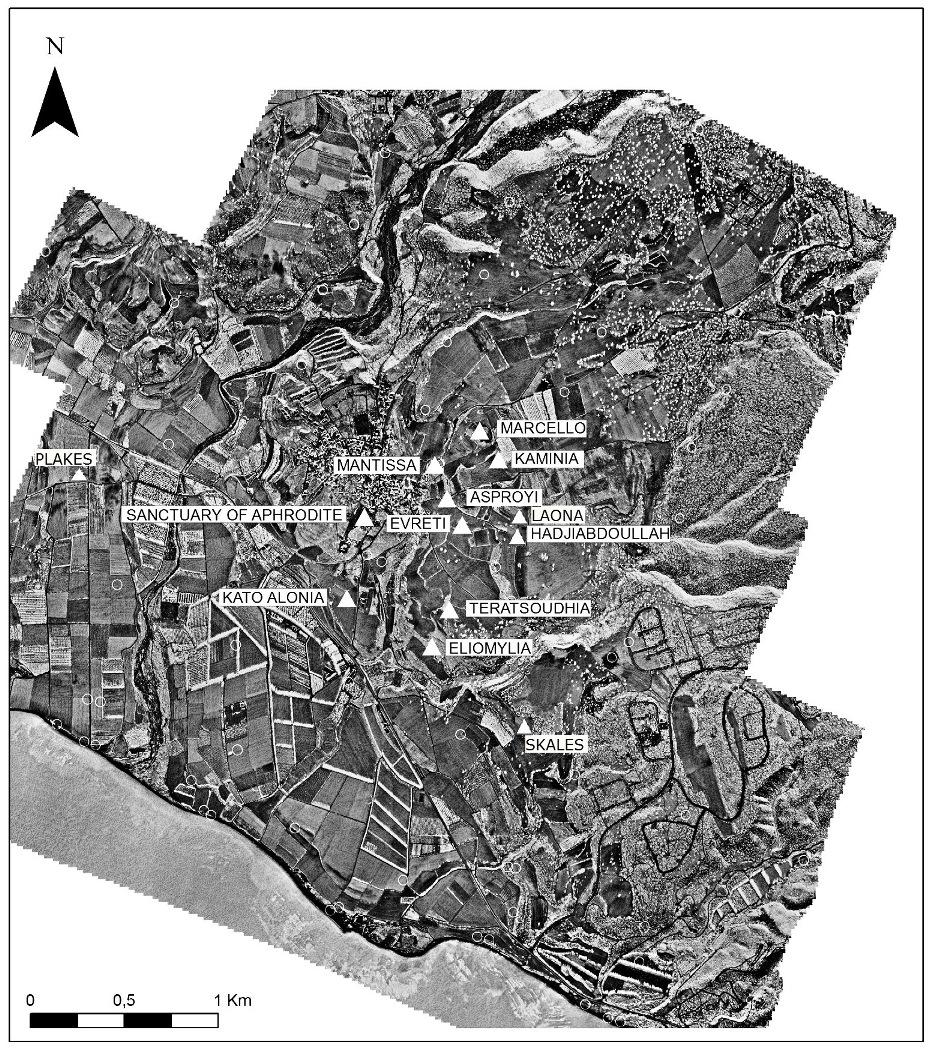
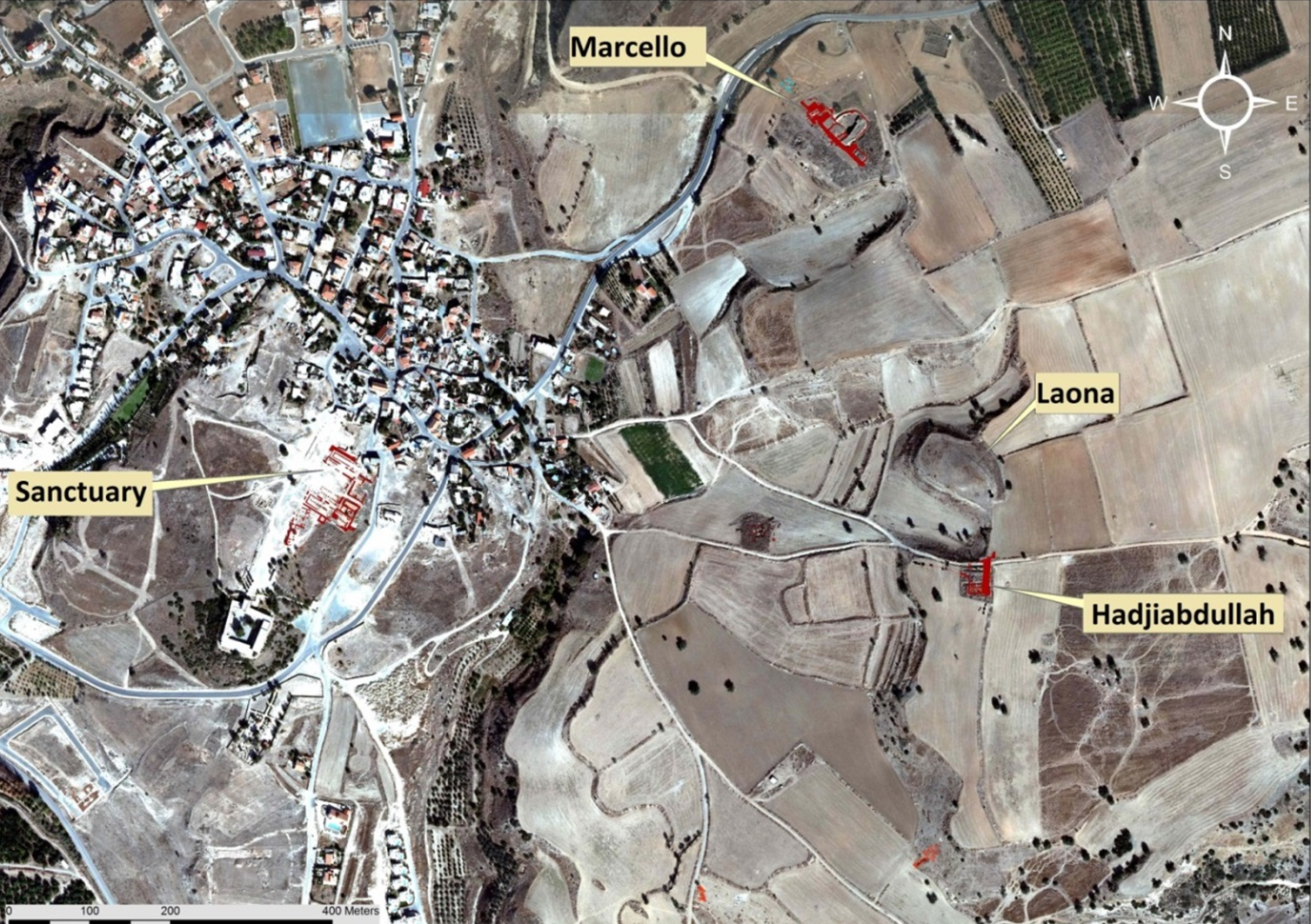
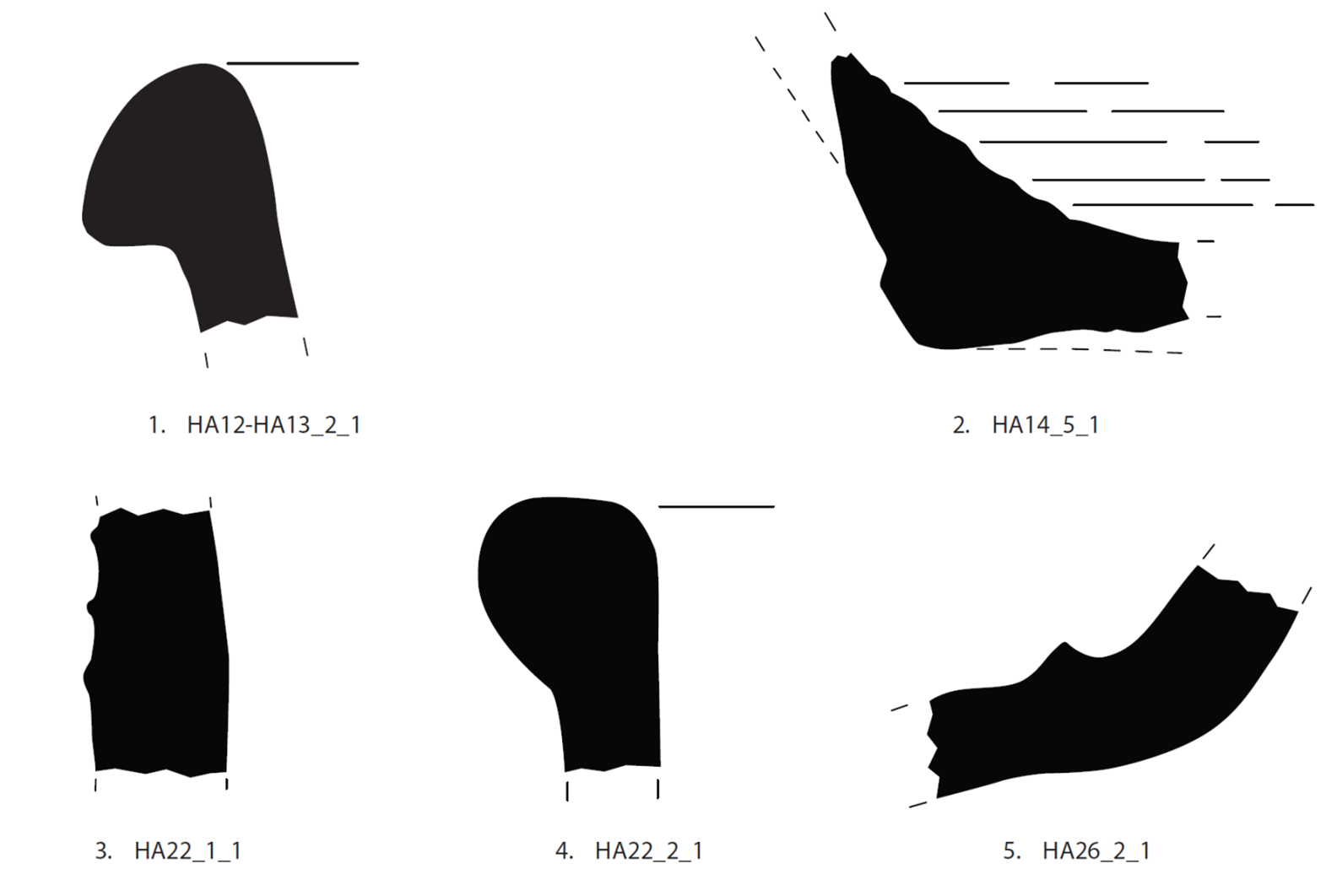
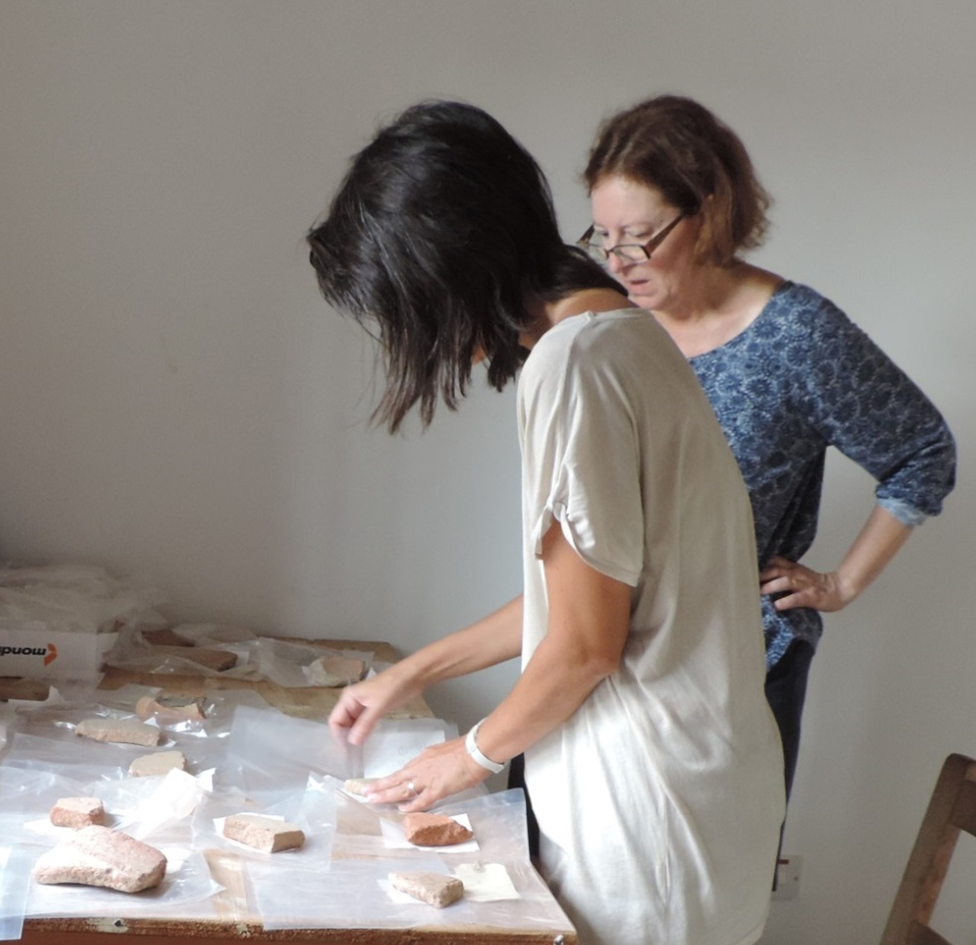
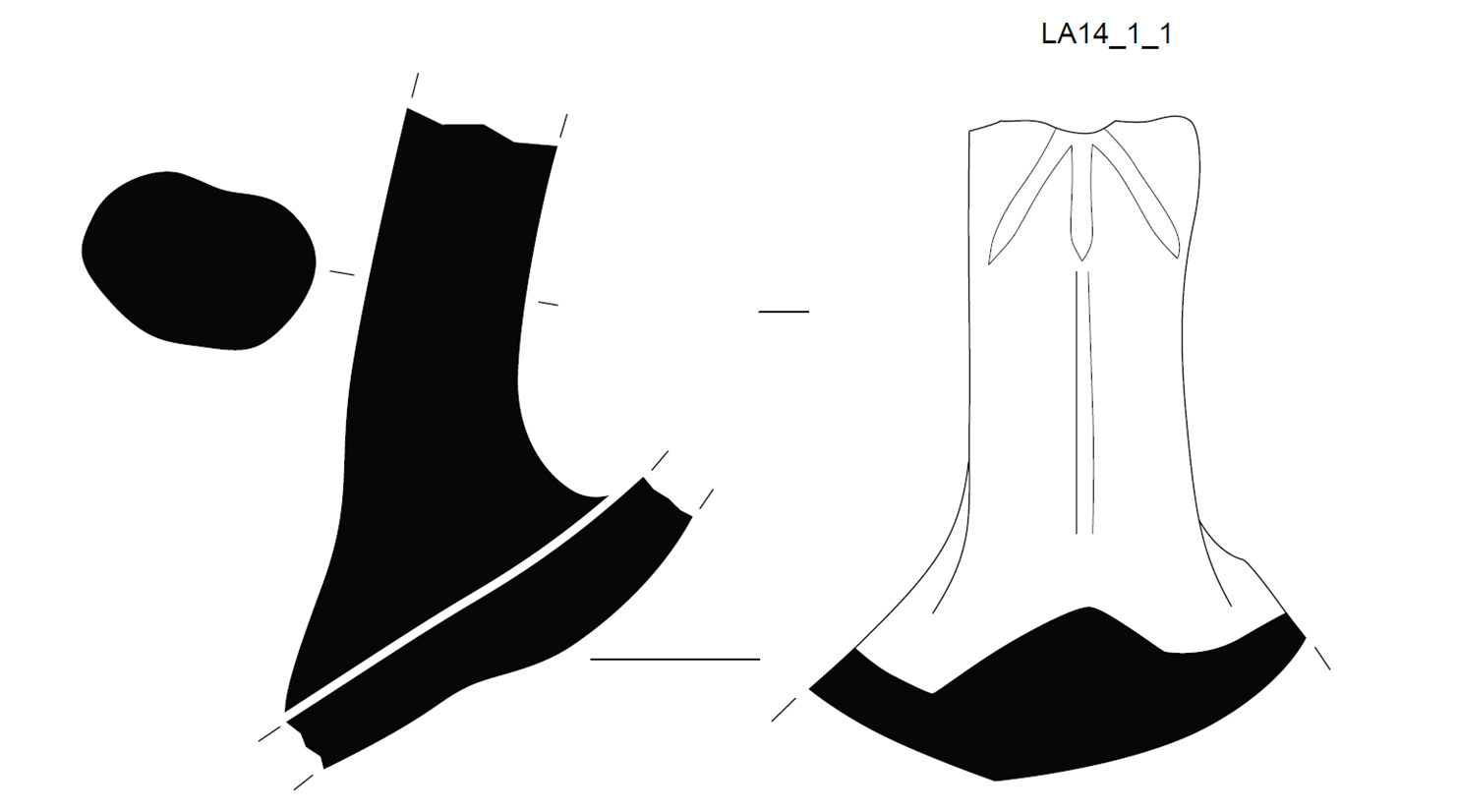
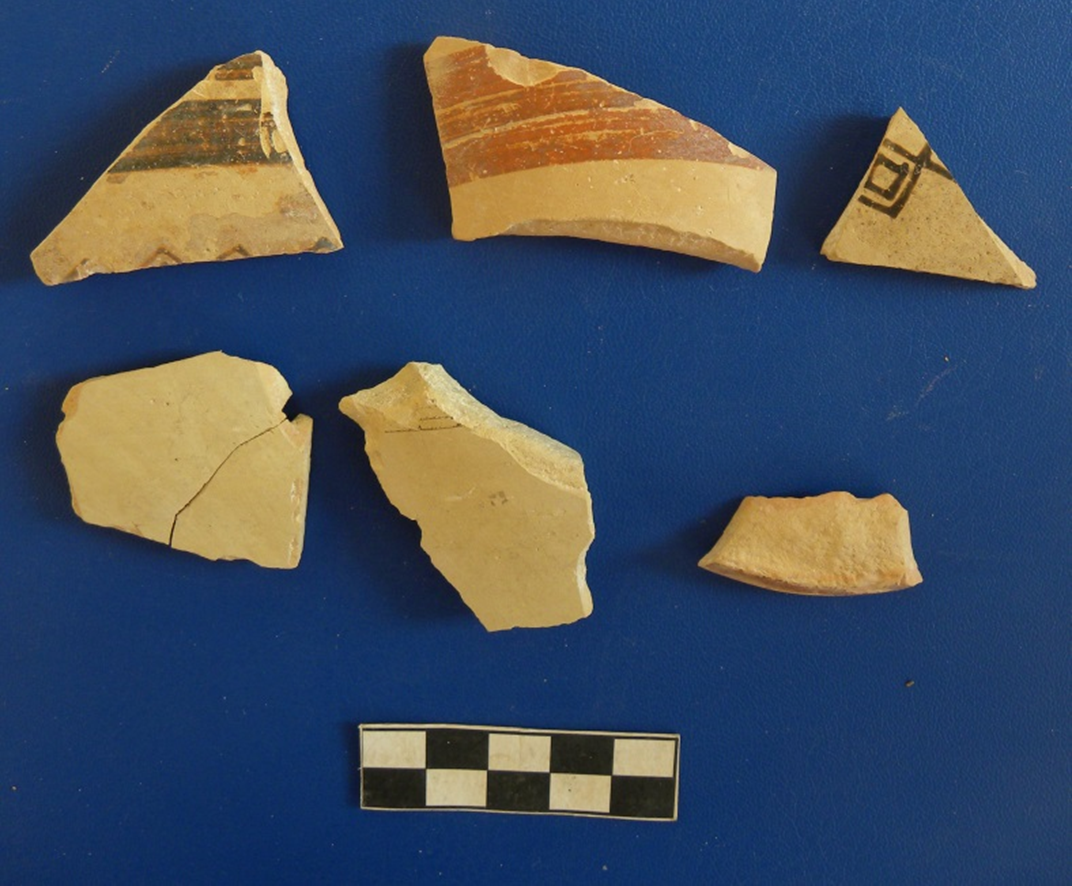
Addressing the second objective of ARIEL we have taken into account the new data brought to light by the ongoing targeted excavations undertaken by the University of Cyprus at Kouklia, as well as the fellow's specialized material studies. The preliminary results of this task indicate how the urban centre of the Paphian polity consisted of distinct nuclei that accommodated a variety of functions. It was also possible to infer that Palaepaphos followed the Late Cypriot mortuary custom of establishing tombs within residential areas, judging by the co-existence of mortuary and secular material. Our investigations further determined the idiosyncratic regional character of the Paphian ceramic industry in terms of both the storage and the fineware pottery wares. The excavation of significant quantities of large storage and utilitarian vessels assigned to the Late Bronze Age from Hadjiabdullah and Laona indicate how both areas accommodated residential activities.
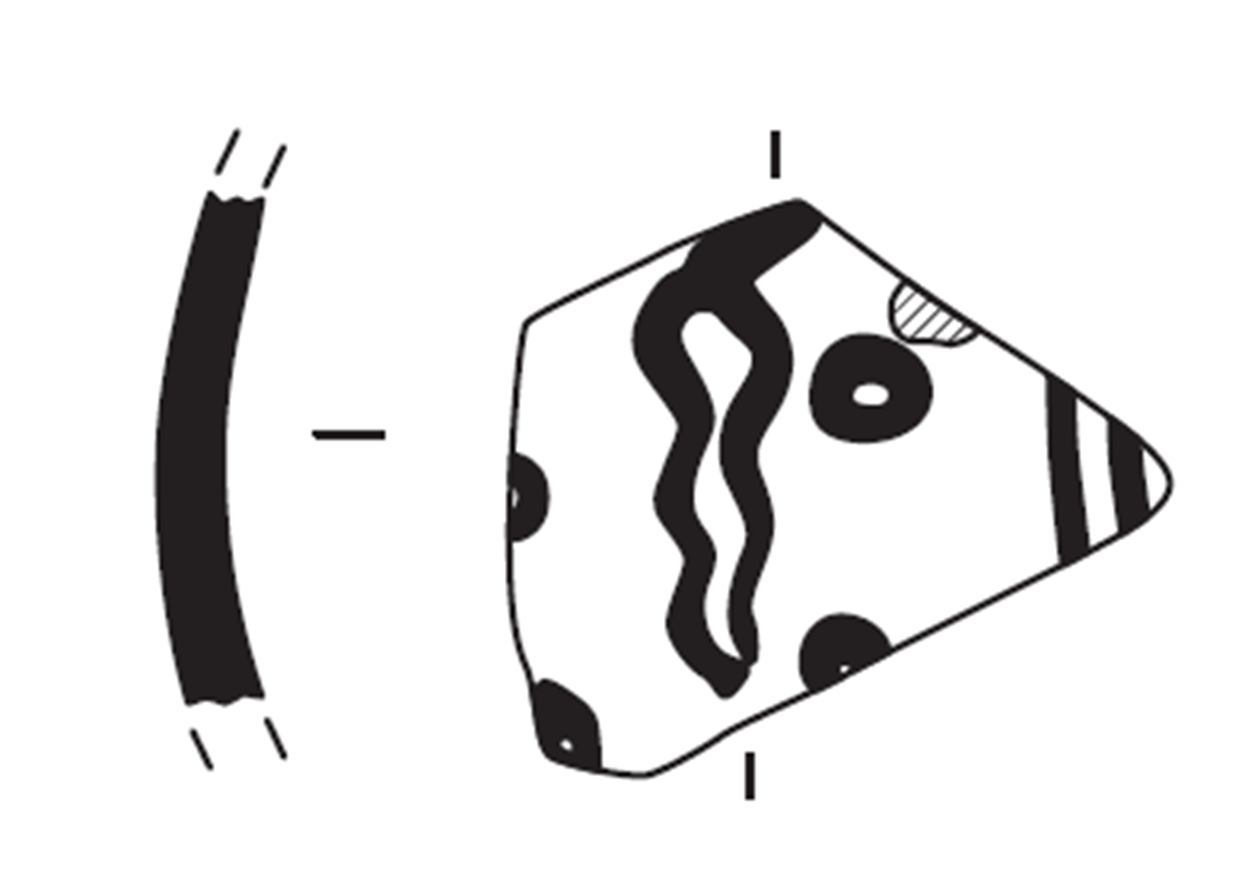
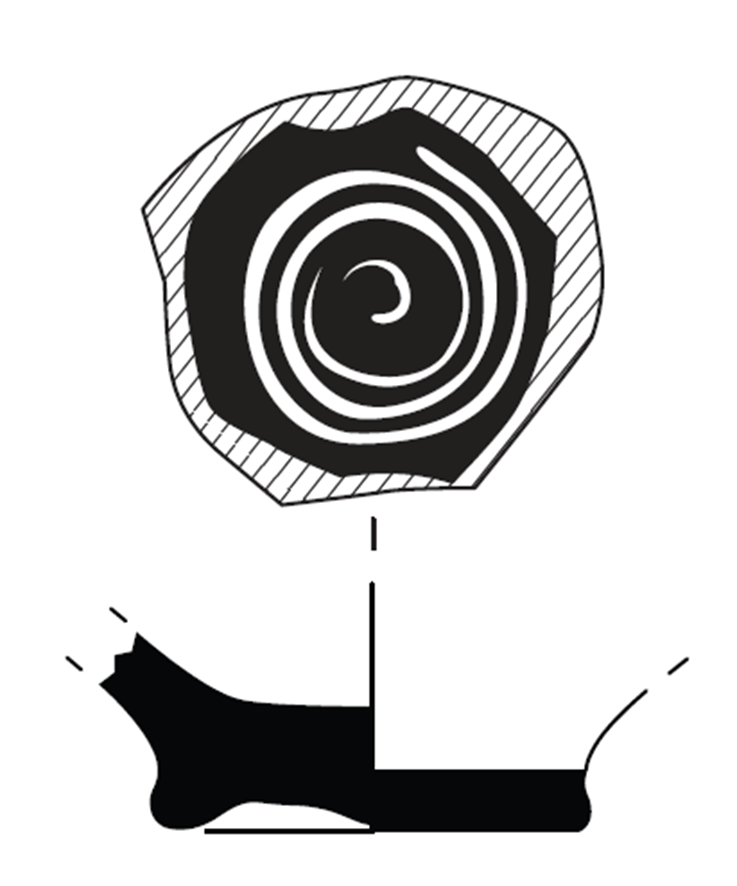
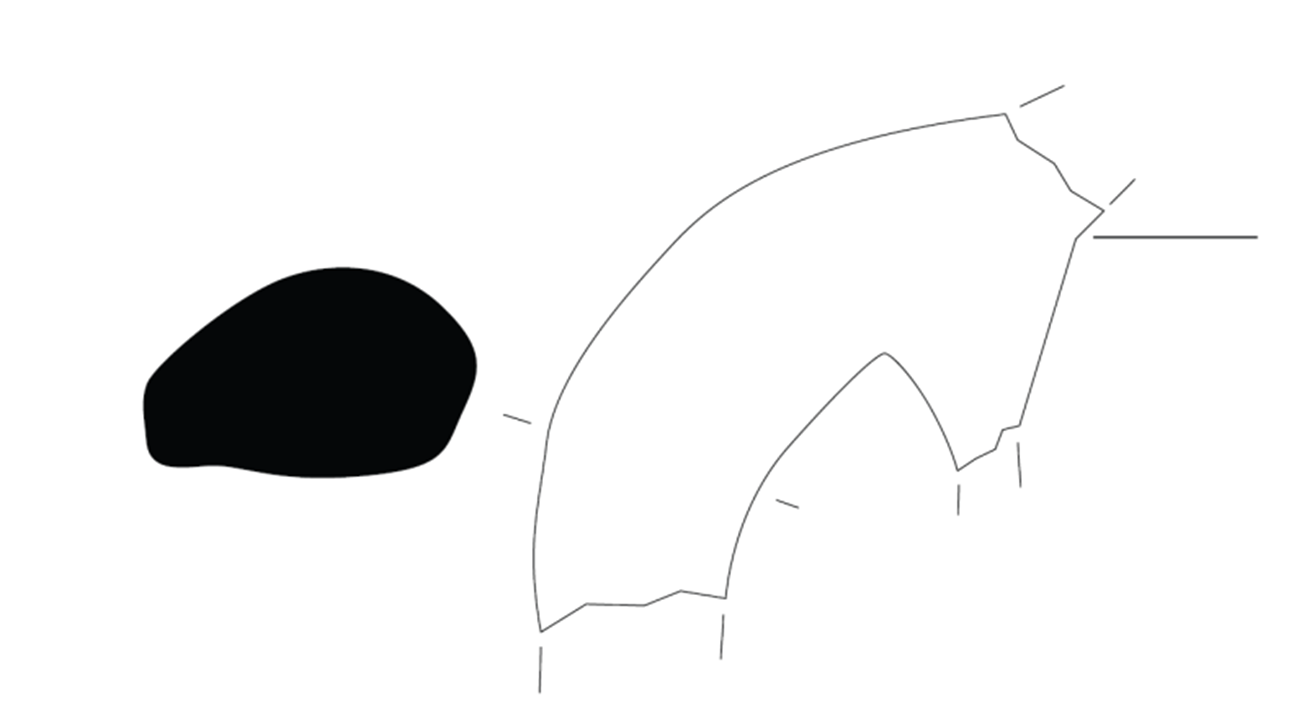
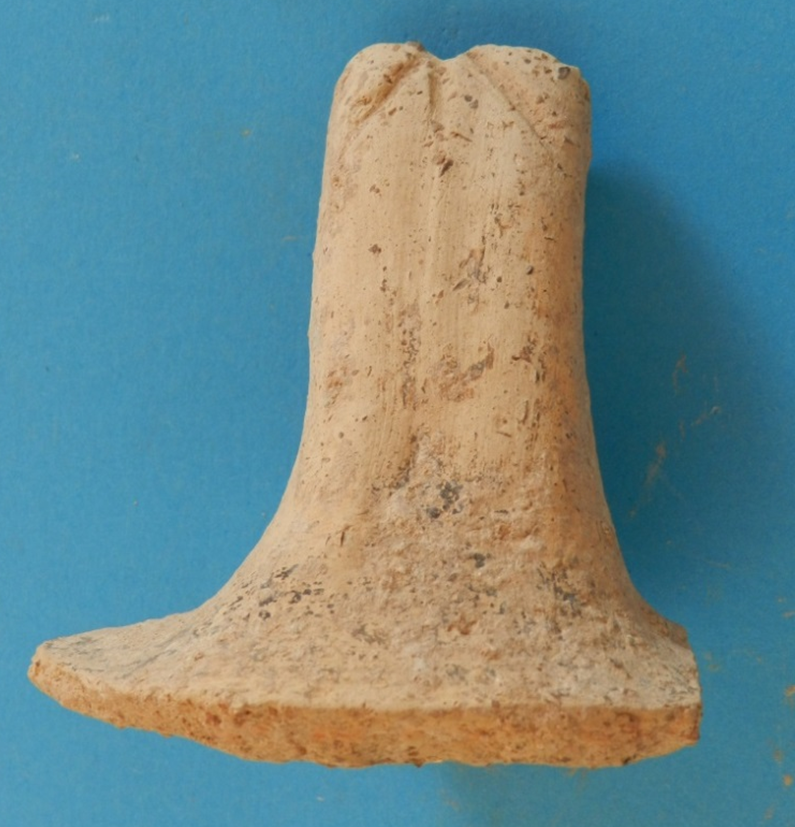
During the excavations conducted by PULP on top of the Hadjiabdullah terrace, considerable quantities of Late Bronze Age ceramic material were unearthed, particularly to the south of the large monumental structure excavated in the 1950s by the British Mission. The assemblage consisted of large storage and utilitarian vessels, including numerous short- and long-necked pithoi, some of them massive in size, suggesting that the corpus represents the remains of disturbed settlement strata. The site of Hadjiabdullah has also produced a handle fragment of a small pithos bearing the impressed frieze of a cylinder seal, depicting two fighting bulls and a human figure trying to separate them. This iconography is paralleled in comparable examples from other Late Cypriot sites, and has been linked with the control and the administration of agricultural produce.


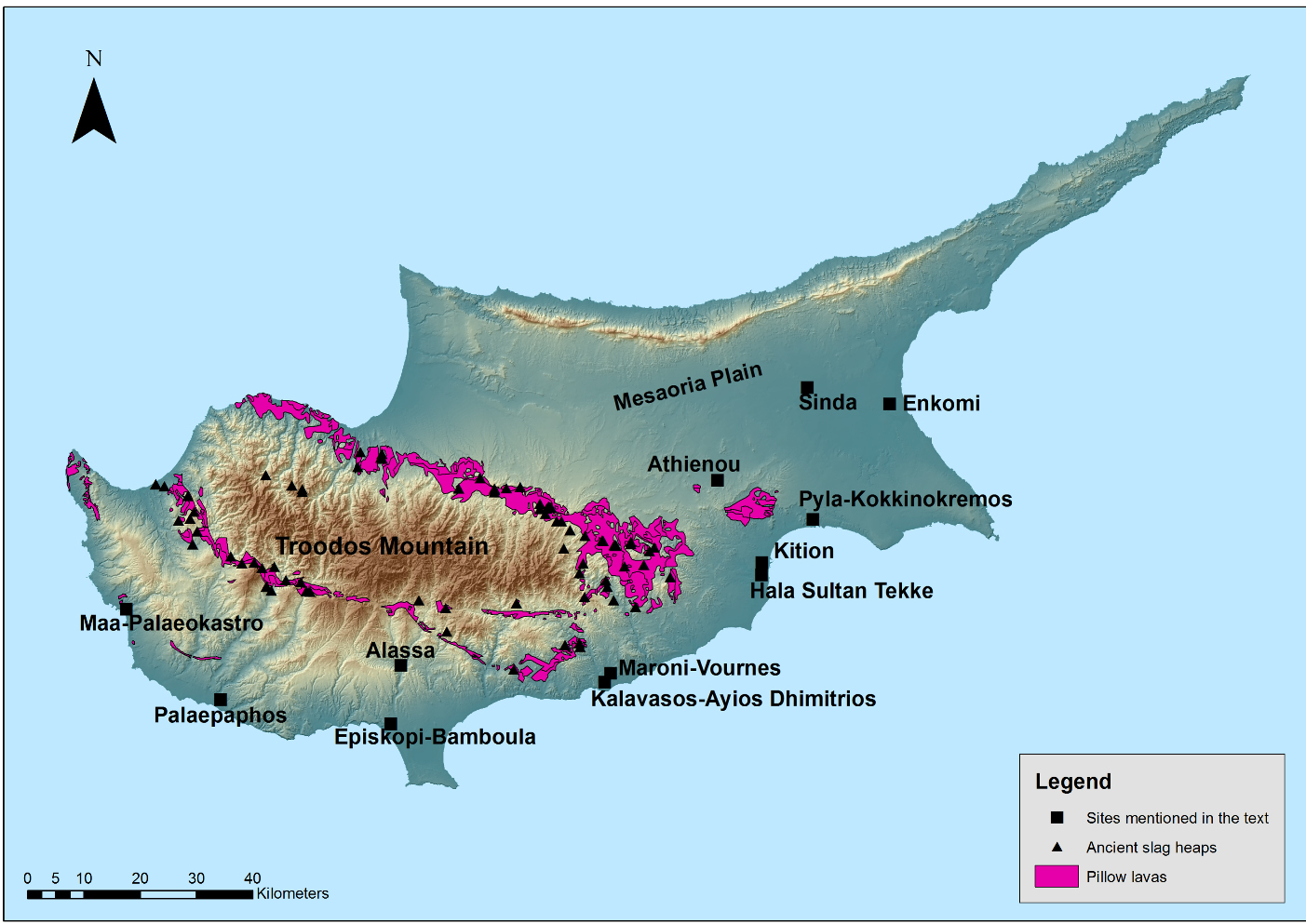
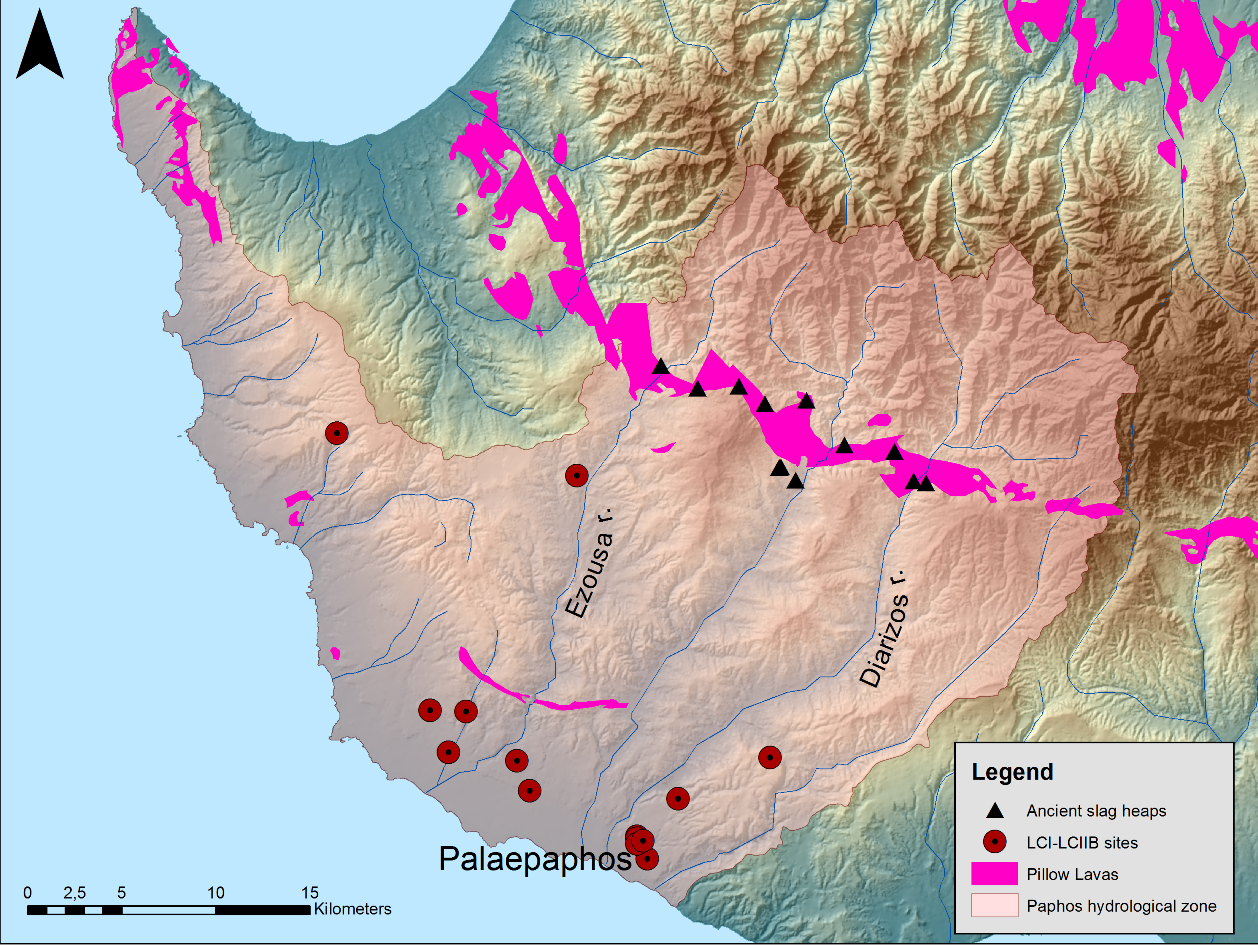
In addition to our investigations at the urban centre of the Paphian polity, we initiated fieldwork research within the Paphos Forest. Our ventures seek to map and record the distribution of massive slag heaps, which correspond to the residue of large-scale copper processing. We anticipate confirming the productivity of the copper deposits within the Paphos region, and additionally explicating the role of the area's copper resources in the development of the politically autonomous and economically flourishing territorial state of Paphos. In order to provide a secure chronological dating, we collected carbon samples that were sent to SUERC Laboratory in Scotland. Within the scope of this task, we collaborate with Dr. Zomenia Zomeni (Senior Geological Officer, Cyprus Department of Geological Survey) who provides her expertise and knowhow on geological cupriferous formations techniques, and Dr. Athos Agapiou (Cyprus University of Technology) who undertakes the topographical surveying, geolocation and volumentric calculation of the slag heaps.
Objective 3. "Intra- and extra-insular connections"
Timeframe: between the 33rd to the 46th month of the programme



Objective 4. "Cultural heritage management and public outreach" (Work Package 6)
Timeframe: between the 9th to the 48th month
ARIEL's fourth objective entails the development of a heritage management tool, which will enable and encourage the preservation of the natural and archaeological environment in the area of Palaepaphos. The fieldwork expeditions conducted by the University of Cyprus within the framework of ARIEL have expanded the zones of archaeological interest and have thus safeguarded archaeological remains that were otherwise under imminent threat. What is more, the dissemination of the project's results and other public outreach activities aspire to educate the wider public, and especially the local community of Kouklia, on the value of archaeological research and the need to respect cultural heritage.
ARIEL is grateful to the following people and institutions for their collaboration
of the European Union's Seventh Framework Programme FP7/2007-2013/
under REA grant agreement no. 334271.
Last Updated on July 28, 2024