
The Ten Small Stories in Sanna are the outcome of an effort that began in 2017 within the framework of the project MapCyArS: Mapping Cypriot Arabic speakers: An investigation into linguistic demography and the sociolinguistic profile of Kormakiote Maronites, financed by the Anastasios G. Leventis Foundation at the University of Cyprus and was completed with funding from the University of Cyprus and the Ministry of Education, Sports and Youth. The idea for an illustrated storybook was born out of the need to link both the documentation of Sanna and the Oral Tradition Archive with the process of language revitalization through teaching to the benefit of the young members of the community.
The Small Stories we have chosen do not relate to major historical events. They are slightly edited forms of short narratives that bring to light experiences and events from the daily life in Kormakitis before the Turkish invasion and the forced displacement of the Maronite population. Although not all of them are strictly autobiographical by reference to the narrators, their protagonists are ordinary people from Kormakitis, some of whom are still alive. These protagonists often act as anti-heroes, motivated by pettiness and negative emotions, that push them to adopt behaviors that, in our modern urban societies, might be considered as socially or morally reprehensible. Nevertheless, all of them convey a sense of familiarity and innocence, characteristic of the life in the village many years ago.
The Small Stories were chosen mainly because they seem to have a special function in relation to collective identification and cohesion: they are known to all those who were born and raised in Kormakitis and who tell them when they are amongst themselves, not so that others get to know them, but because others already know them. The repetition of events that everybody already knows indicates that the role of the Small Stories is different. It is a role that reminds and confirms for the knower a kind of inside knowledge about the community, a knowledge that constructs and promotes a certain way of thinking and behaving by creating coherent bonds between the people who share this collective knowledge.
By transferring them to the younger members of the community who were not given the chance to hear the Small Stories in the storytelling networks that emerged on multiple occasions during communication in the village: in the coffee shop, in the churchyard after the service, in family gatherings, during weddings, baptisms and elsewhere, we help them become agents of this intimate, inner, collective knowledge and encourage them to look for other ways to connect with their cultural tradition.
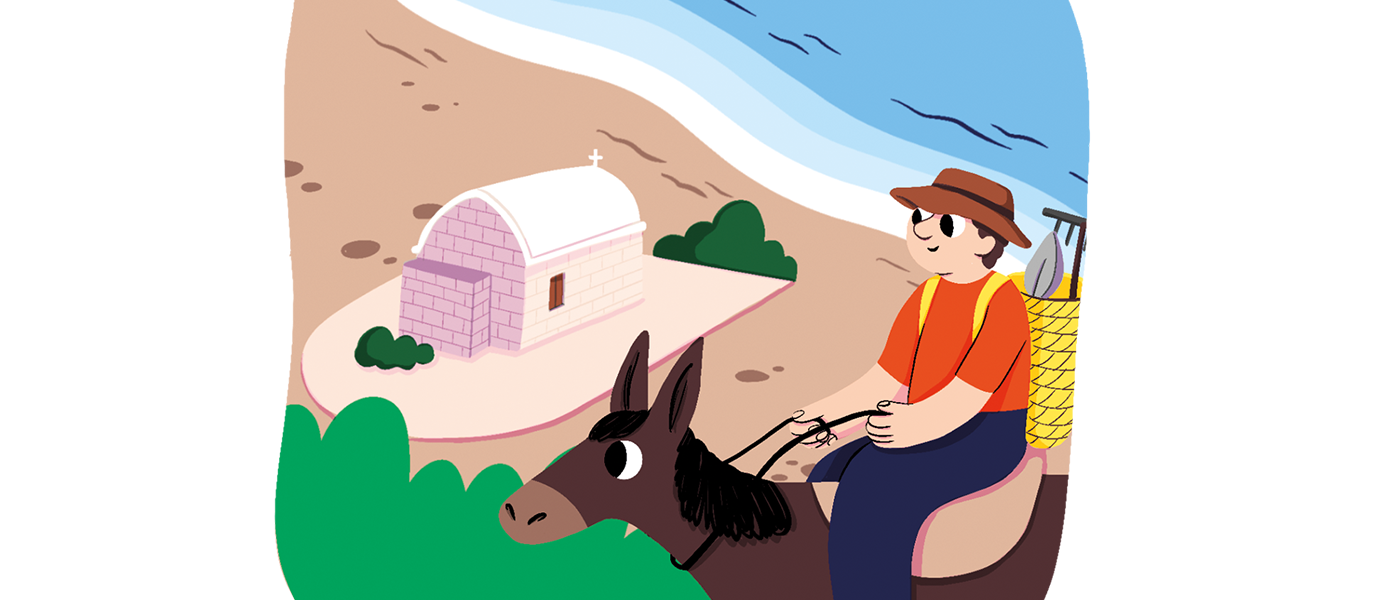
The Small Stories were written in the Cypriot Arabic writing system and translated into Greek. They are accompanied by the original audio files that appear in the form of QR codes in the text. The stories can be used to develop oral or written understanding of Cypriot Arabic. Our little friends can listen or read each story and place the pictures in an order that corresponds to the narrative events by putting the numbers from 1 to 5 in the small circles that appear in each picture.
The ten Small Stories were enttrusted to us by the members of the Maronite community Ioannis Iosif Petri, Filou Ioanni Tsoutzouki, Peppis Ioannou Christofi, Chrystalla Ioanni Petri, Peppa Antoni Diakou, Iosifina Michael Frangkiskou, George Antoni Fenek and Antonis Hatzikostantis.
We are immensely thankful to them.
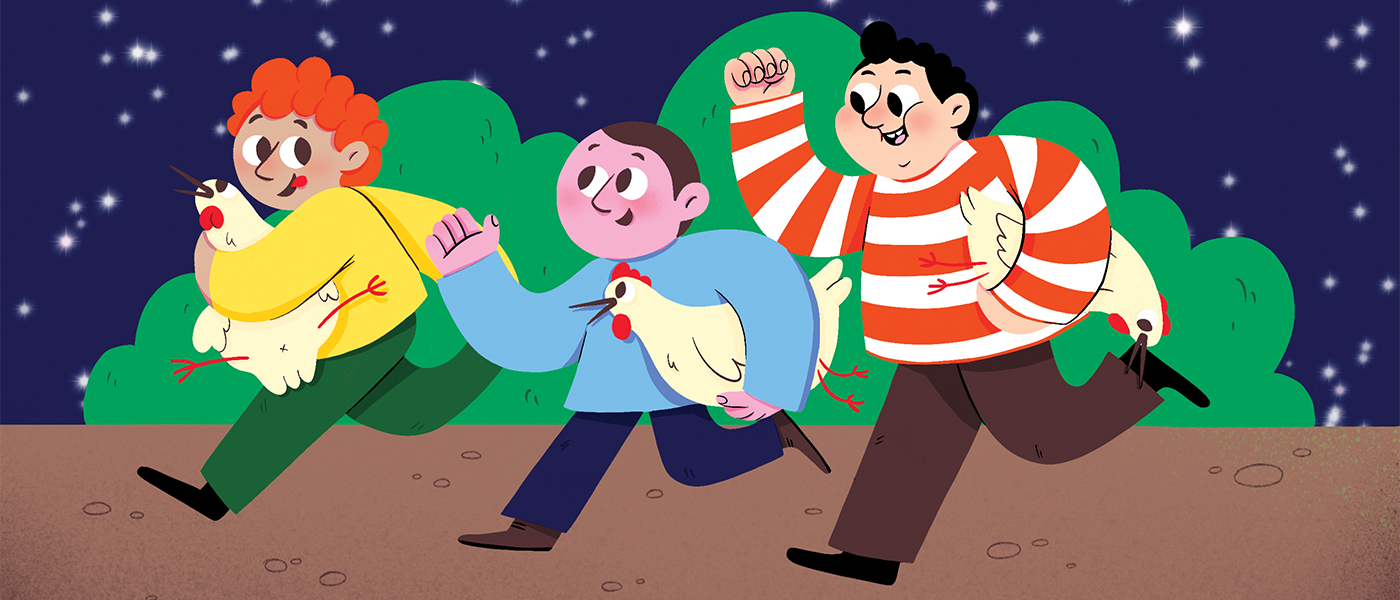
Lli-χramín tel jejj / The chicken thieves

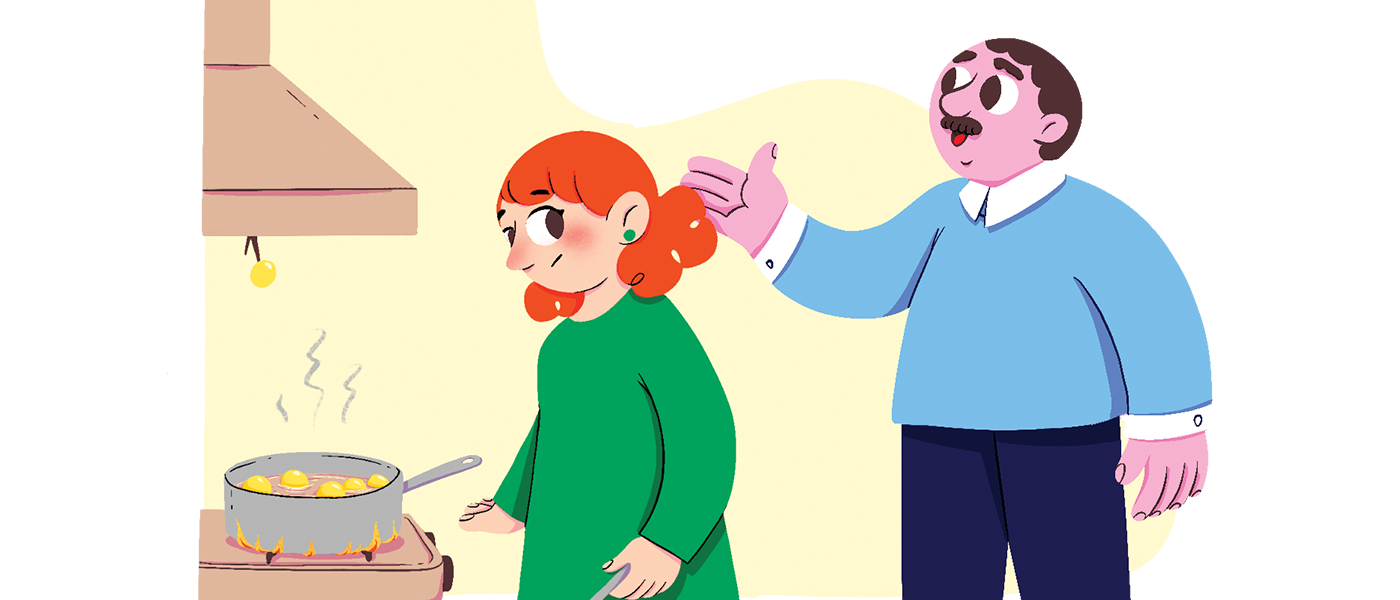
L-sark telli zlepkye / Steeling pancakes

Ll-oftó u l-pasle / The roasted meat and the onion


L-θavma tel Catra tel Markí / The miracle of the Virgin of Marki


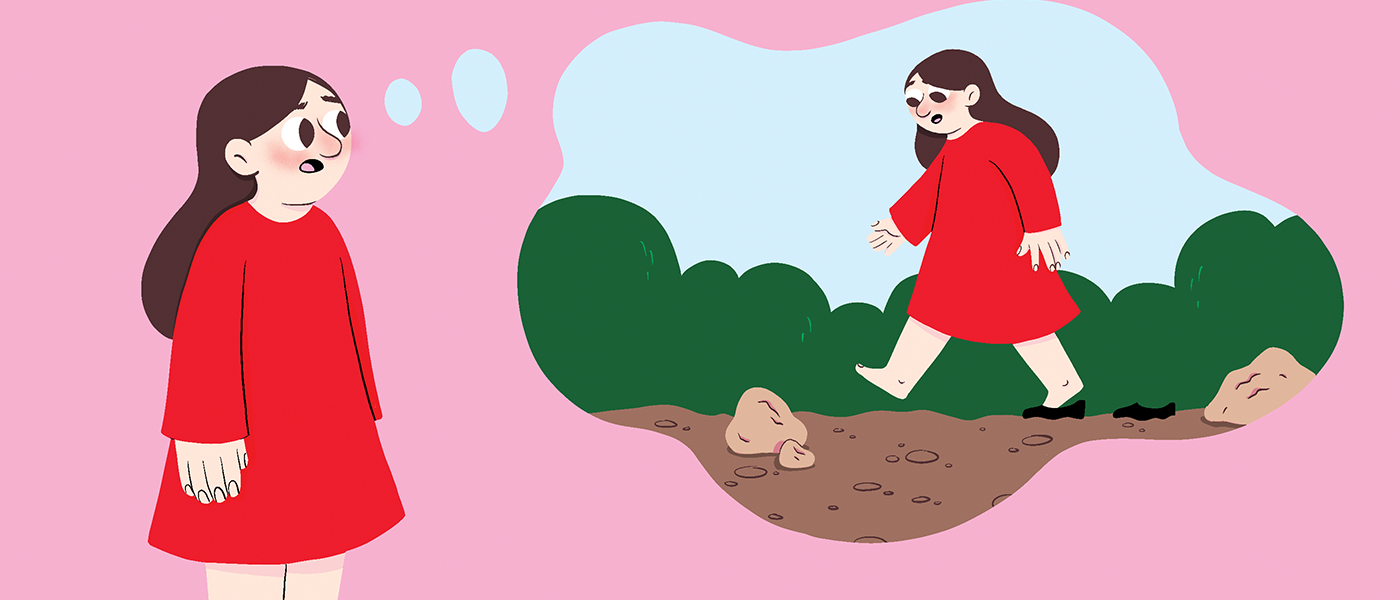
Lli-skarpes ma l-pilatşés / The shoes in the mud

L-sinn telli δrako / The dragon's tooth


Illi-psarka tel Korno / The fishes down to Kornos


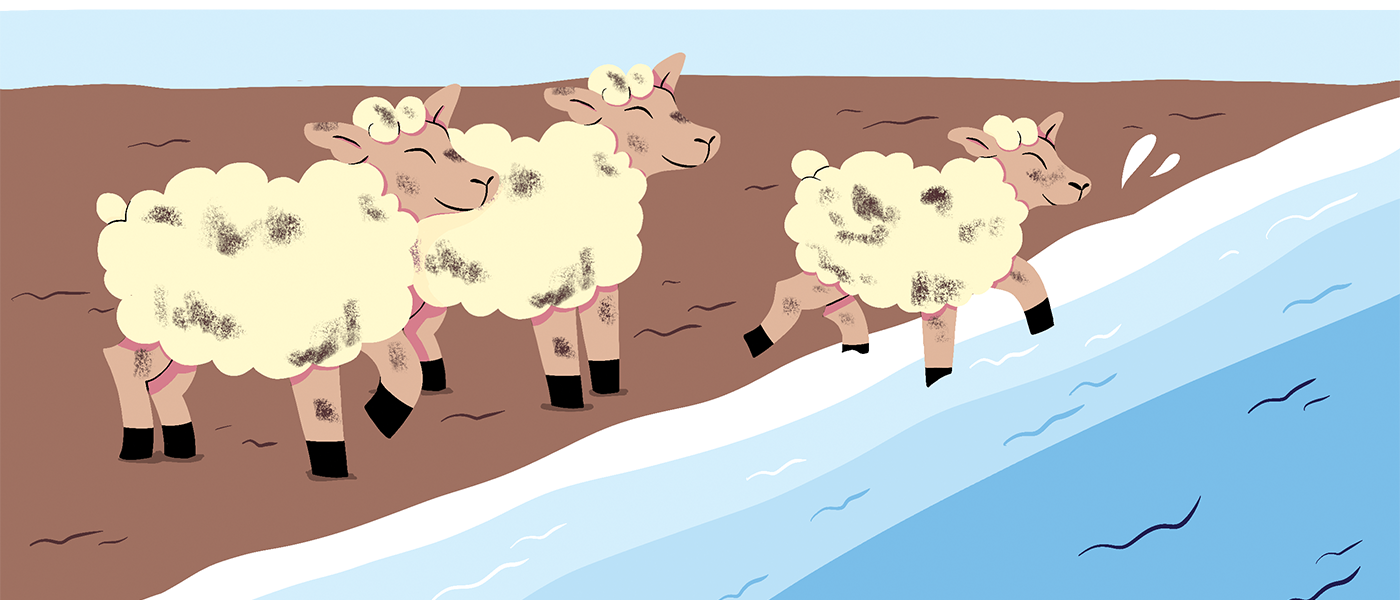
L-χumr kouelles / The red sheeps

Lli-tşinió u l-nem arnep / The hunter and the sleeping hare


L-θor u l-cafa / The bull and the snake

Last Updated on December 12, 2024

