
Vision and Philosophy
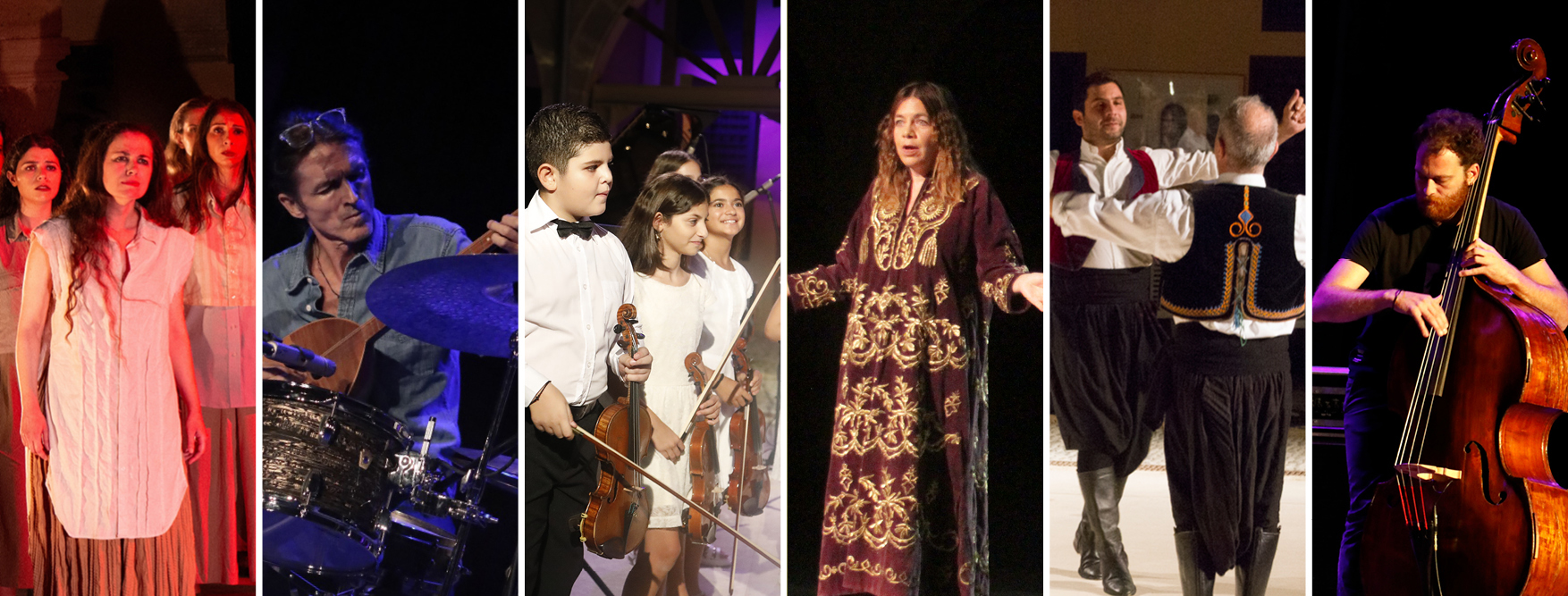
Since 1998, the Cultural Centre has been organising the annual Cultural Festival of the University of Cyprus, which constitutes the pinnacle of the University’s cultural activities and serves a threefold purpose:
(a) to promote and honour the work of established and emerging artists from Cyprus and the wider Mediterranean region, while incorporating also into its programme performers from distant geographical areas;
(b) to cultivate culture as an important parameter that contributes to the holistic education of the members of the academic community, and;
(c) to offer local audiences the opportunity to experience and appreciate the multifaceted Euro-Mediterranean culture as a common heritage that unites and inspires.
Concept, programming and selection of proposals
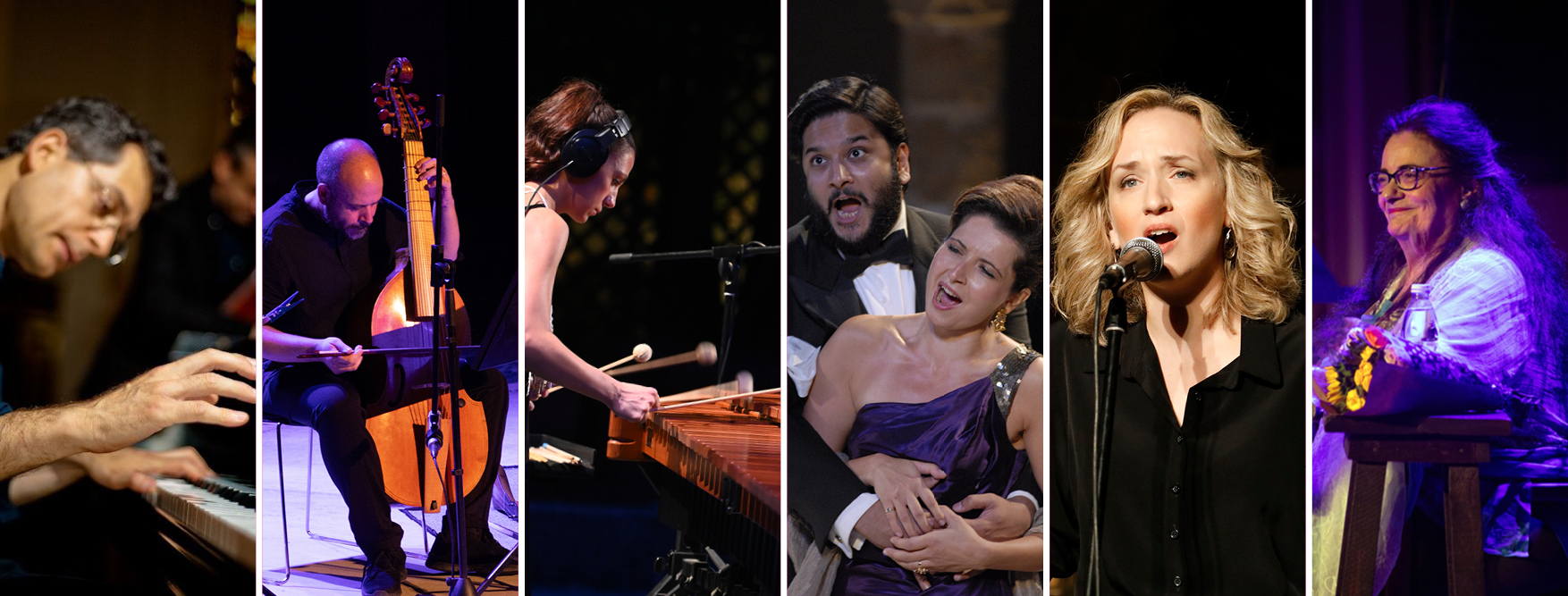
Each year, the Cultural Festival offers a rich and varied programme, which includes traditional, contemporary and classical music concerts, theatre and dance performances, tributes to poets, composers, and theatre and film directors, art and documentary exhibitions and presentations, public lectures, conferences, symposia, seminars, as well as music and theatre workshops.
The concept of the Festival, and hence the selection of artists and events, is based on the assumption that European civilization covers a broad cultural area, in which the traditions of the North, South, West and East have been in constant fusion.
The Mediterranean, as a unique geopolitical and cultural space, features prominently in the Festival’s programme, which is designed so as to highlight the diachronic and synchronic cultural contribution of this region.
Based on this concept, the Festival welcomes proposals from artists, musicians, theatre companies and groups from Cyprus and abroad, which are examined by the Artistic Director and the members of the Administrative Board of the Cultural Centre. Quite often, the Festival’s management also takes a proactive approach and invites selected artists and musicians, either emerging or established, who offer a fresh outlook on the artform they serve or bring something new to the cultural scene.
Music and theatre are at the heart of the Festival’s programme, which is also enriched with dance performances by folklore groups from Cyprus, Greece or other countries, as well as with classical or contemporary dance performances.
Theatre
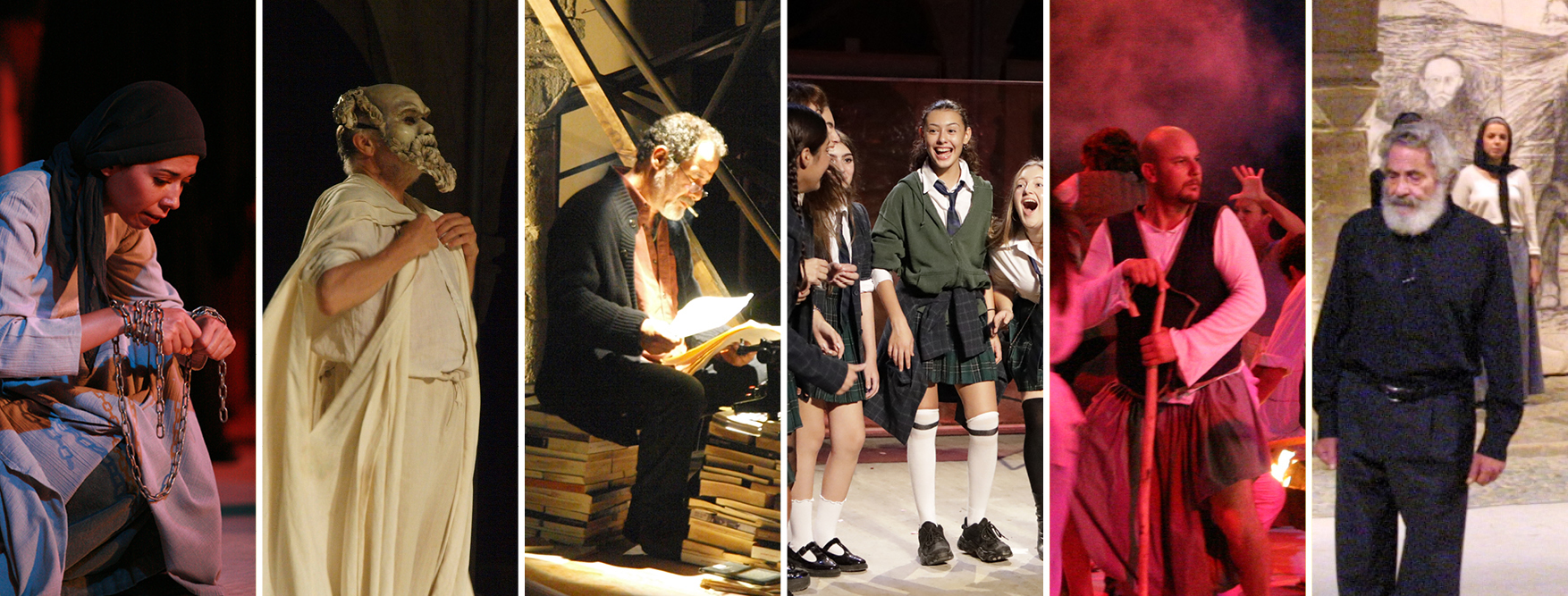
The theatre performances presented in the framework of the Festival cover an impressive range of genres and époques: ancient Greek epos, classical drama, Roman theatre, medieval chronicle, Western and Cretan Renaissance, verbal folklore, Modern Greek theatre and poetry of the 19th century, as well as contemporary Western and Greek theatre and poetry of the 20th and 21st centuries.
The productions of the Theatrical Workshop of the University of Cyprus (THEPAK) form an important part of the Festival’s programme each year and continue to attract large audiences, although some of them have been staged dozens of times since their premieres. This is quite an impressive achievement that testifies to the quality of THEPAK’s productions and the value of its interpretative approach that perceives the literary works performed as a work in progress.
In addition, the Theatrical Workshop continues to enrich its repertoire with new, original productions, seeking collaborations with distinguished and emerging artists, thus creating a strong and vibrant creative environment.
The theatre programme of the Festival also includes performances for the most demanding audience, the children, who have the opportunity to enjoy traditional Cypriot shadow play (Karagiozis) by established and younger Greek and Cypriot puppeteers, as well as contemporary plays for children.
Cross-genre performances combining theatre, fiction, poetry and music further enrich the Festival’s programme, offering a different approach to literature.
Music
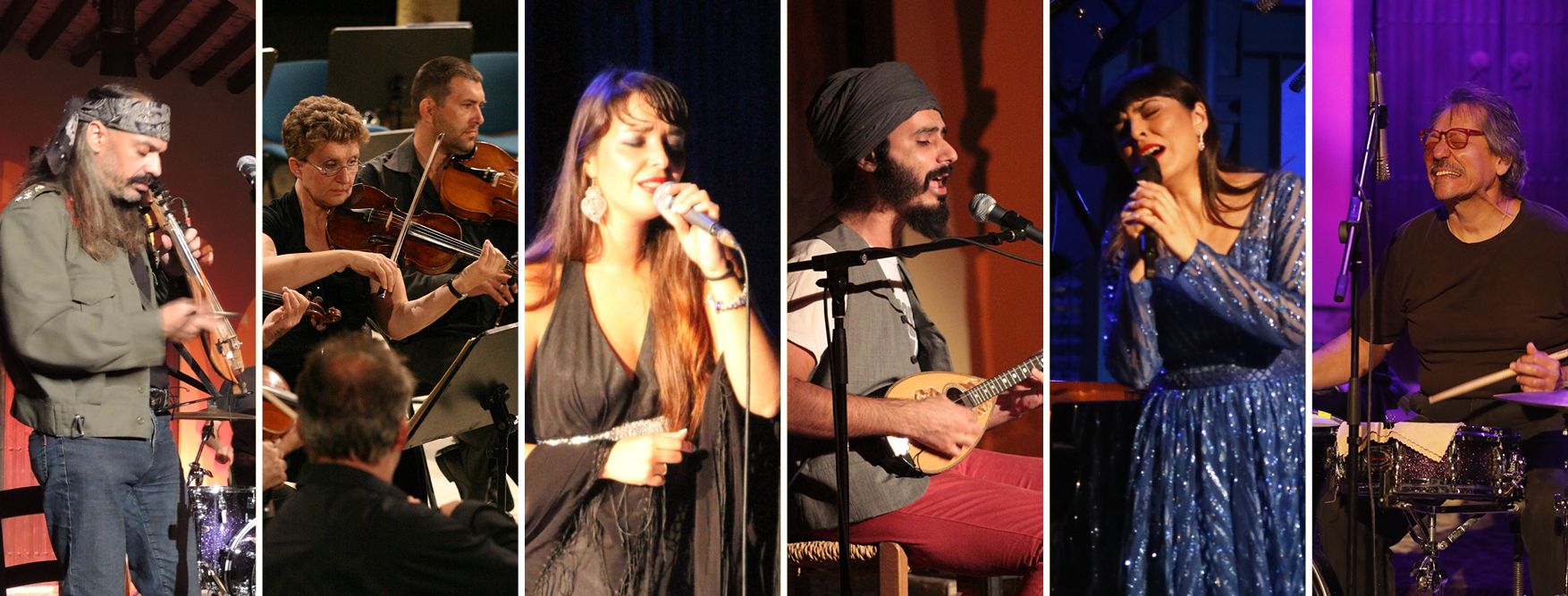
Music, as the most expressive and accessible means of communication, serves as the best medium for carrying the Cultural Festival’s mission, which is to highlight the appeal and uniqueness of cultural diversity. That is why, it rightfully holds a special place in the Festival’s programme.
The concerts presented at the Axiothea Mansion cover a wide variety of music genres and styles: Ancient Greek, medieval, renaissance, Byzantine, ecclesiastical, choral, classical and contemporary symphony music, chamber music, traditional folk, world music, progressive rock and folk-rock, fado, jazz, and all the music styles of the modern Greek tradition (rebetiko, laiko, entechno, etc.).
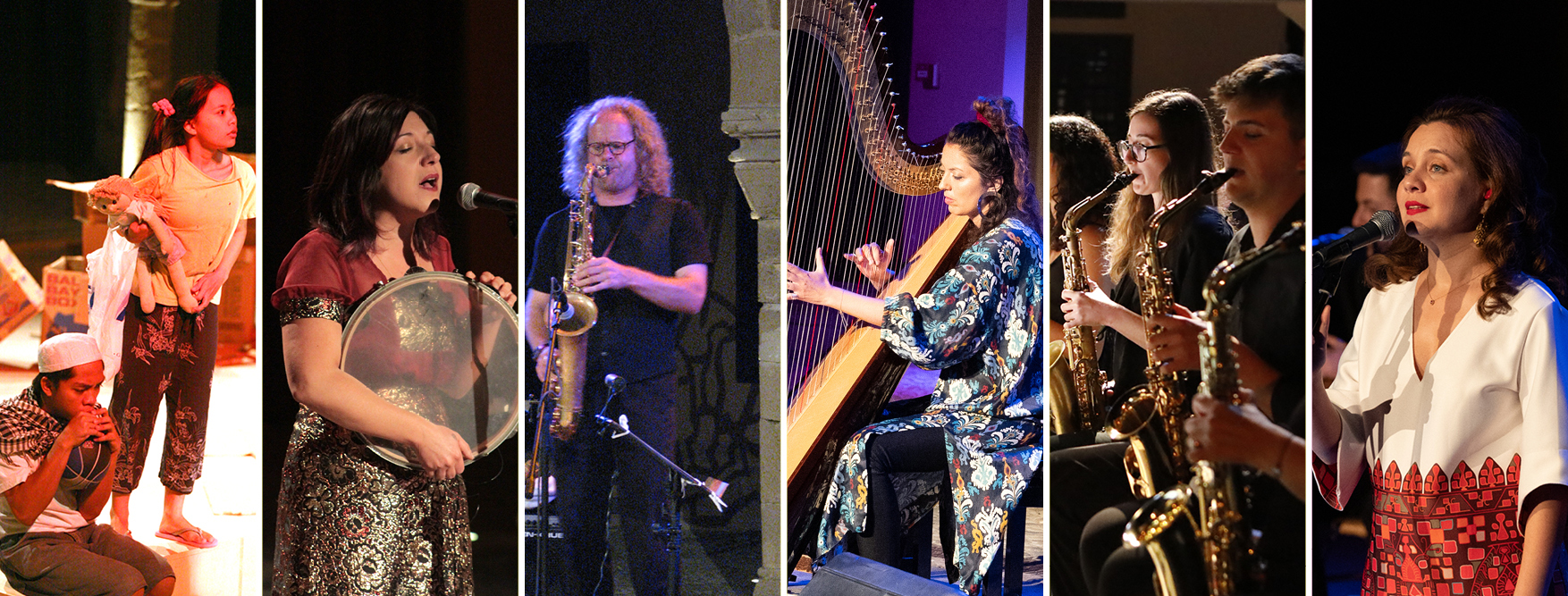
Since its establishment, the Cultural Festival of the University of Cyprus has welcomed more than 600 performances by hundreds of artists from various European and Mediterranean countries: Austria, Belgium, Croatia, Cyprus, the Czech Republic, Egypt, France, Germany, Greece, Israel, Italy, Jordan, Lebanon, Malta, the Netherlands, Norway, Palestine, Poland, Portugal, Spain, Switzerland, Tunisia, Turkey, Ukraine, and the United Kingdom. In addition, the programme has included artists from regions outside Europe: Afghanistan, Brazil, Cuba, Iran, Iraq, Japan, Kurdistan, the Philippines, and the USA.
The Cultural Festival of the University of Cyprus, with its fascinating history over time, has emerged as the most long-lasting and one of the most important cultural institutions in the country, which supports and strengthens multicultural exchange and creative communication between nations.
With an impressive range of events, which highlight the potential of the Mediterranean, and especially of Cyprus, as an area of constant cultural osmosis and creation, the Festival has earned its own distinct place and cultural value far beyond the boundaries of the island, having achieved recognition across Europe.
Last Updated on May 15, 2025

