


New Facilities – A New Beginning: Our Vision Finds Its Home
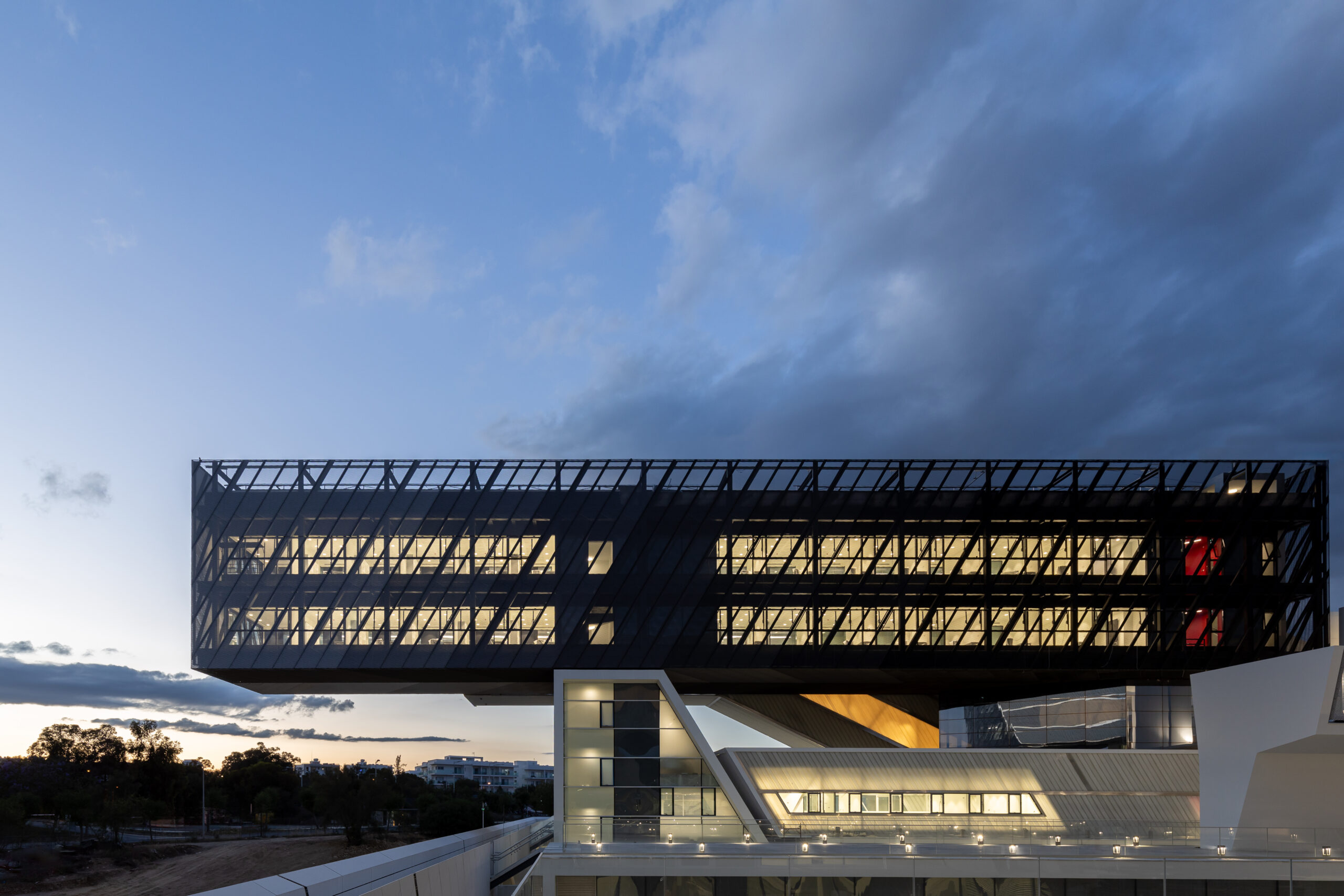
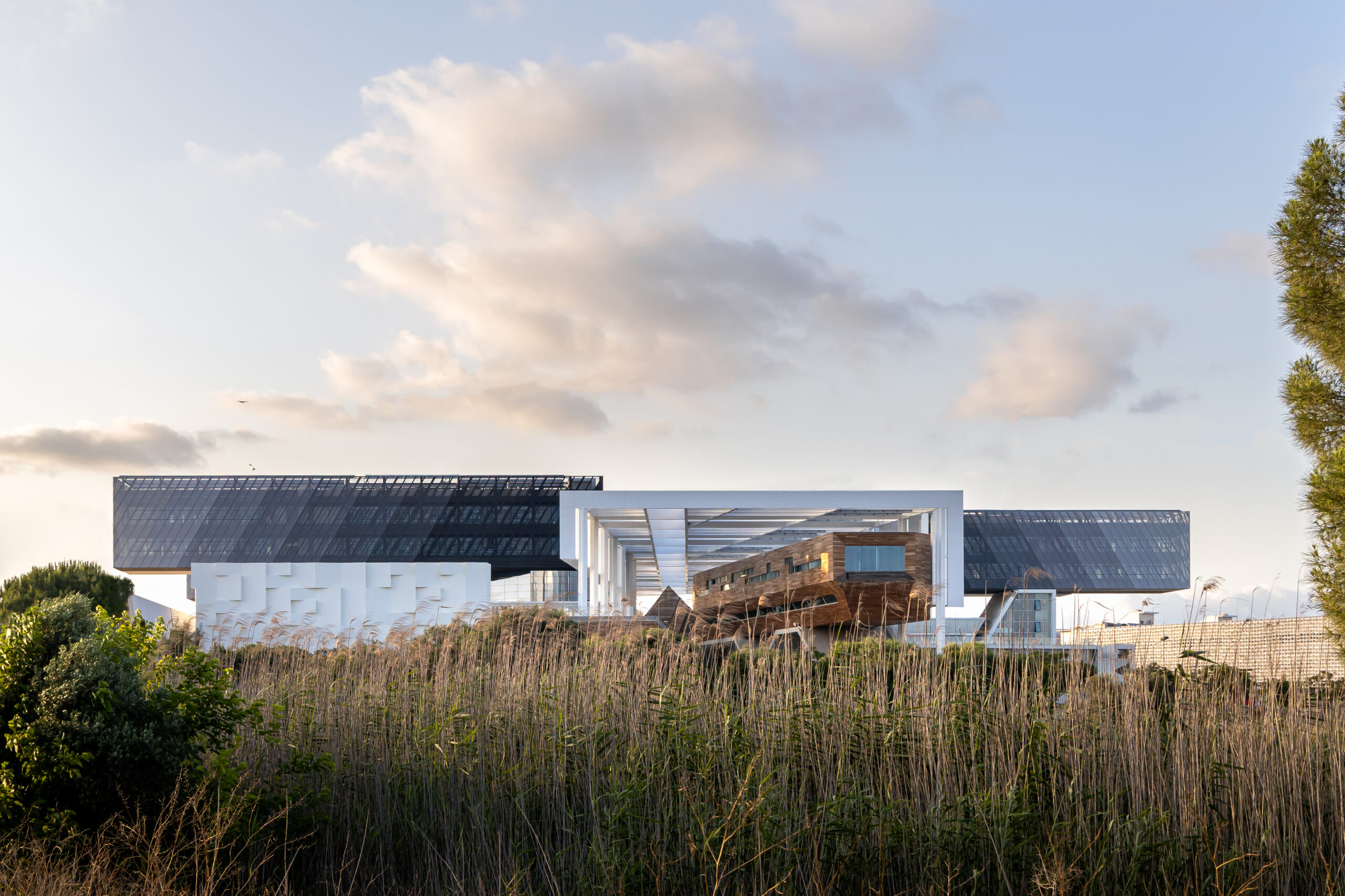
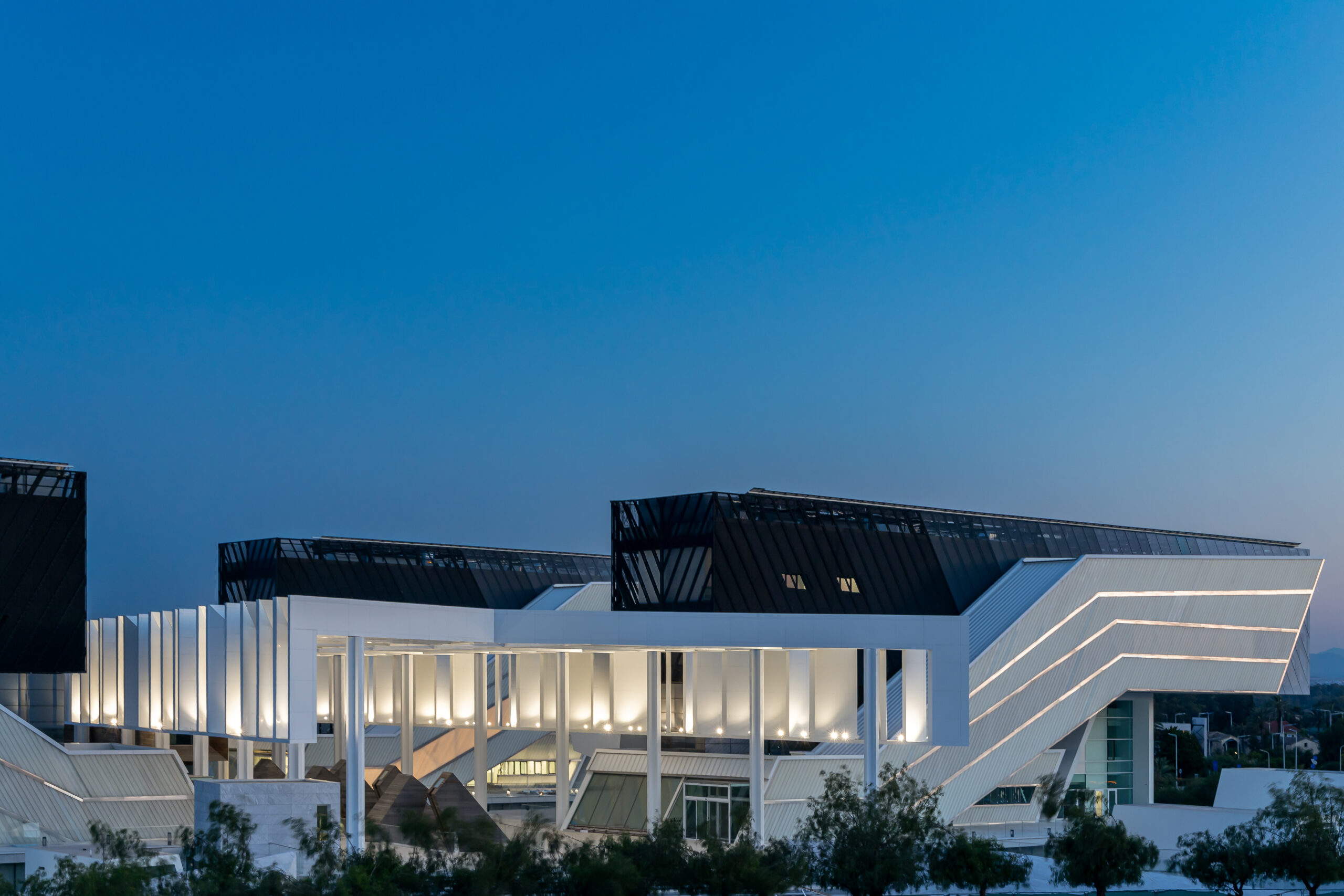
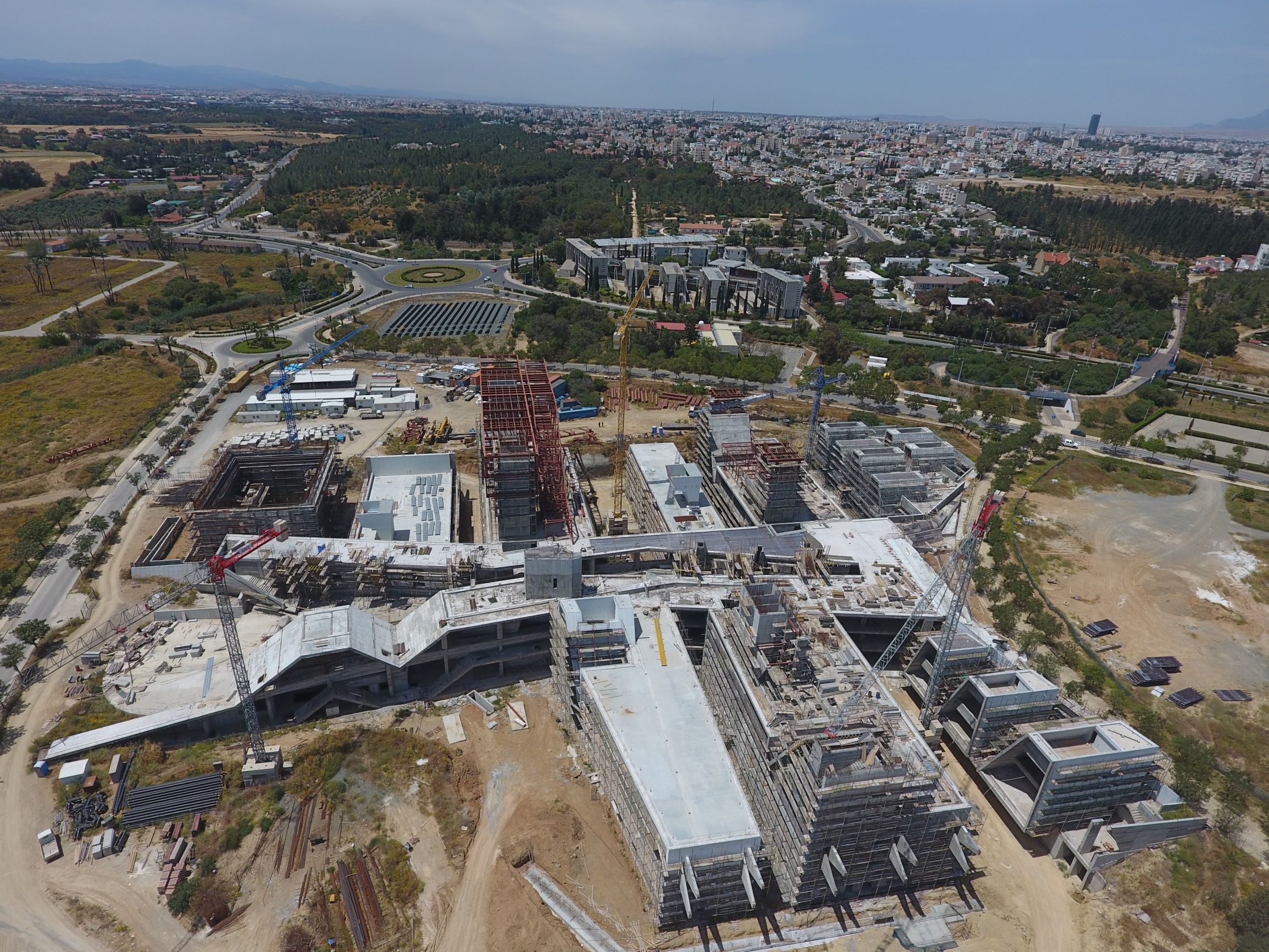
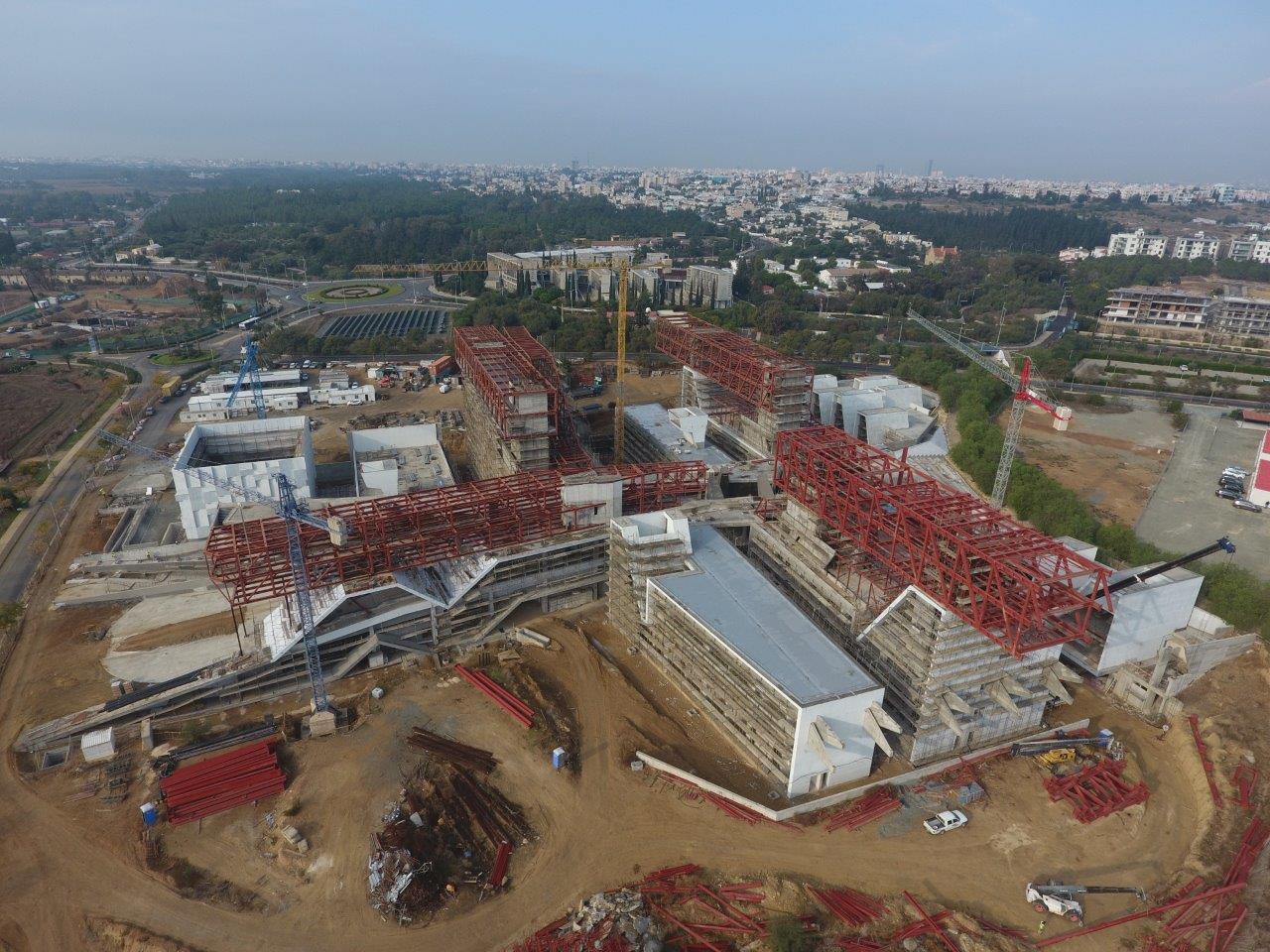
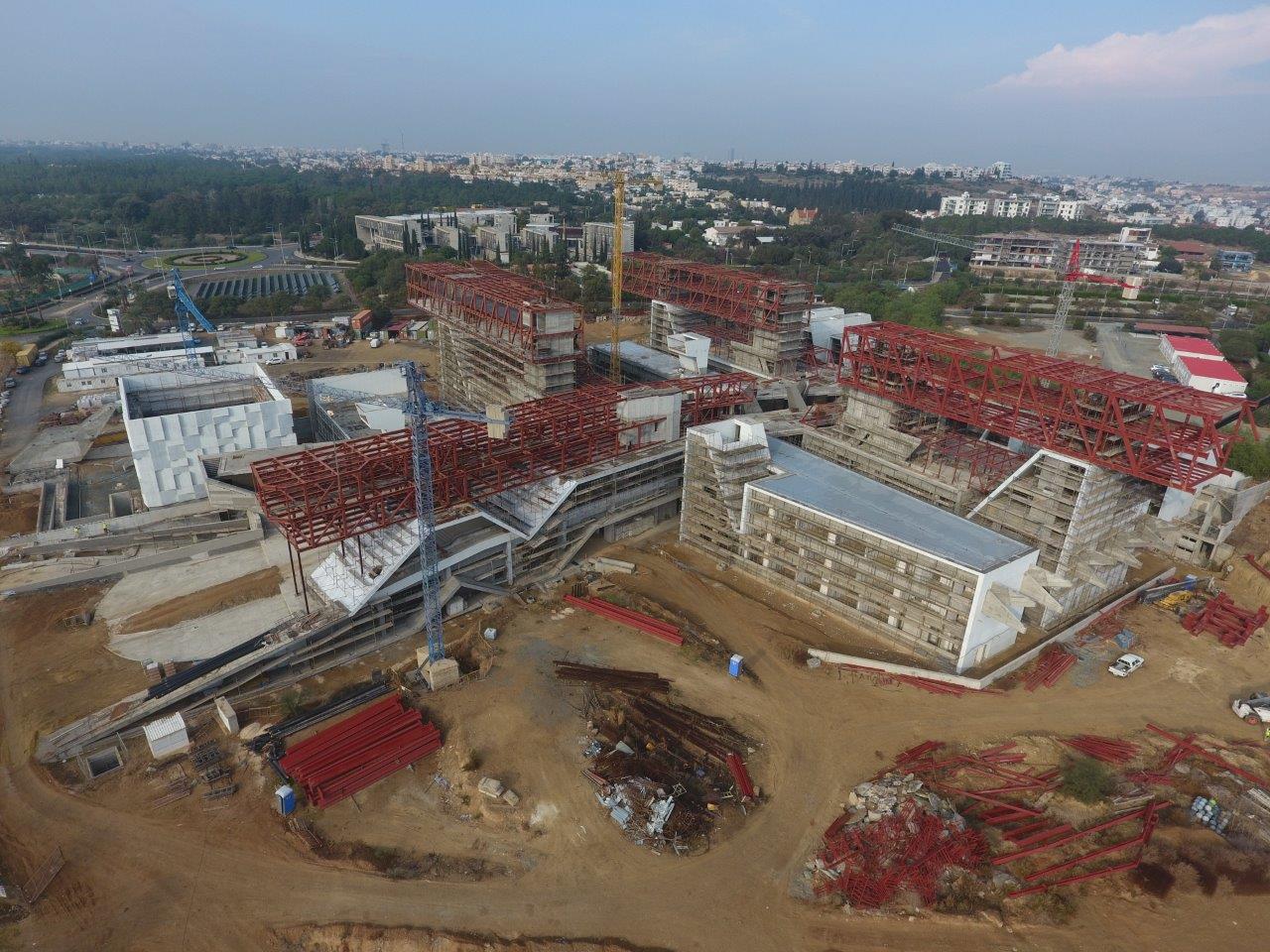
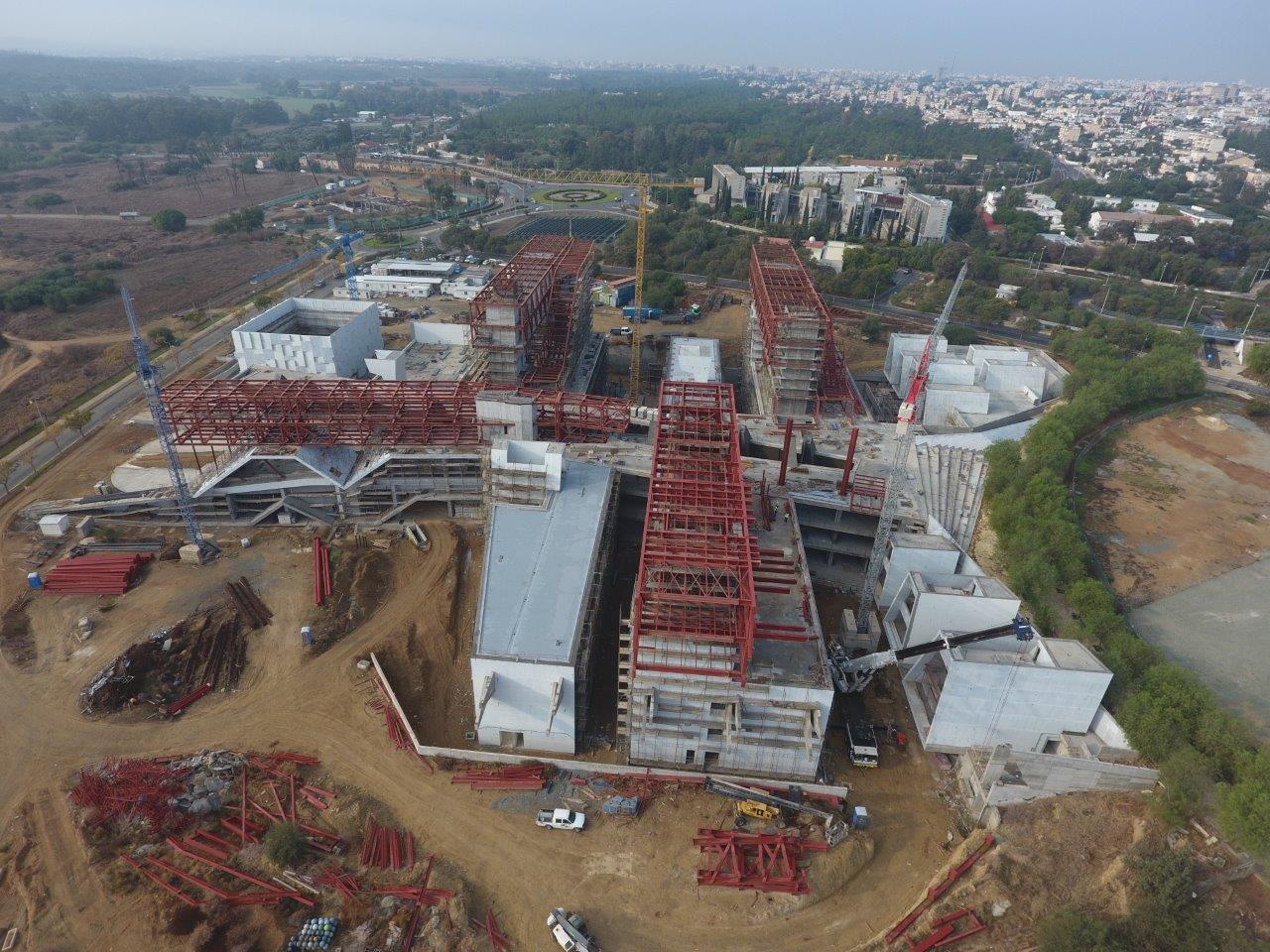
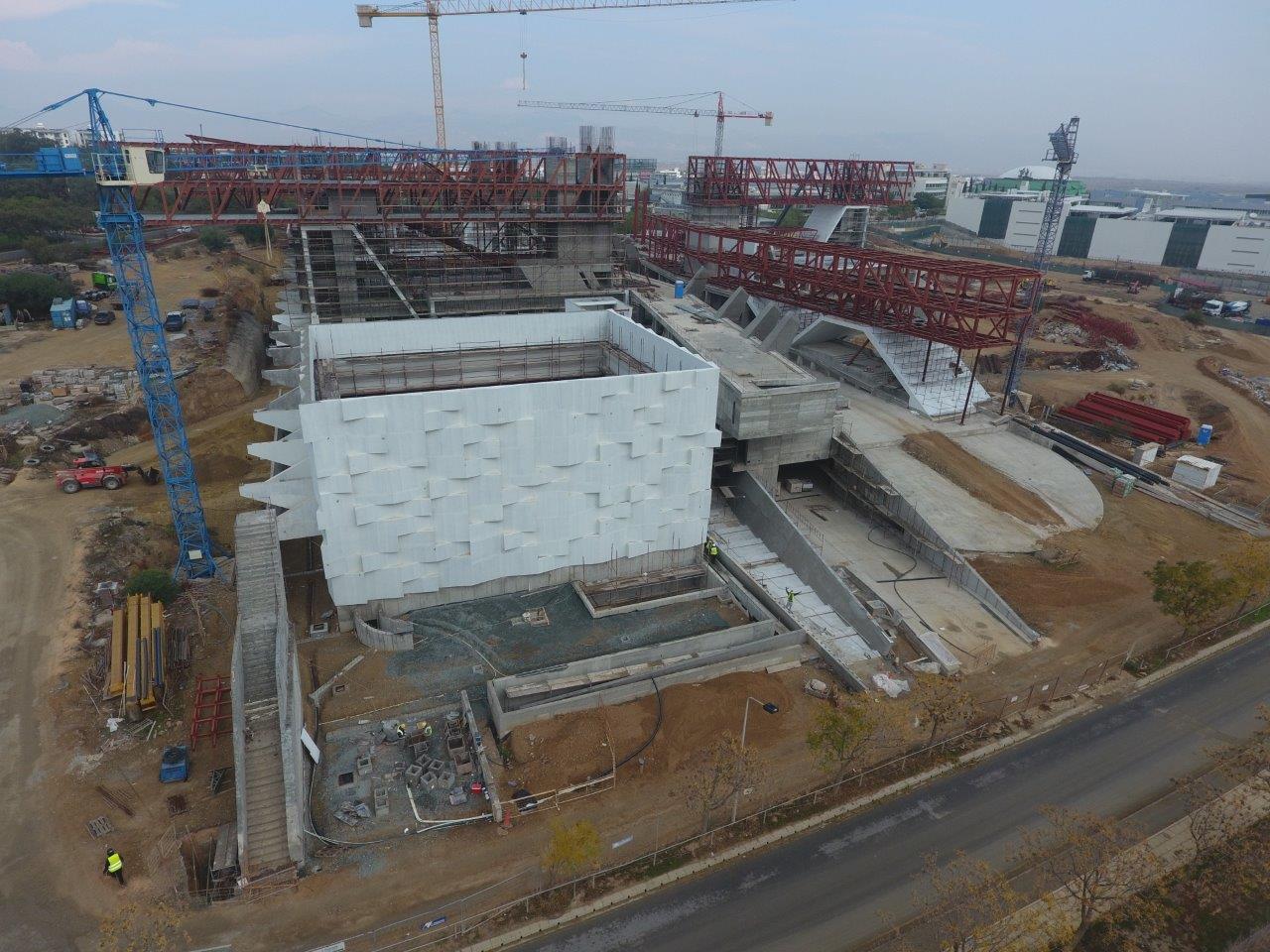
The new state-of-the-art and iconic building facilities of our School redefine the skyline of the University Campus and create a landmark space that fosters modern learning, creative collaboration, cutting-edge research, and innovation.
The new facilities of the Faculty of Engineering at the University Campus form a scientific and technological nucleus, comparable to the most modern research organizations worldwide, particularly in the field of innovative and applied cutting-edge technologies.
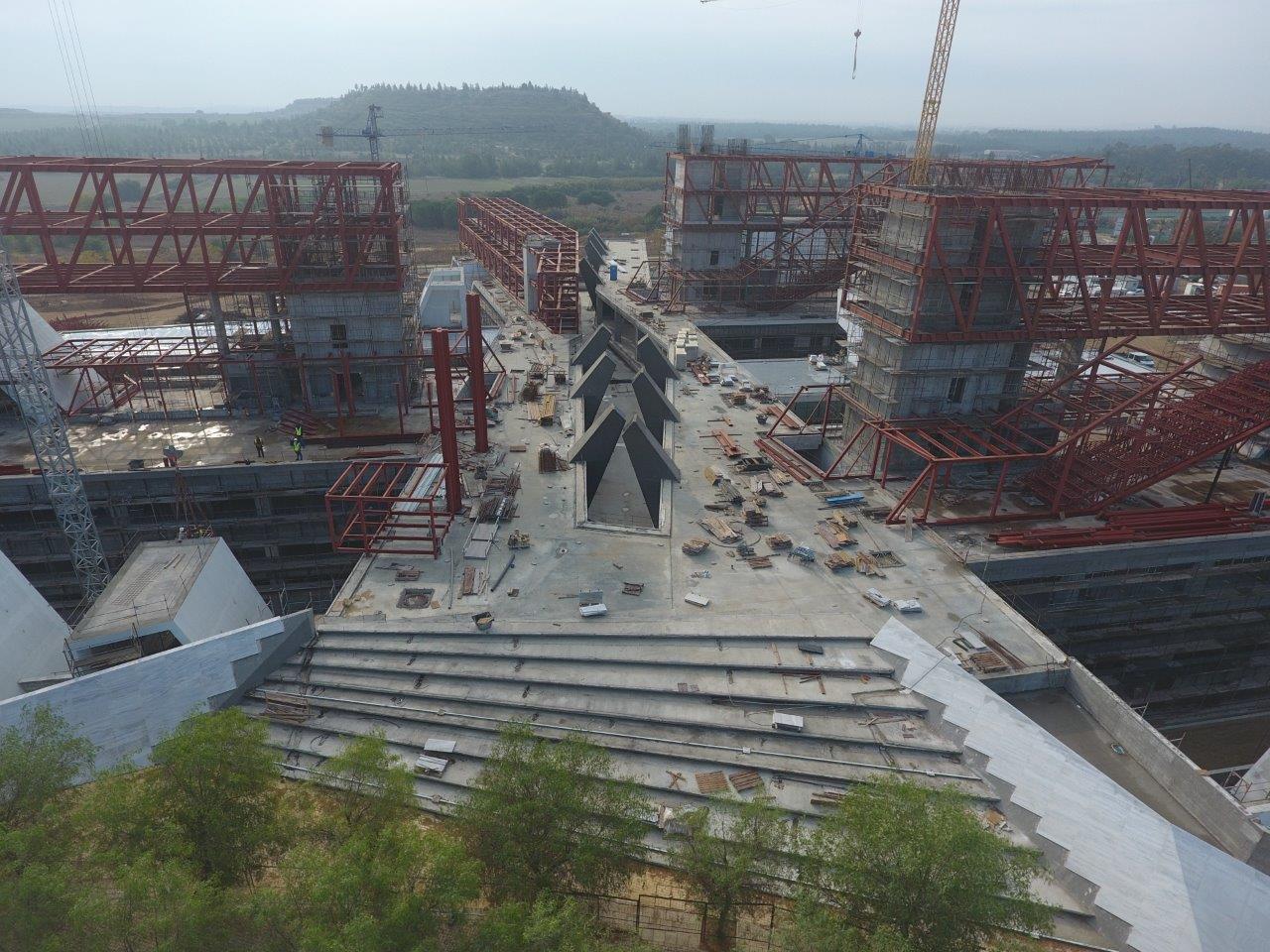
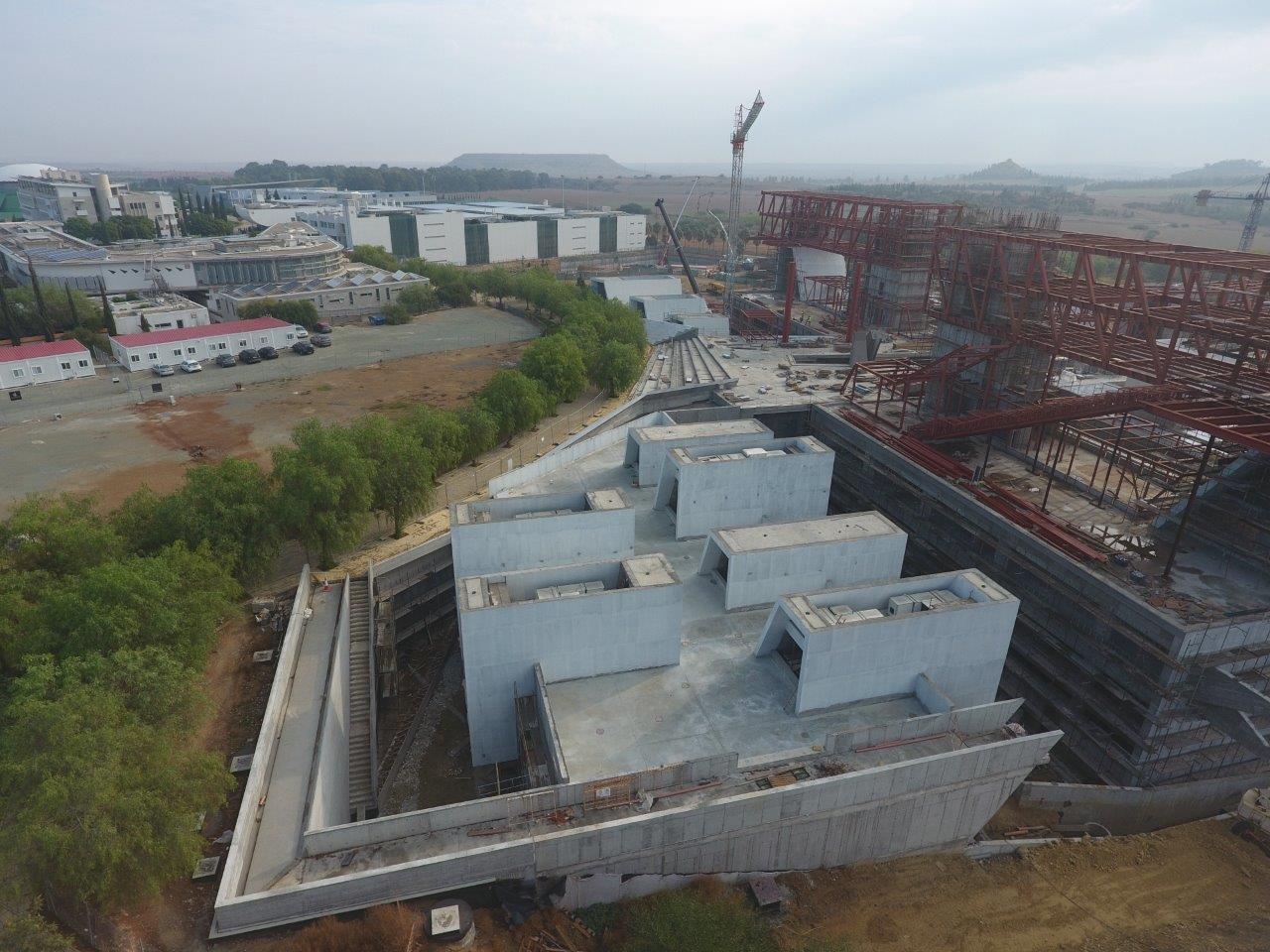
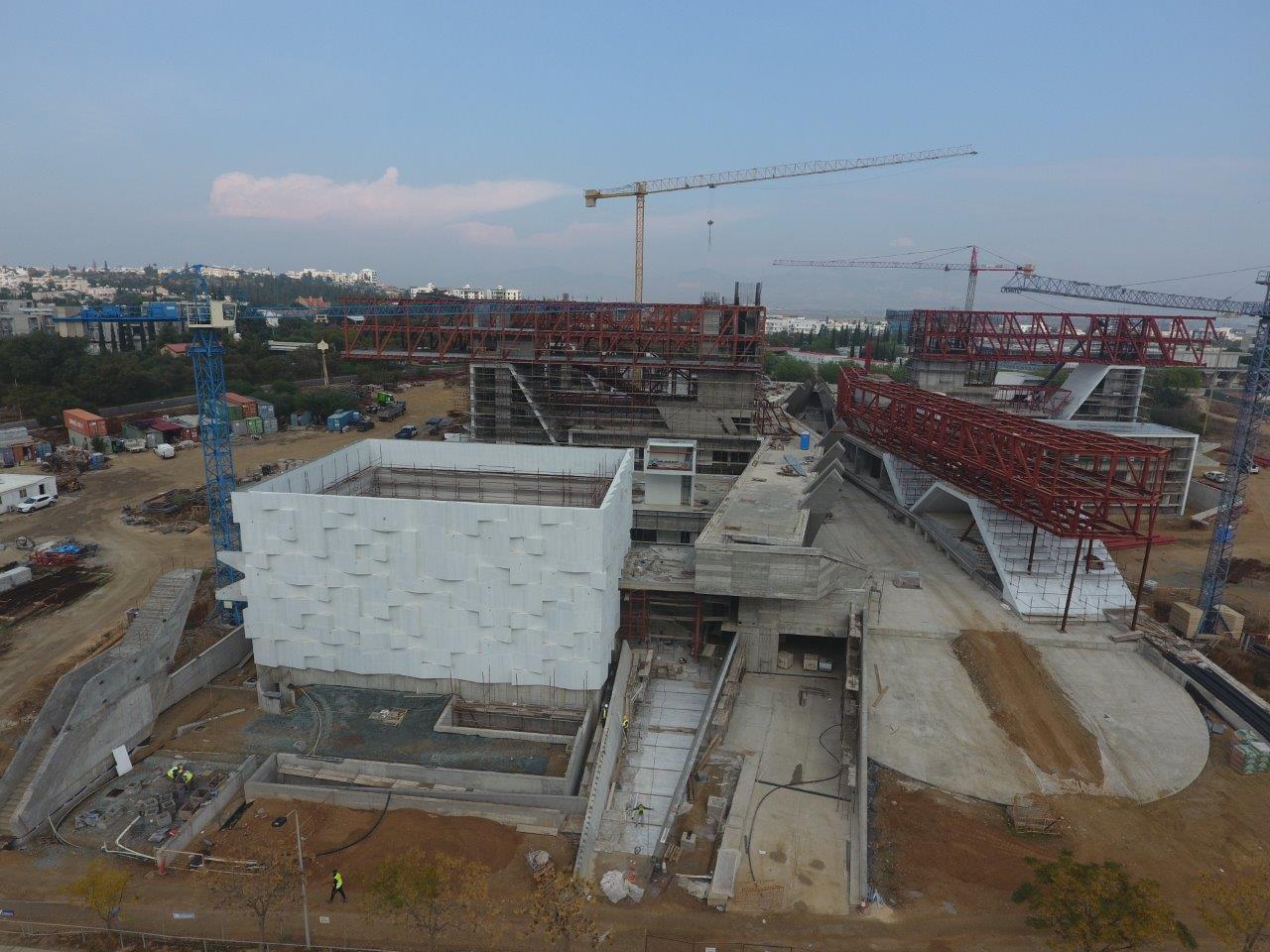
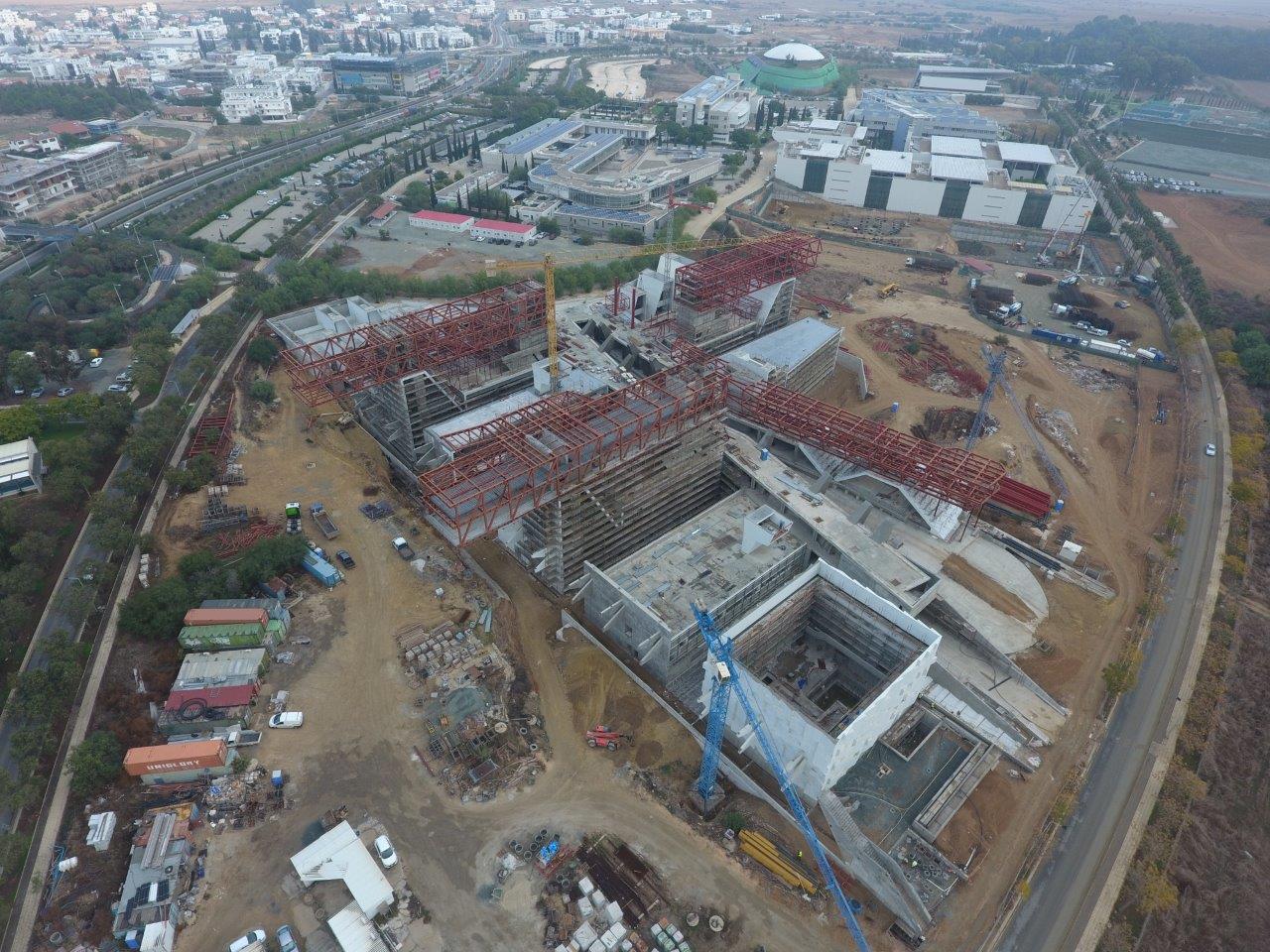
The Faculty of Engineering has a hybrid character: on the one hand, it consists of three relatively similar academic units, namely the Departments housed in standardized wings, and on the other, of a central free-form zone that primarily hosts shared functions and the School’s administration.
In this sense, the Faculty complex, with a total area of approximately 35,000 m², is a campus in miniature, integrated within the larger University Campus. The estimated budget for the construction and completion of the project is €55,000,000 (+ VAT). It should be noted that this amount does not include the building’s movable equipment or the specialized laboratory equipment.
The design of the new facilities was the result of an international Architectural Competition, held in 2010. Out of 18 total submissions, originating from several European countries, the 1st prize was awarded to the proposal of the following team of architects:
-
Chrysanthos H. Chrysanthou and Associates (Cyprus)
-
Heraklis Papachristou Architects (Cyprus)
-
Anast. M. Kotsiopoulos and Associates Architects (Greece)
The winning team developed the implementation plans and undertook the supervision of the project’s construction.
The New Facilities of the Faculty of Engineering at the University Campus will serve as a scientific and technological hub for the University of Cyprus, comparable to the most modern research organizations worldwide, particularly in the field of innovative and applied cutting-edge technologies.
Project Contractors
The construction works of the New Facilities of the Faculty of Engineering have been assigned to the following:
-
Main Contractor: A. Panayides Contracting Limited
-
Electrical Works Subcontractor: Telmen Ltd – A. Eracleous Ltd Joint Venture
-
Mechanical Works Subcontractor: Telmen Ltd
-
Elevator Subcontractor: KONE Elevators Cyprus Ltd
The project concerning the New Facilities of the Faculty of Engineering at the University Campus (Research Laboratories) is co-funded by the European Regional Development Fund and aims to create infrastructure to strengthen the country’s research capacity. Specifically, the first phase was co-funded by the European Regional Development Fund during the Programming Period 2014–2020, while the second phase is being implemented under the Cohesion Policy Programme “THALEIA 2021–2027” with co-funding from the EU.
The Architectural Design
The Wings
The new buildings of the Faculty of Engineering house three Departments, with the prospect of future expansion: Civil and Environmental Engineering (CEE), Mechanical and Manufacturing Engineering (MME), and Electrical and Computer Engineering (ECE). They cover a wide range of research fields, such as structural statics and dynamics (with a large seismic shake table and reaction wall), hydraulics, robotics, nanotechnology, computer engineering, intelligent systems, environmental research, and more. A number of the University’s research centers, which already have significant international activity, are also hosted here.
All Departmental spaces are organized in a wing system across multiple levels. These levels include most of the research laboratories, courtyards between the wings, the majority of postgraduate student spaces, teaching laboratories and other teaching areas, reception areas, Department administration offices, and faculty offices.
The spaces of the wings form a rectangular grid system of approximately 10x10m, organized so that spaces face north and south, and so that the buildings adapt to the site’s elevation difference. The repetitive grid system and interior partitions of lightweight materials facilitate long-term adjustments, a very important element for an educational building complex. The faculty offices form three distinct volumes, one for each Department. These volumes are geometrically freed to "penetrate" into the central zone of the complex, simultaneously shaping the entrances of the three Departments at the level of the main semi-open pedestrian circulation.
The Central Public Space
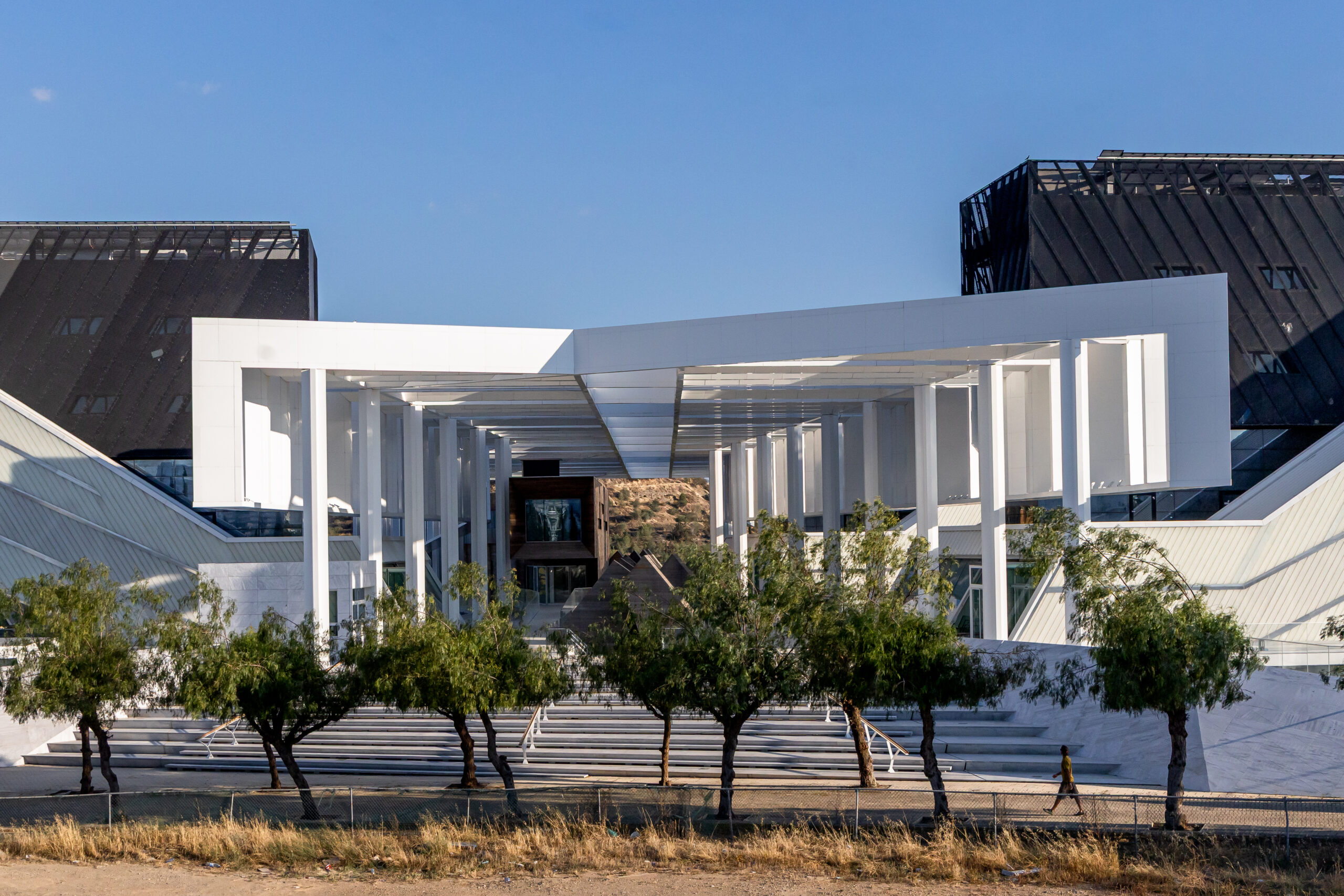
The central zone includes the semi-open pedestrian circulation from the belvedere to the large ramp at the southern end of the central zone. This level connects with the rooftops of the wings, making the entire complex accessible, while the entrances and reception/administrative areas of the Departments are clearly visible.
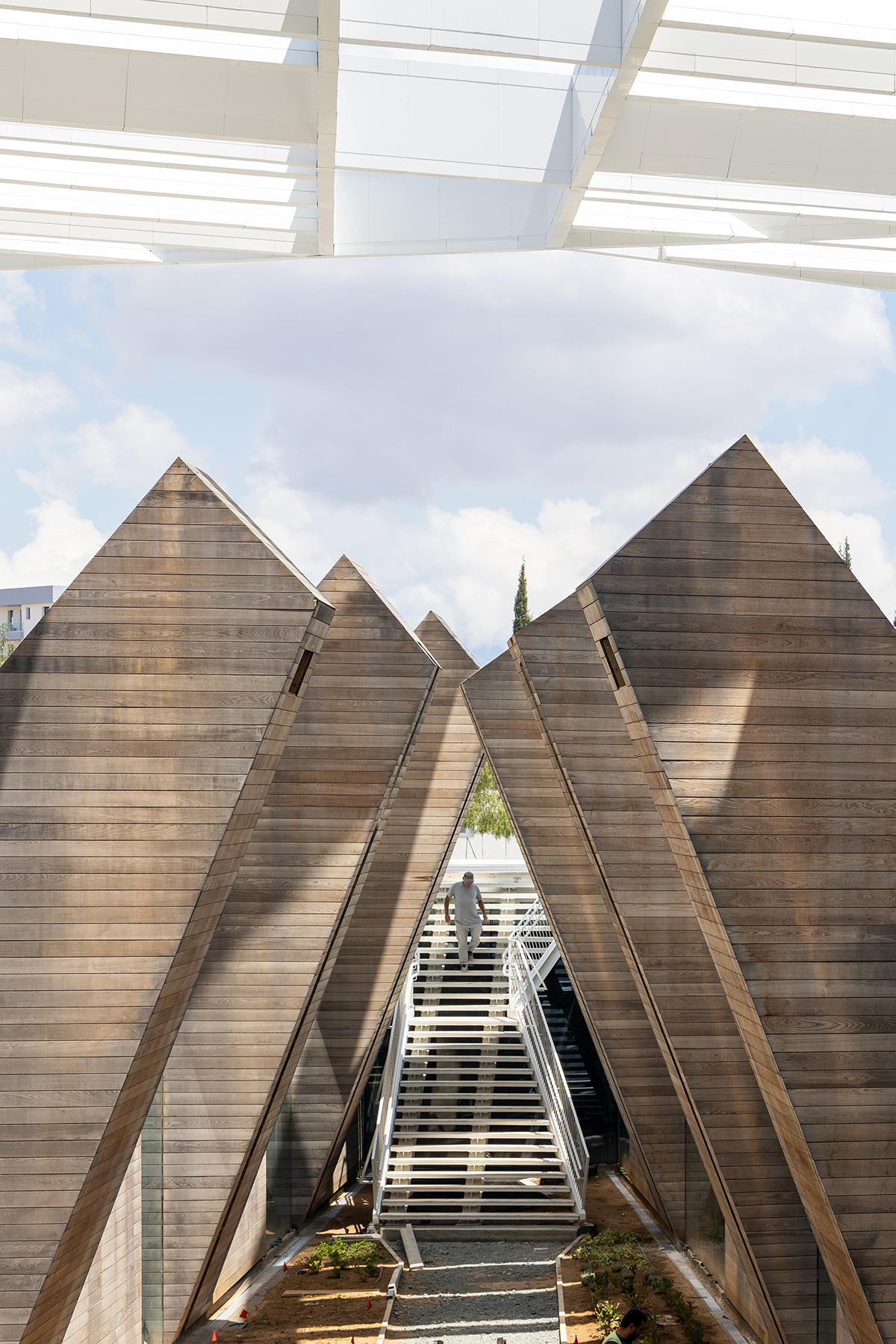
At one level below, the main covered pedestrian circulation is also included, linking all Departments through an enclosed public space. This space hosts shared functions, seminar rooms, and green areas in alternation. The central zone also accommodates the Faculty’s administrative offices, which form a distinct geometric structure characterized by wooden cladding. Additionally, auxiliary spaces for electromechanical installations and car parking areas are located in this zone.
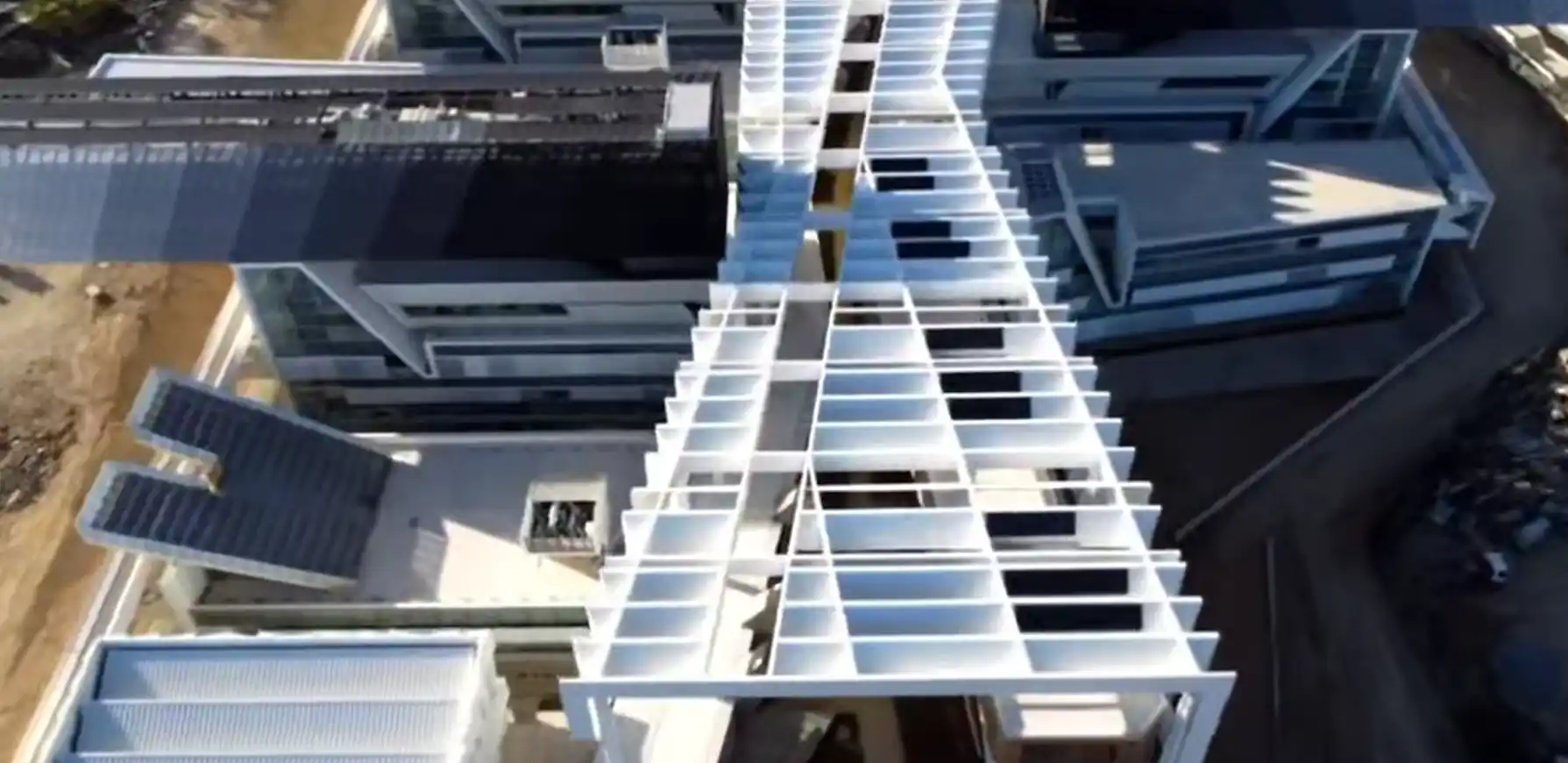
Louvers allow shading of different areas of the central public space and venting of hot air. Beyond acting as a climate moderator, this “climo” shell also functions as an energy collector with photovoltaic panels. Alongside its bioclimatic value, the climo is expected to provide an engaging spatial experience for pedestrians. Seasonal shifts of light and shadow are anticipated to influence users’ movement and resting activities.
Materials
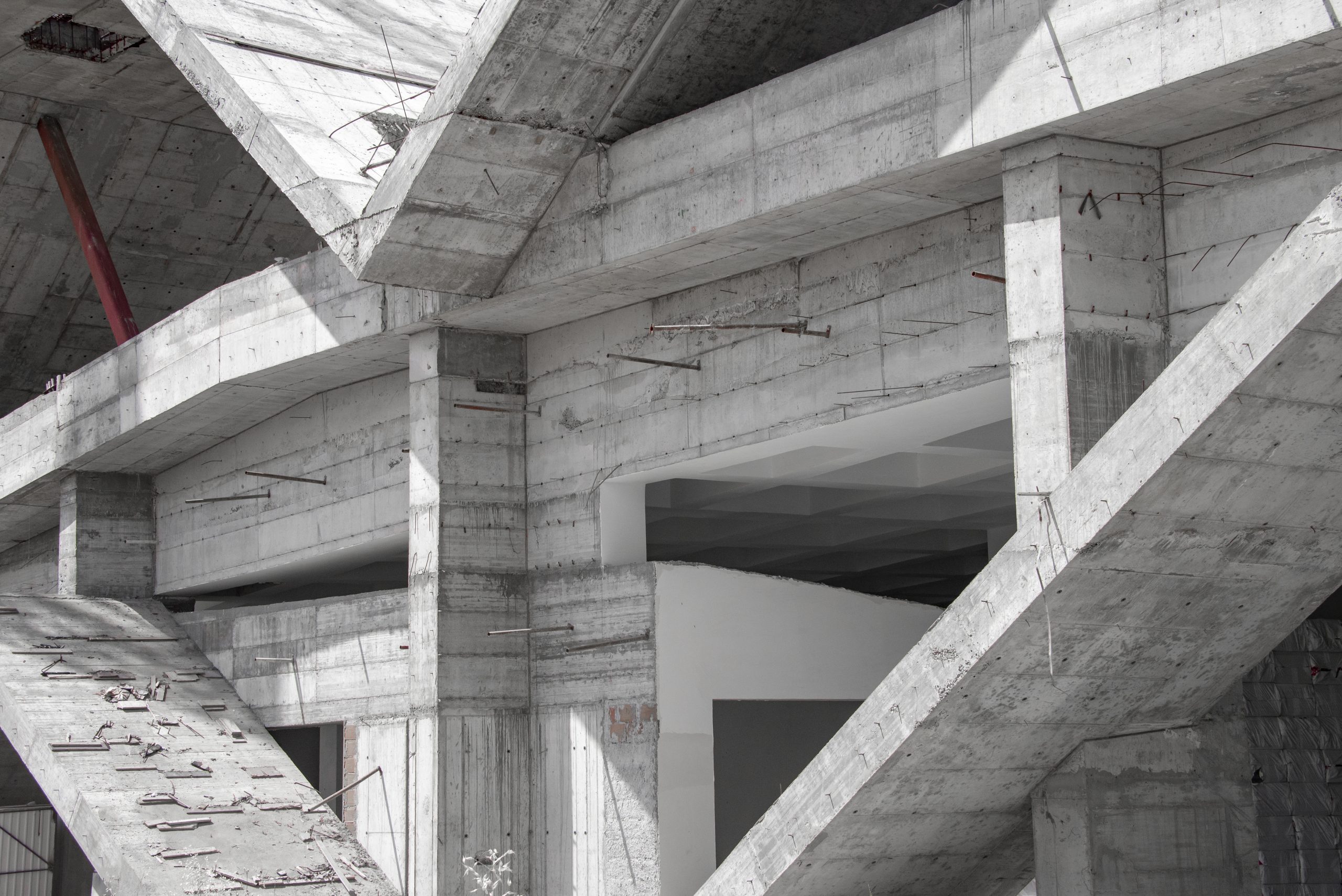
The complex uses fundamental materials such as exposed concrete (processed or not), steel, glass in various types and transparency levels (from clear glass to U-glass), wall, floor, and other cladding panels made of wood, natural marble, and natural or artificial granite, as well as solid or perforated aluminum, brass, and composite sheets.
Energy Design
Structural System, Electromechanical Installations, and Energy Aspects
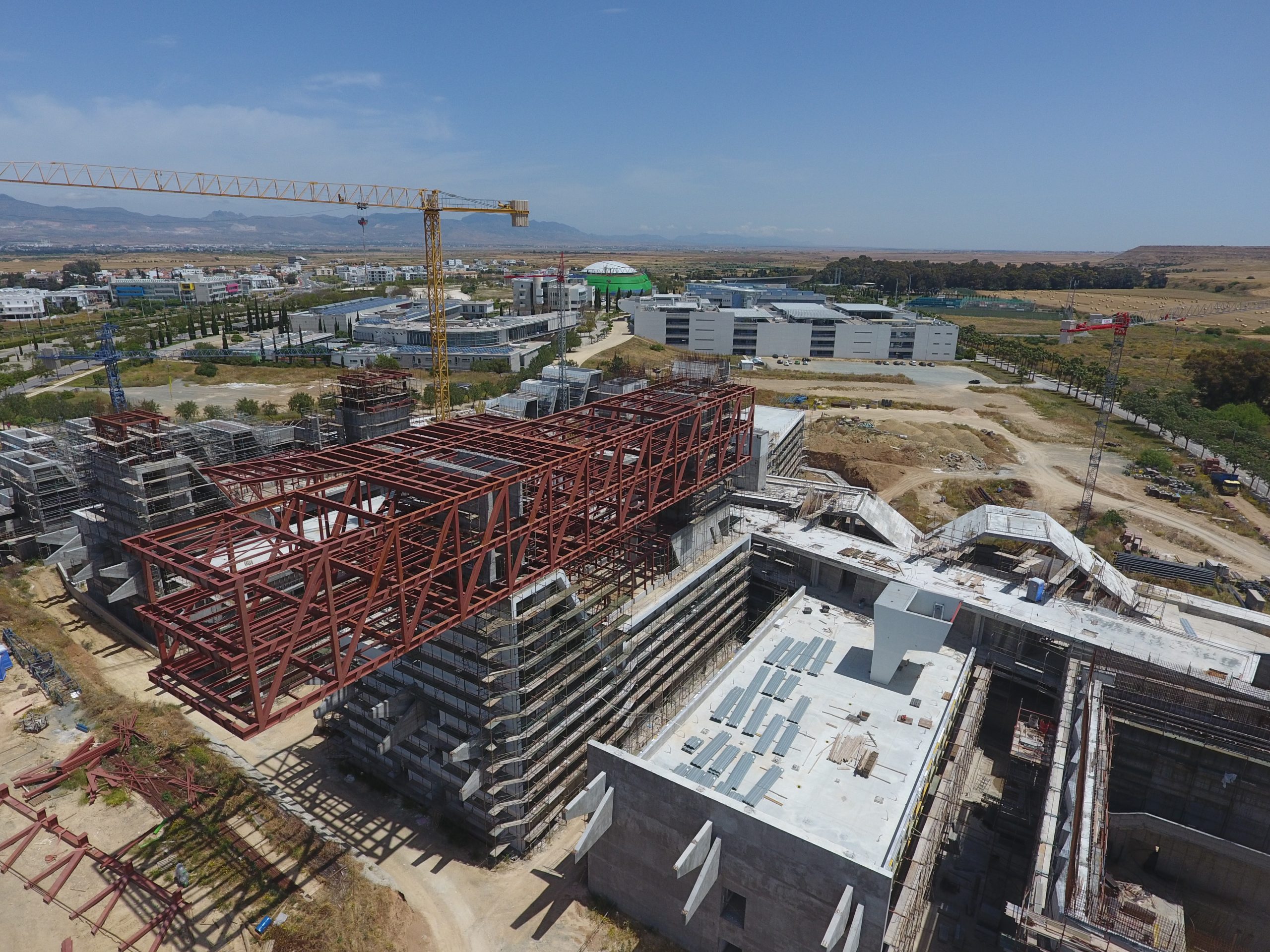
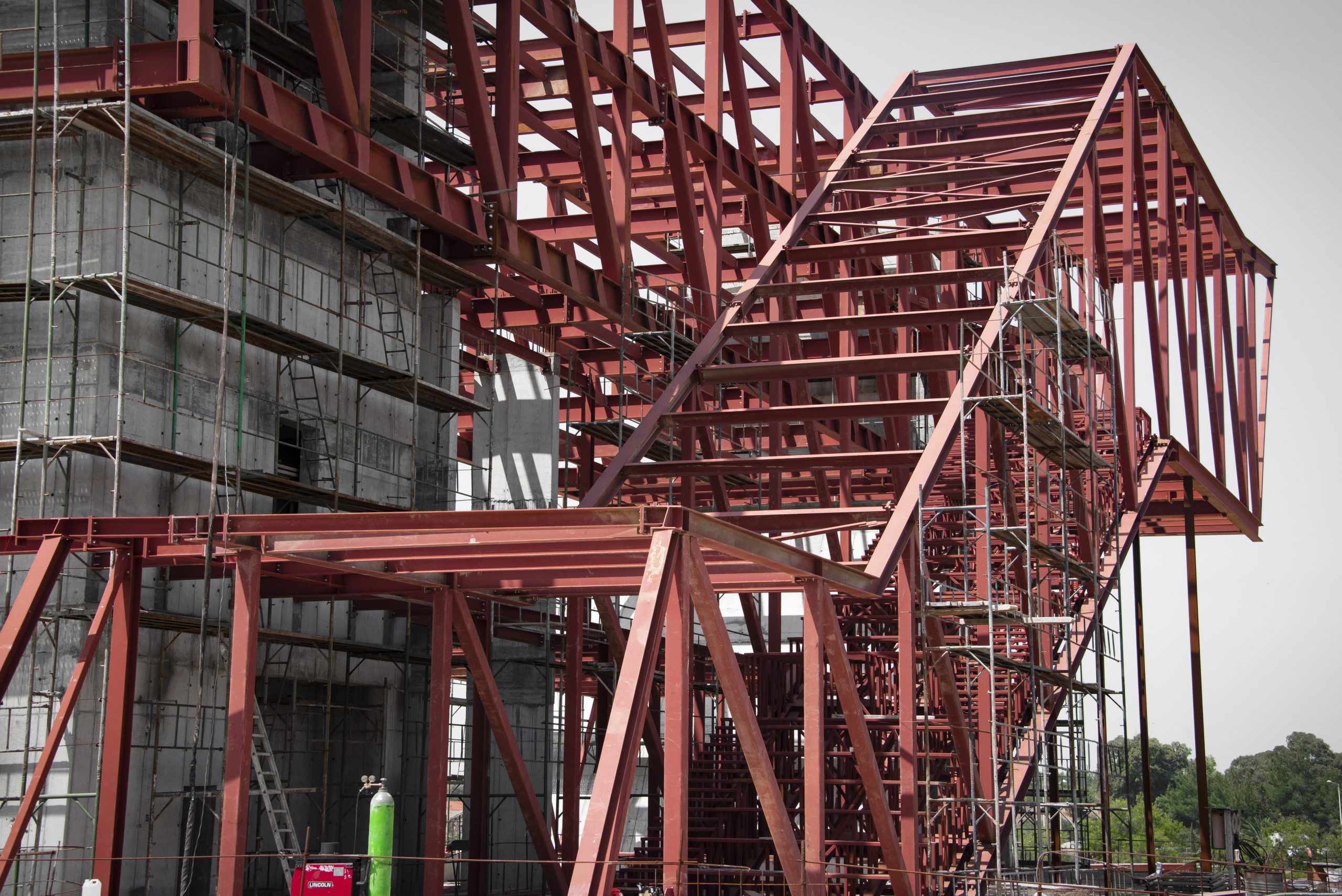
The entire complex is supported by a reinforced concrete frame and, in certain building units, by a mixed system of concrete and steel load-bearing structures. Foundation slabs, where required, rest on piles, while in the “towers” housing the Departments’ office spaces, seismic isolators are used to absorb seismic energy.
The central heating and cooling system minimizes energy needs. Full air conditioning is provided, with air renewal in gathering spaces and fan coil unit systems in smaller rooms. The air conditioning system is connected to the central system of the university campus and employs modern energy-saving methods, further supported by the geothermal system developed mainly beneath the foundation slab.
From an energy perspective, the majority of the buildings achieve Category A and, under certain conditions, Category A+, taking into account the integration of renewable energy sources available for the facilities.
When Art Meets Engineering
The artwork “Geometric Planes” by the Cypriot sculptor Dimitris Constantinou (1924–2010)
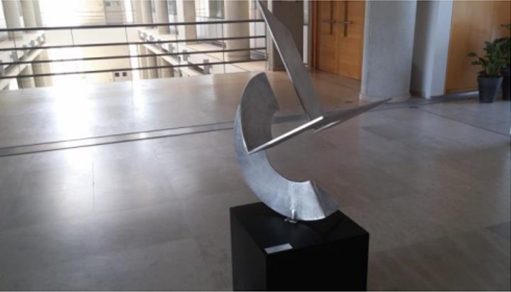
The artwork “Geometric Planes”, a donation from the family of Cypriot sculptor Dimitris Constantinou (1924–2010), will adorn the new buildings of the Faculty of Engineering. The piece, made of stainless steel, was officially handed over to the University of Cyprus during a special ceremony on February 23, 2016, by the artist’s grandson. During the ceremony, he presented, through photographic material, aspects of his grandfather’s character, including his boundless passion for knowledge and his eagerness to share both his knowledge and experiences with those around him. According to him, “geometry is essential in Dimitris Constantinou’s art, which is why the family is delighted that this work will grace the Faculty of Engineering at the University of Cyprus.”
Dimitris Constantinou is considered one of the most important Cypriot sculptors of the 20th century. He was born in Alexandria, Egypt, in 1924 to Greek Cypriot parents and passed away in 2010. He studied at the Italian Technical School Don Bosco and was active in Cyprus from 1950 until 1974. After the war, he divided his time between Athens and Cyprus. Most of his works employed materials such as metal, iron, black iron, and stainless steel. Among his distinctions was the 2nd prize in sculpture at the 8th Alexandria Biennale in 1970. His works are characterized by a profound sense of movement and protest.
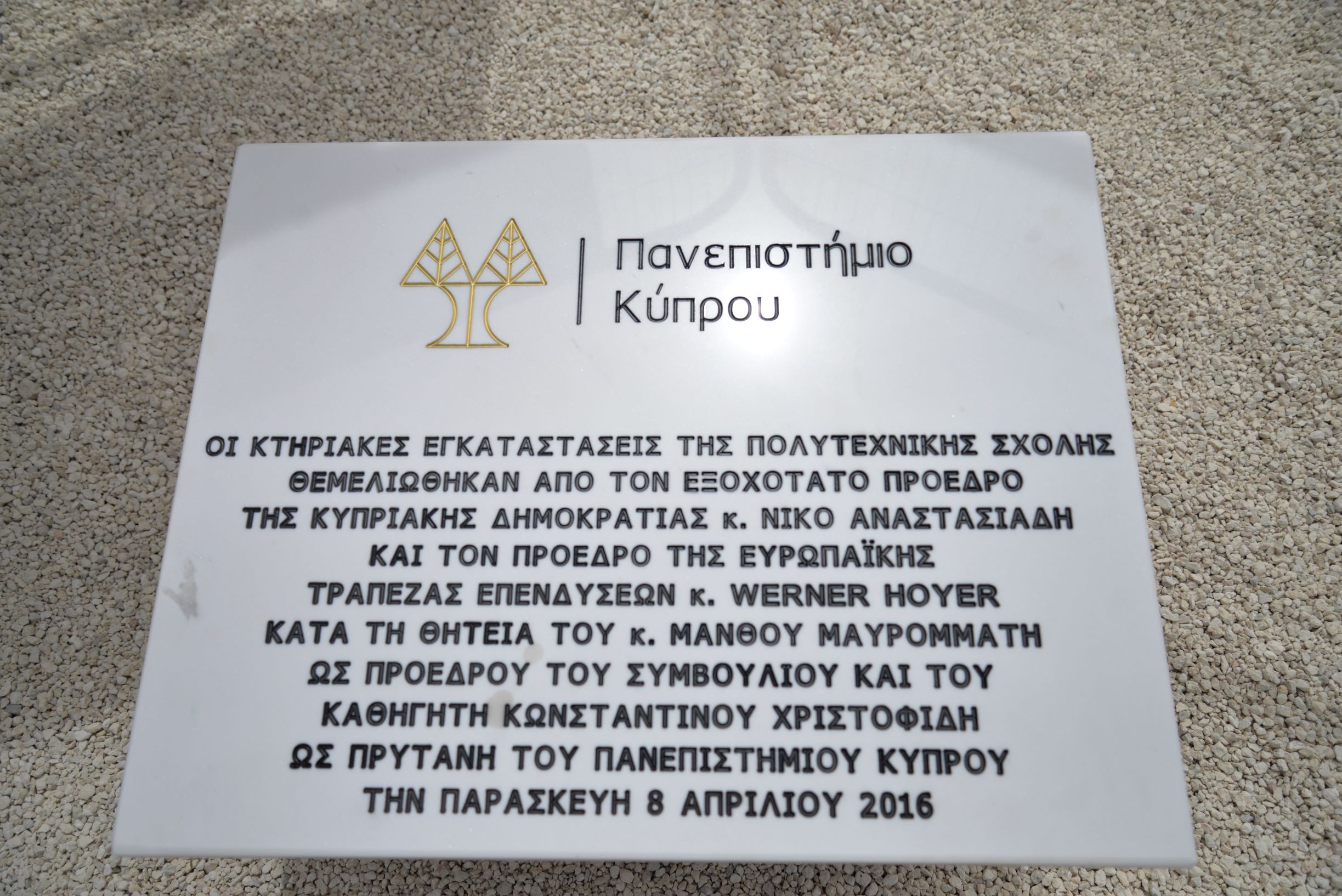
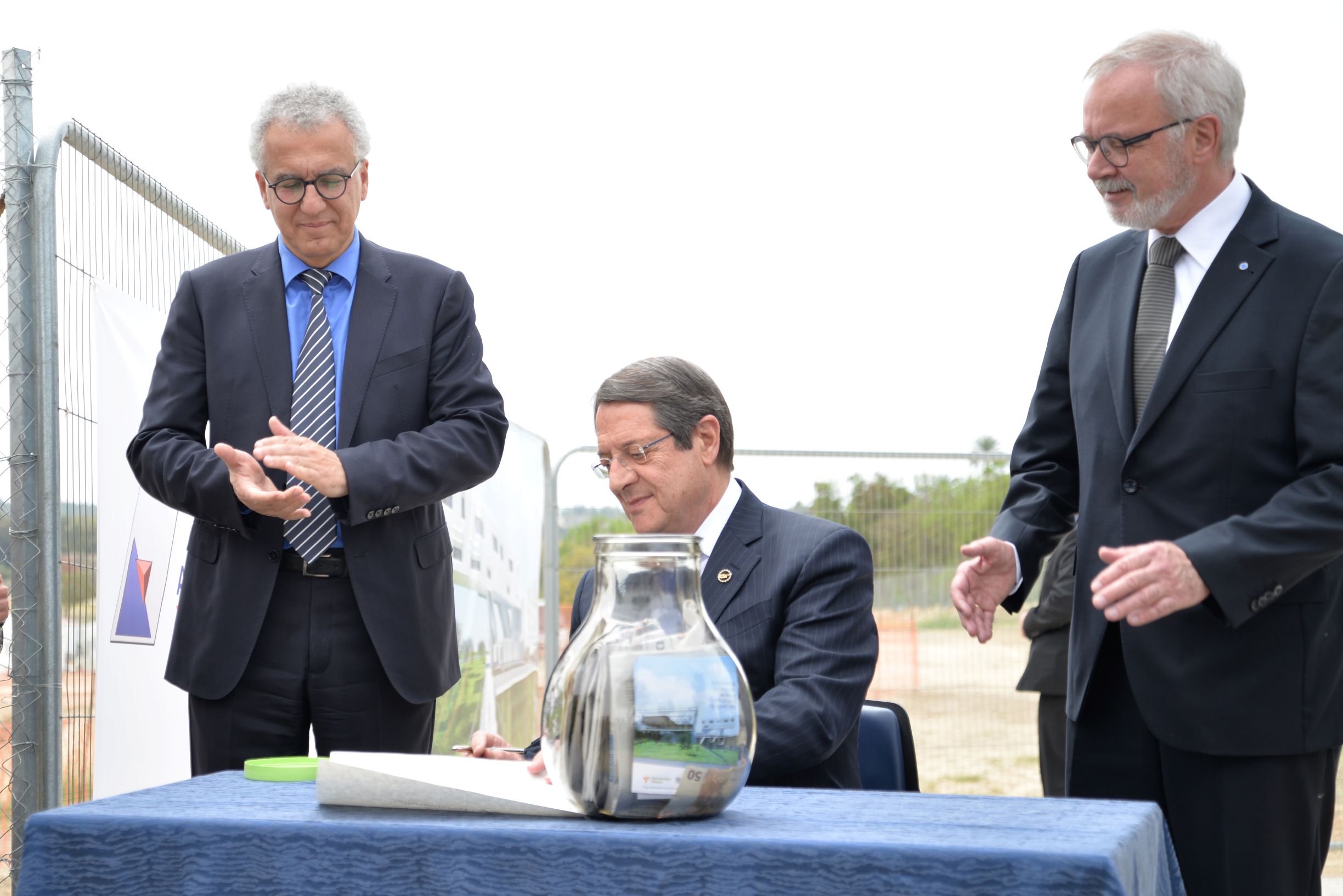
Foundation Stone
-
- DCIM100MEDIADJI_0496.JPG
Last Updated on October 6, 2025