

StoryPharm Blog 9 (April 2026)
explores the evolving authorial voice in middle and late Byzantine literature, focusing on how narratives of disease, pain, and suffering shaped expressions of authority, identity, and self-representation. Through examples ranging from historiography to medical and epistolary texts, the blog examines pathography and autopathography as sites where authors negotiate presence, expertise, and emotional experience.
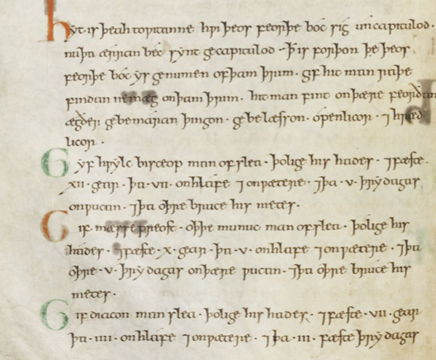
StoryPharm Blog 8 (February 2026) examines how medieval Christian penitential texts classified male-male acts through moral and theological language. By analysing terms such as contra naturam and the use of illness metaphors, the blog reveals how desire was regulated, framed, and made intelligible within a structured moral order.

StoryPharm Blog 7 (January 2026)
Can storytelling heal – or can it wound? Drawing on the ancient concept of pharmakon, which signifies both cure and poison, this StoryPharm Blog post reimagines narrative as a powerful force in the history of medicine and gender. From Plato and Derrida to feminist critiques of medical epistemology, Pavla Araudo explores how stories about women’s bodies have shaped health, inequality, and collective memory across centuries. By reframing premodern healing narratives, StoryPharm proposes storytelling itself as a restorative practice – an antidote to silence, exclusion, and biased medical histories.
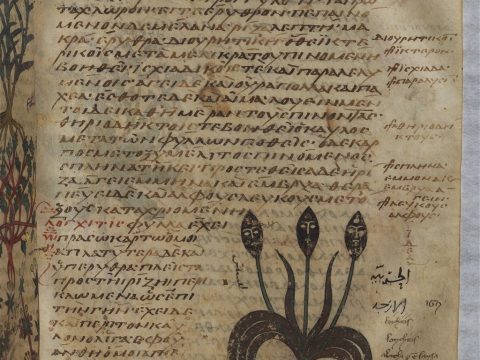
StoryPharm Blog 6 (November 2025)
Sofia Bazzoni (University of Bamberg) traces the evolution of medicalisation from medieval diagnosis to monastic herbals and their visual codes. Drawing on the Old Paris Dioscorides and other illustrated manuscripts, she explores how botanical images bridge medicine, art, and faith—revealing a dynamic interplay between visual discourse, healing, and authority. Herbals emerge as discursive objects where body, word, and image converge to narrate the intertwined histories of knowledge and care.
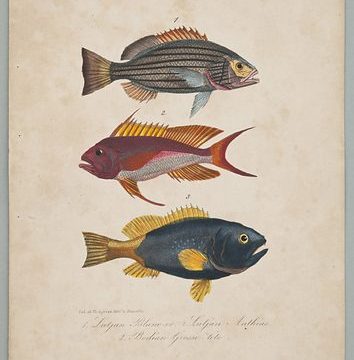
StoryPharm Blog 5 (October 2025)
Elena Schoretsaniti (Lund University) investigates the Kyranides, a late antique treatise on medical magic, as a polyphonic text where medicine, ritual, and language converge. Through the lens of James Paul Gee’s concept of social languages, she reveals how scientific, magico-religious, popular, and anecdotal registers coexist to communicate authority and healing. Addressing both mental illness and cosmetics, the study shows how the Kyranides speaks in multiple voices—of physician, priest, and storyteller—where words themselves become remedies that heal both mind and body.
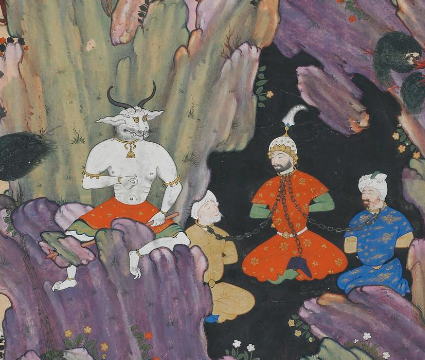
StoryPharm Blog 4 (September 2025)
Sharareh Ashouri (Cardiff University) examines how illness, healing, and power intertwine in Ferdowsi’s Shahnameh. Drawing on Zoroastrian sources and Critical Discourse Analysis, this study reveals how episodes such as Kay Kāvus’s blinding and Zahhāk’s serpentine curse transform bodily affliction into a metaphor for political disorder and cosmic imbalance, where healing restores not only the body but also the realm.
StoryPharm Blog 3 (August 2025)
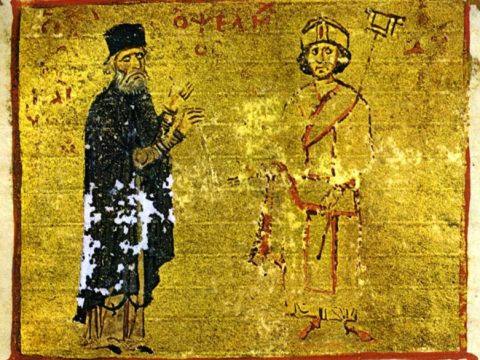
Exploring how Byzantine chroniclers like Psellos, Attaleiates, and Komnene concealed meaning through intertextuality and rhetoric. This study applies discourse analysis to uncover how Byzantine authors built authority, navigated power, and expressed unorthodox views beneath the surface of their texts.
![[i]Treatise on Herbs[/i] ([i]Tractatus de herbis[/i], 13th/14th c. Italy) Egerton 747 (f. 12r), British Library, London](https://www.ucy.ac.cy/storypharm/wp-content/uploads/sites/316/2025/07/blog2.jpg)
StoryPharm Blog 2 (July 2025)
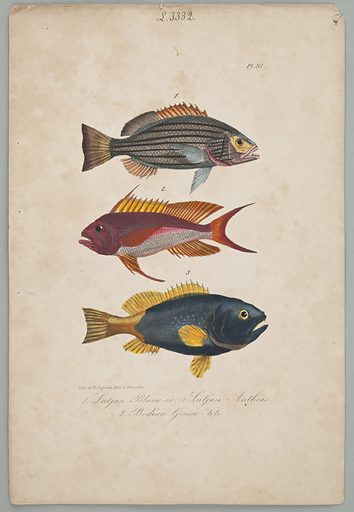
Is a pharmakon a cure or a poison, or both? In this post, StoryPharm doctoral fellows unpack the layered meanings of the term across history, medicine, and storytelling. From medieval herbals and healing rituals to Derrida’s reflections on language and trust, they explore the pharmakon as remedy, narrative, and cultural force.





StoryPharm Blog 1 (June 2025)
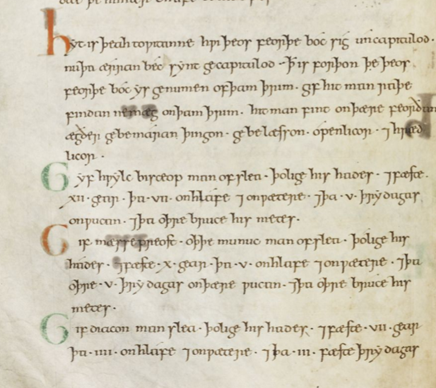
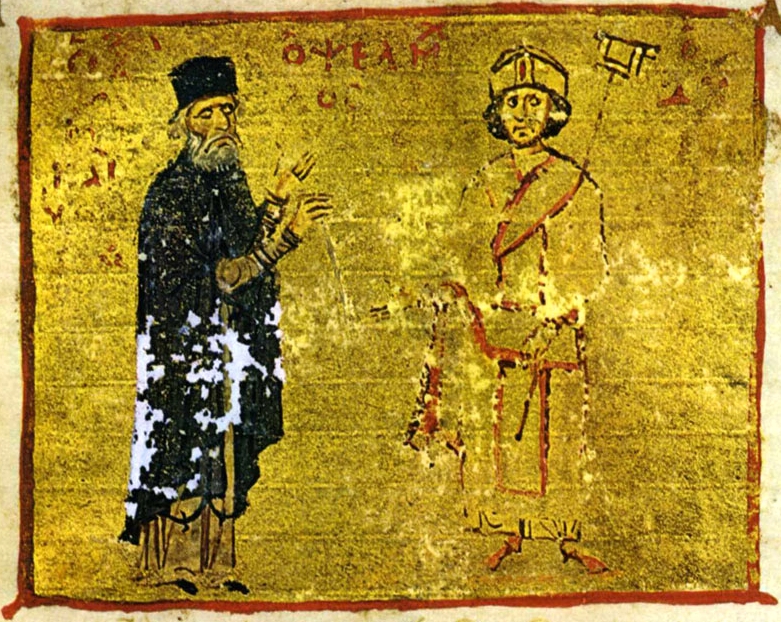
How was suffering understood in the Middle Ages, and why does it matter today? In this first collective blog post by StoryPharm doctoral fellows, it is explored how pain, illness, and healing were conceptualised across time, cultures, and media. Drawing on texts, images, and rituals, they investigate how language gives shape to suffering, and how stories can heal.
Last Updated on October 30, 2025