
- 1. STRENGTH OF MATERIALS LABORATORY
- 2. LAND SURVEYING LABORATORY
- 3. LEDRA AND BUILDING MATERIALS LABORATORIES
- 4. GAIA - LABORATORY OF ENVIRONMENTAL AND ENGINEERED WATER PROCESSES & SYSTEMS
- 5. GEOMECHANICS LABORATORY
- 6. EUPALINOS - CONSTRUCTION ENGINEERING AND WATER DISTRIBUTION NETWORKS MANAGEMENT LABORATORY
- 7. CONCRETE TECHNOLOGY AND STRUCTURES LABORATORY
- 8. ENVIRONMENTAL FLUID MECHANICS LABORATORY
- 9. EARTHQUAKE ENGINEERING LABORATORY
- 10. LAB FOR TRANSPORT ENGINEERING
- 11. ENVIRONMENTAL BIOTECHNOLOGY LABORATORY
- 12. STEEL STRUCTURES LABORATORY
- 13. ARCHIMEDES RESEARCH CENTER FOR STRUCTURAL AND CONSTRUCTION TECHNOLOGY
- 14. LABORATORY OF ASPHALT MATERIALS
Location: POL05 Β303
The objective of the Strength of Materials Laboratory is to support the relevant research and teaching needs of the faculty members of the Department of Civil and Environmental Engineering. The Laboratory is equipped with a 300 kN Materials Testing Machines, manual test stands, hardness testers, a torsion apparatus, microscopes, ovens, furnaces and equipment for the preparation of specimens.
Location:POL05 Β407
Laboratory equipped with Automatic Levels, Total Stations and a GPS. Used in the teaching of second semester course CEE 113 Land Surveying.
Location:POL05 Β301-302, B306-308, Β401, Β403
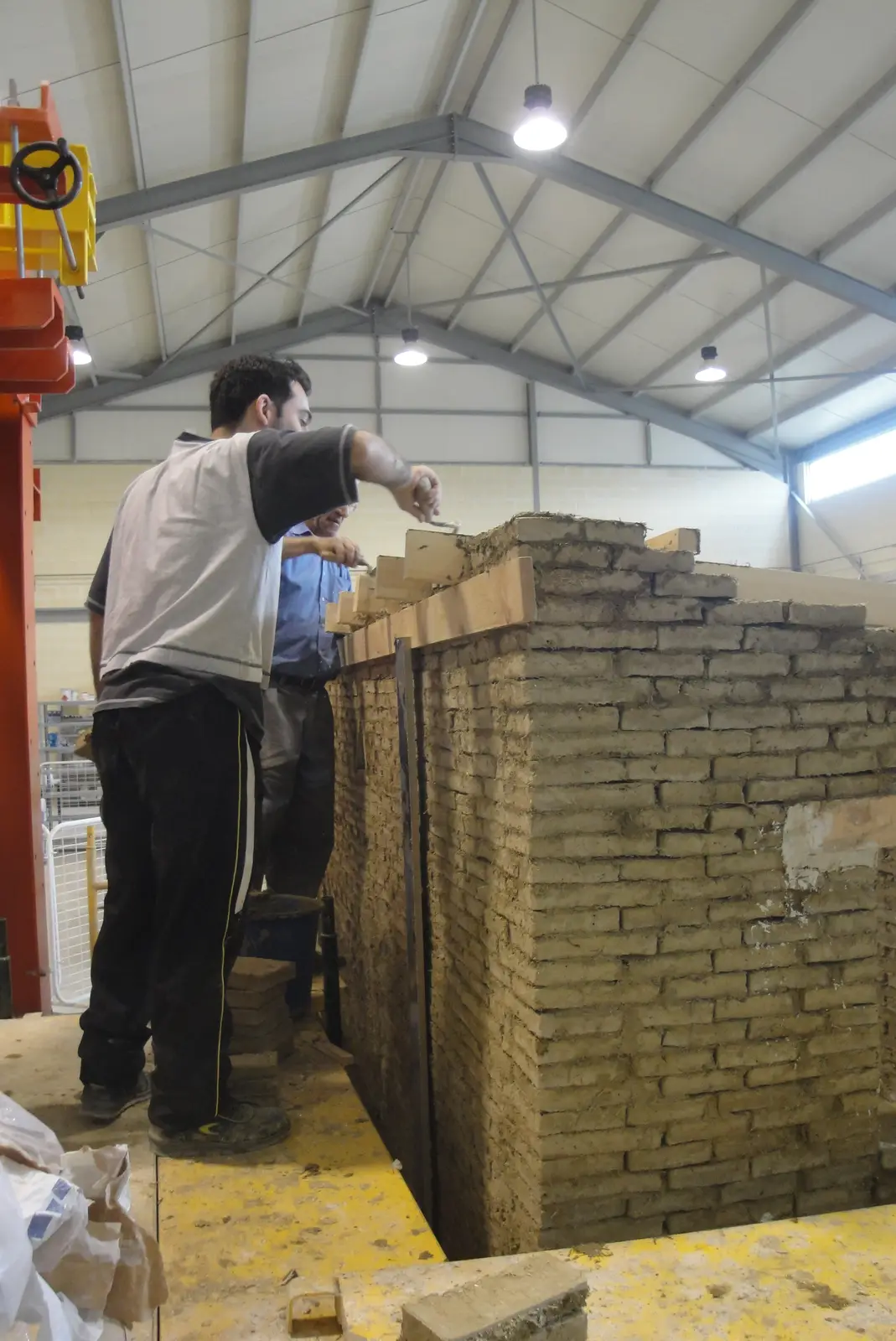
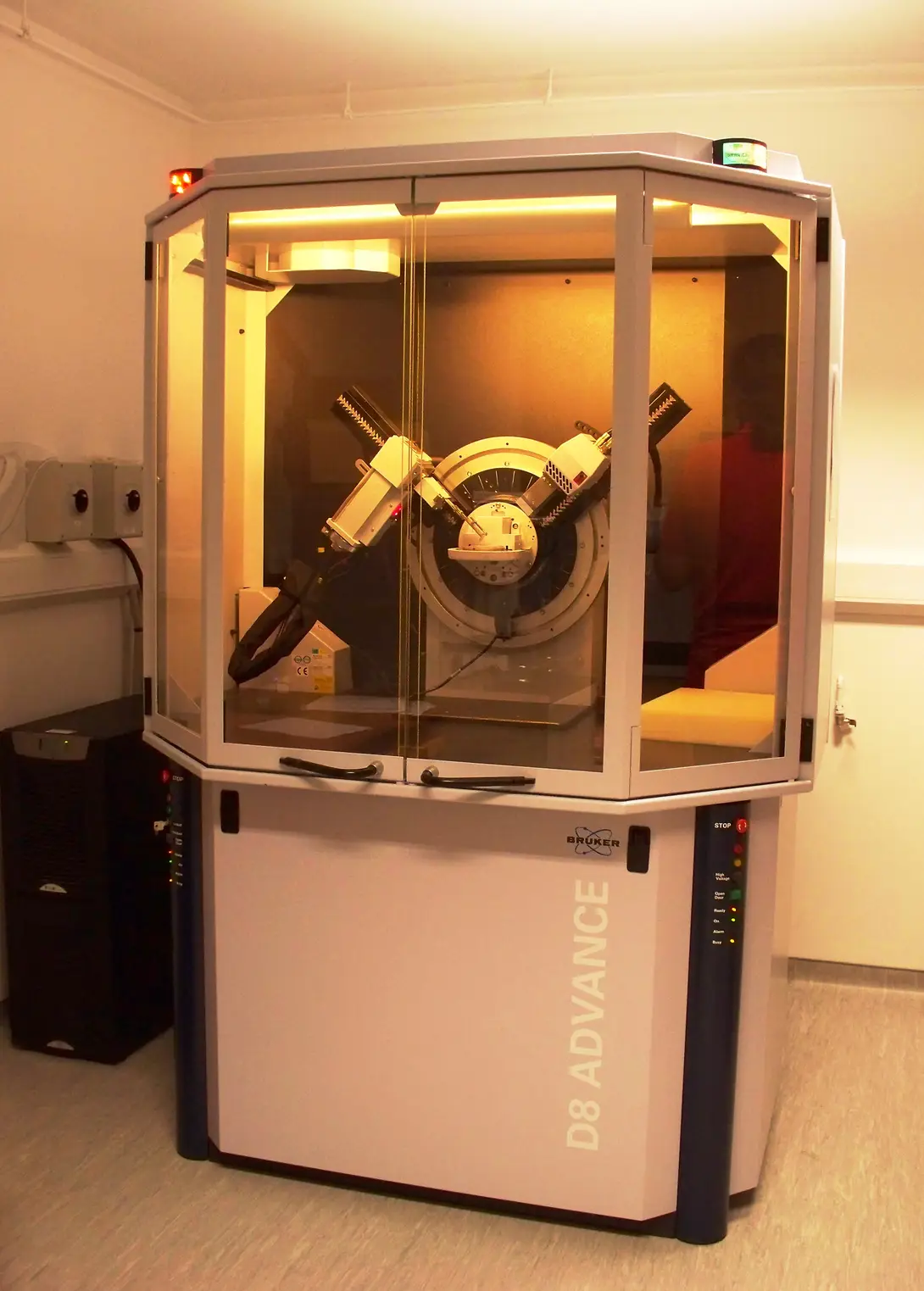
Laboratory fully equipped to EN Standards. Supports the research and teaching needs of the faculty members of the Department of Civil and Environmental Engineering, in the area of Geomaterials. Ongoing research activities in the laboratory include the design and application of lime mortars for restoration works, based on the characterization of ancient mortars, the analytical investigation of self-compacting concrete flow, the characterisation of local aggregates and stones and studies of liquid movement in porous media, with applications in the durability of building materials.


Location:POL05 Β207, B304, B305, B308
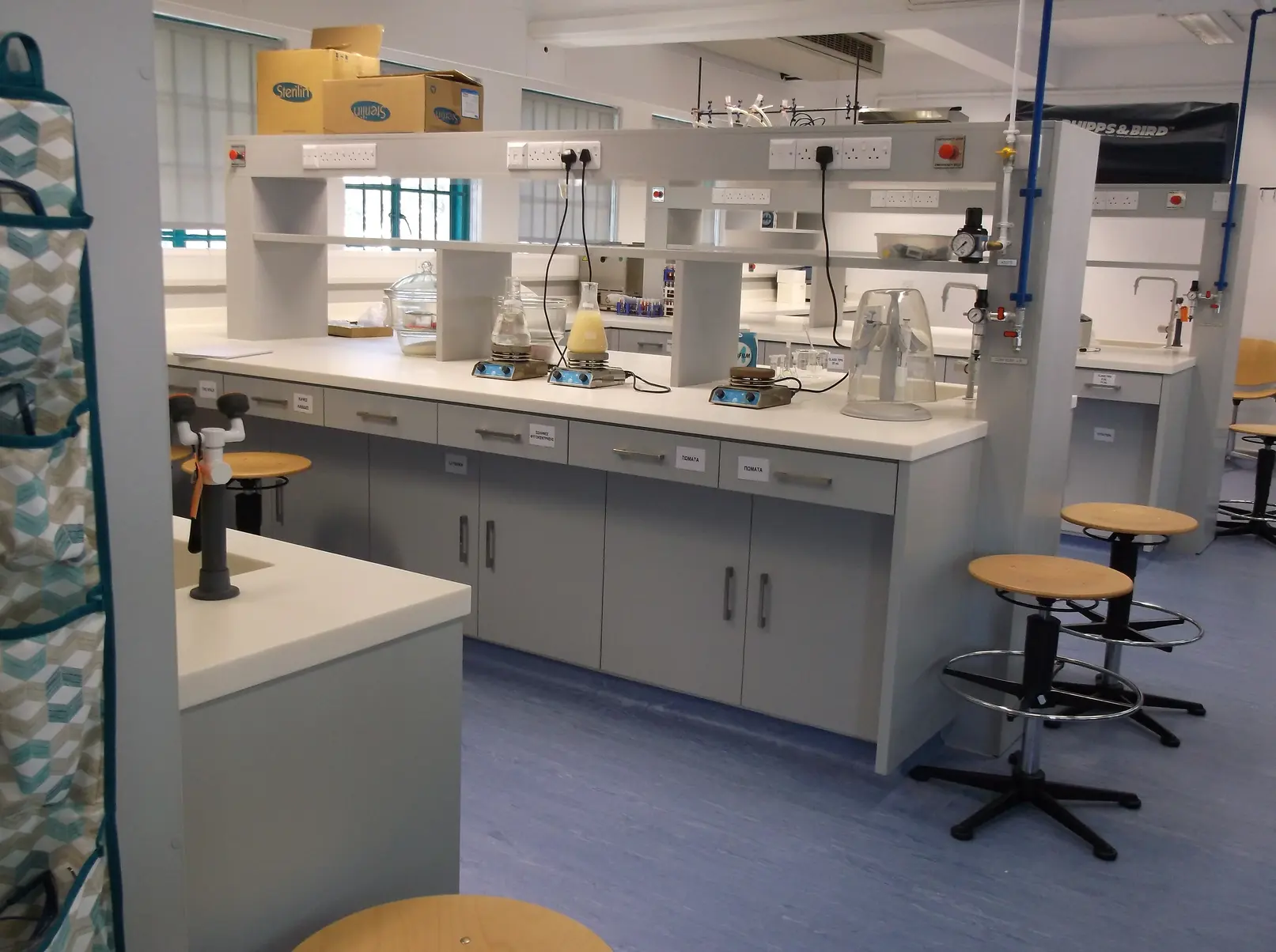
The Laboratory of Environmental Engineering, GAIA, supports the teaching and research needs of the Department in the areas of water and wastewater analysis and treatment.
Teaching activities:
– CEE 480 Labs: Experimental analysis related to the evaluation of water and wastewater quality characteristics
– CEE 585 Labs: Experimental methods in water / wastewater characterization and treatment
Research activities:
In the past, research on the effects of chemical pollution of the environment has focused almost exclusively on conventional "priority" pollutants. However, there have been growing concerns related to the hypothesis that various chemicals may exhibit endocrine disrupting effects. This is due to increased incidences of endocrine-related diseases in humans, including declining male fertility, and more significantly, to adverse physiological effects observed in wildlife where cause and effect relationships are more evident. The research group of GAIA consisting of students and researchers with background in Chemistry, Biology, Chemical and Environmental Engineering works in the field of xenobiotics, i.e. pesticides and pharmaceuticals in waters and wastewaters and more specifically with their determination in nano-concentrations, the assessment of their toxicity, and the development and application of advanced oxidation methods for their degradation or mineralization. In addition other biological methods are developed for the treatment of various other streams. Other ongoing research activities include the monitoring of environmental pollution by non-point pollution sources and the modeling of anaerobic co-digestion of animal waste and other industrial bio-waste.


Location:POL05 Β305
The Geomechanics Laboratory is equipped with a triaxial apparatus, a direct shear apparatus, consolidometers, constant and falling head permeameters, and all the necessary equipment for carrying out soil classification and compaction tests. The triaxial apparatus is capable of performing tests on partially saturated soil specimens by controlling matric suction through an advanced air pressure/volume controller. The laboratory serves the teaching and research needs of the Department of Civil and Environmental Engineering in the area geotechnical engineering.

Location: POL04 Β110
EUPALINOS is a laboratory of construction engineering and of urban water distribution networks (UWDN) management, focused on scientific and industrial research pertaining to construction engineering and to the sustainable management of UWDN. The EUPALINOS Lab is affiliated with the University of Cyprus's Department of Civil and Environmental Engineering and with the Nireas International Water Research Center (Nireas-IWRC), it is coordinated by Dr. Symeon Christodoulou and has been the host of several nationally and internationally funded research projects. Such projects relate to the areas of Construction Engineering and Management, Urban Water Distribution Networks and Transportation.
Website http://www.eng.ucy.ac.cy/schristo/index.html
Location: POL06 Β301
The two–story concrete technology and structural testing laboratory occupies 500 square meters. It is equipped with a 250kN MTS hydraulic actuator, digitally controlled and attached on a self–reacting steel frame. Large and small–scale structural components and structural systems can be tested under static and dynamic loading conditions using this apparatus. The laboratory is also equipped with mixers, concrete testing frames and equipment for the testing of self compacting concrete in the fresh state.
Location: POL04A Β307
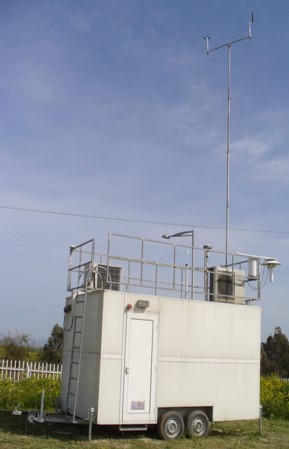
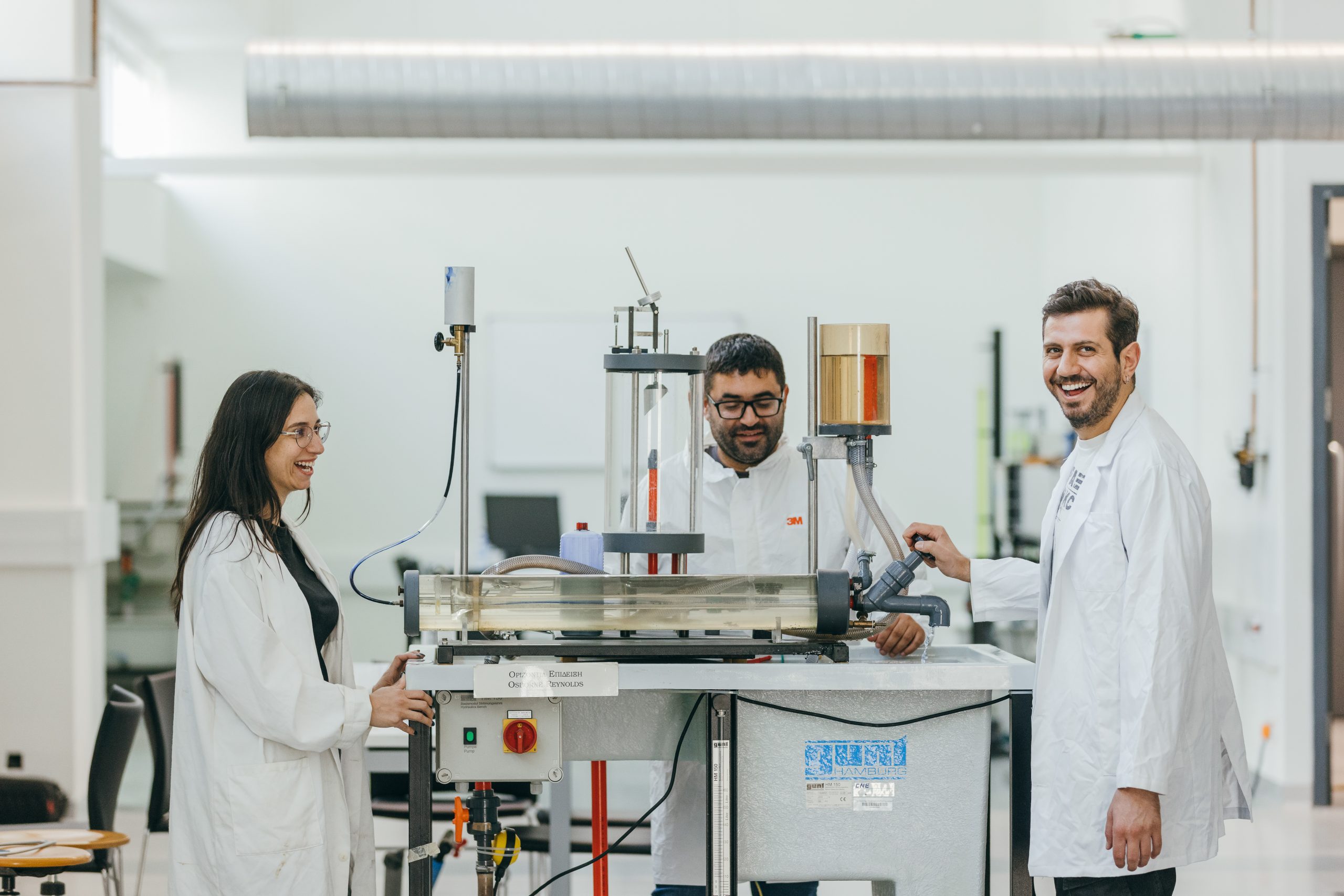
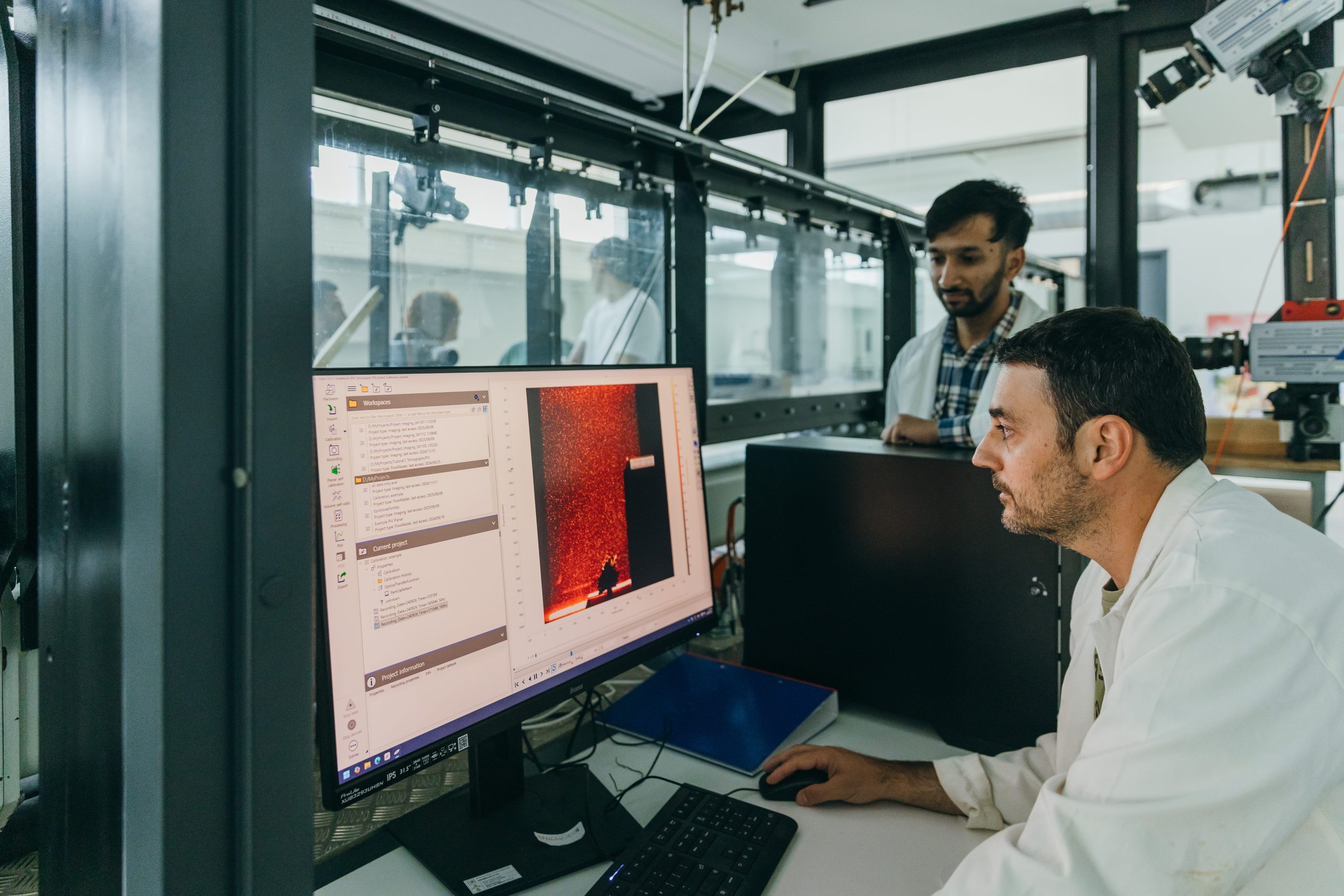
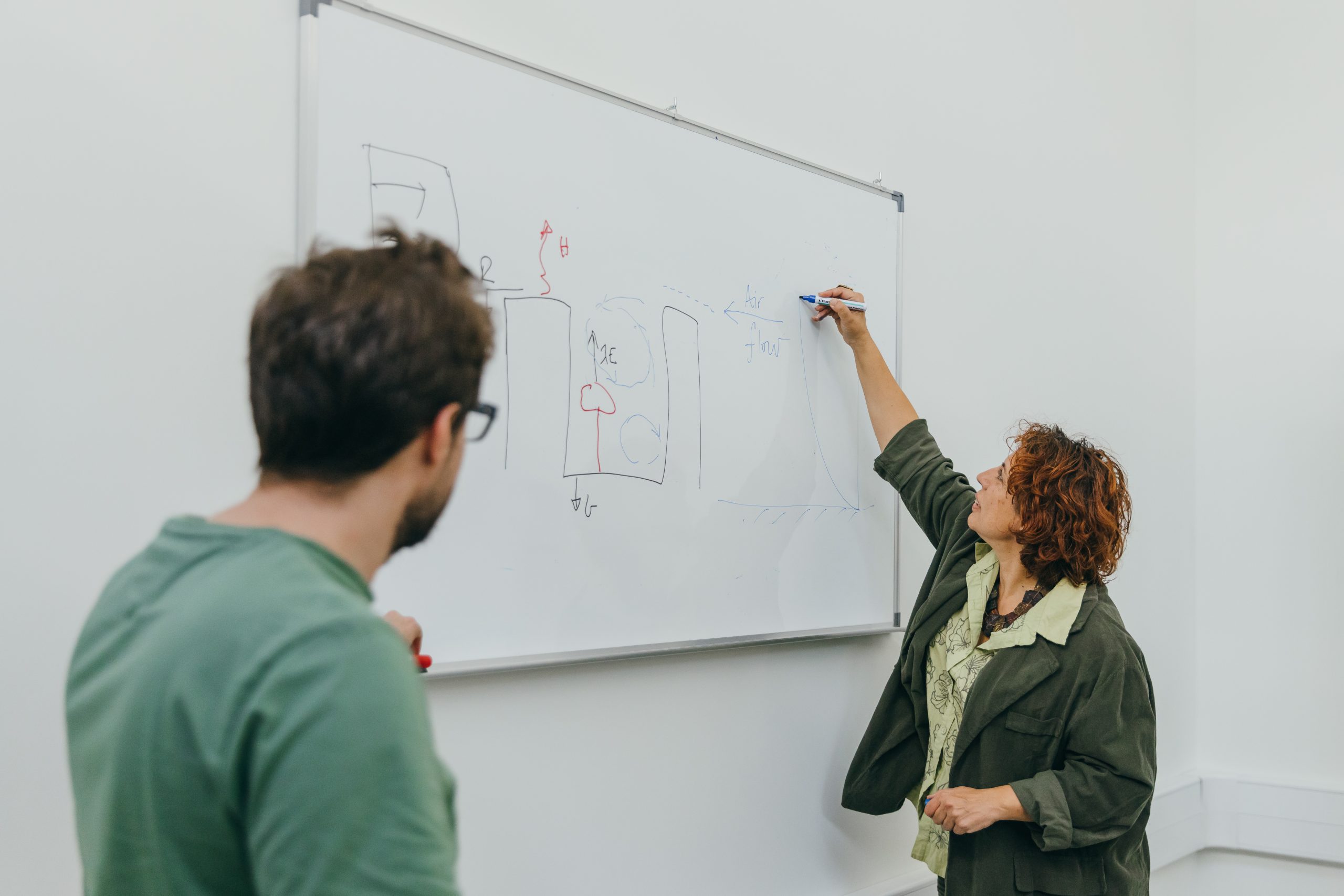
Environmental Fluid Mechanics Laboratory supports teaching and research needs of the CEE Department in the areas of urban air pollution dispersion, turbulence modeling, channel flows, buoyancy-driven flows/ gravity currents, building ventilation, wind engineering, and coastal flows.
Website https://efml.ucy.ac.cy/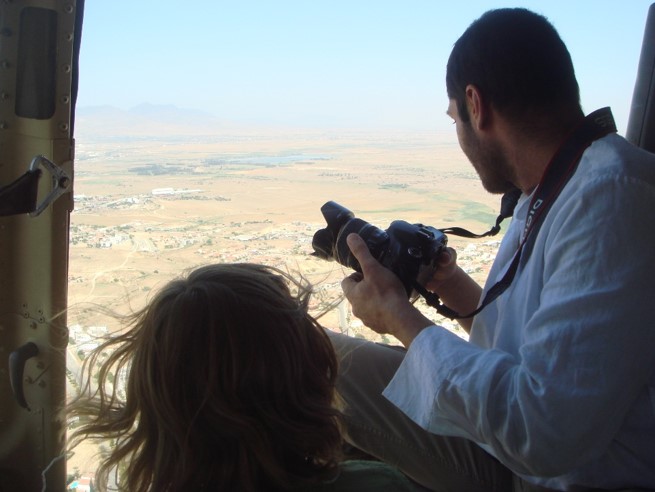
Location: POL06 Β301
The socio-economic impact of a devastating earthquake can be felt in our region for years to come. Civil structures and infrastructure can become "killers" during a severe seismic event, unless they are properly designed, procured and constructed. The only sensible defense against major earth tremors is respecting design codes, aseismic techniques and quality construction practices, while advancing our knowledge and know-how on innovative aseismic strategies.
The objective of the Earthquake Engineering Laboratory is to support research for improving the seismic behavior of engineered structures. The high-tech earthquake simulator (or shake table), key feature of the Earthquake Engineering Laboratory, is designed to accurately reproduce an earthquake event and, as such, is ideal for evaluating the performance of structures during earthquake conditions. Shake-table tests will enable researchers to examine and develop structural control strategies and other advanced technologies to improve the seismic performance of bridges, buildings and civil infrastructure.
The Lab for Transport Engineering was created with a vision of producing research of high international caliber, by providing scientific and engineering expertise for tackling real-life challenges and contributing to the achievement of objectives set by Europe. Research in the Lab is wide-ranging and revolves around an inter-disciplinary approach for studying the transportation system as a whole. The Lab has an excellent collaboration with national and international academic and public organizations and strives to become a Research Centre in Transportation that will provide cutting-edge research and solutions for transportation problems. The Lab emphasizes on transportation and operations research with the sole aim of analyzing transport phenomena and systems and introducing new technologies and techniques for the safe, economic, social and environmental design and operation of the transport system both within cities as well as between inter-urban areas.
Website http://www.eng.ucy.ac.cy/transporteng/index.html

Location: POL04 Β303
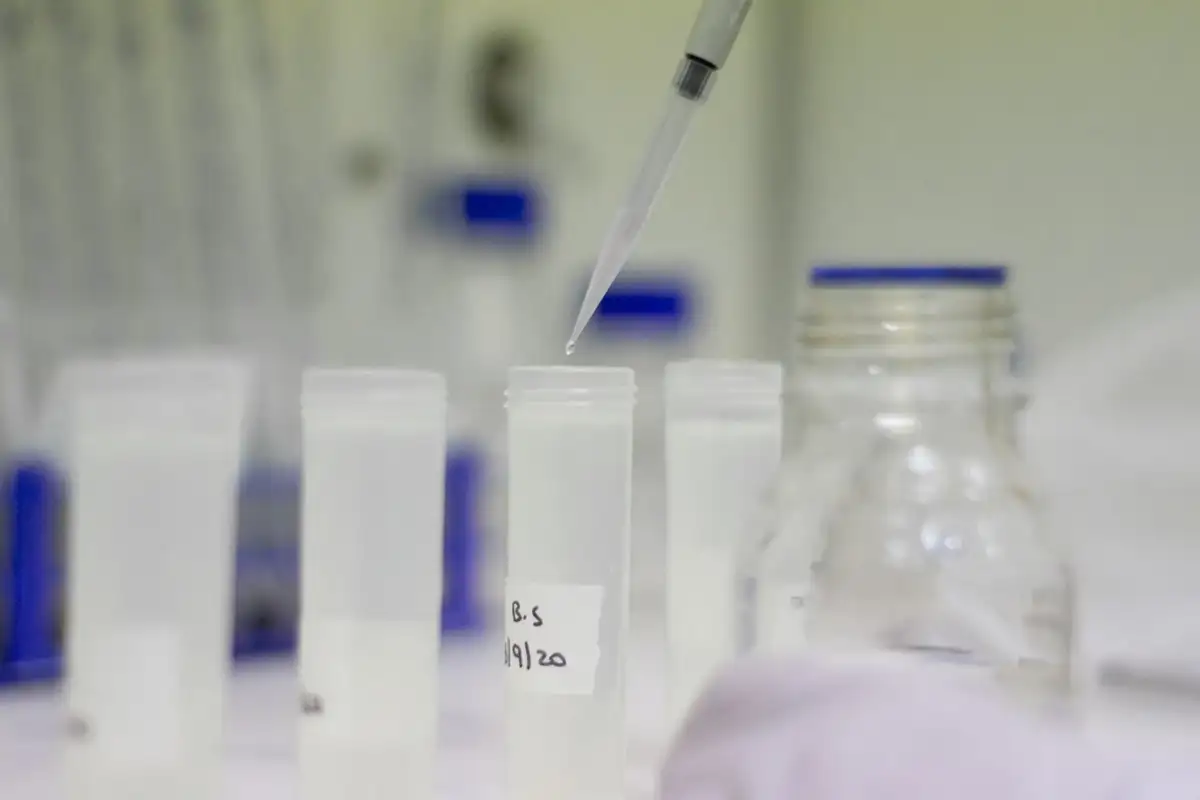
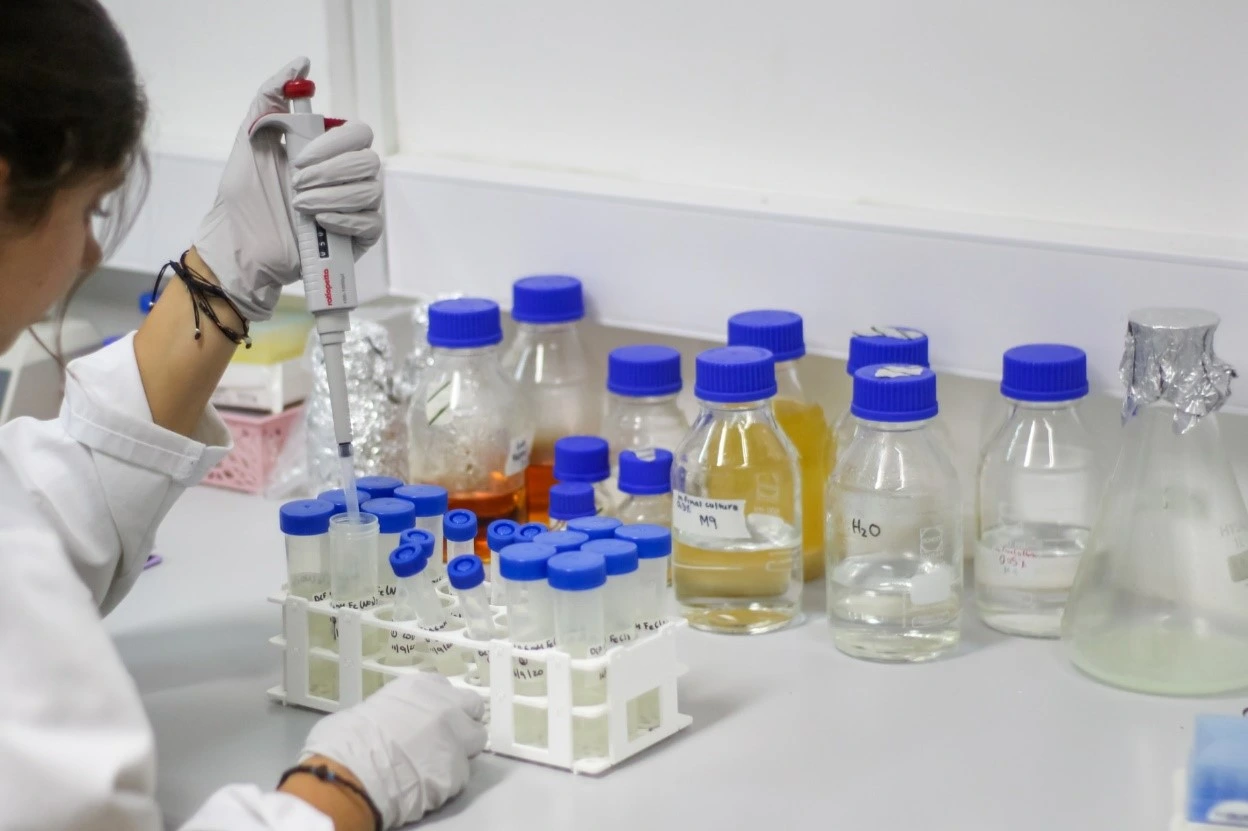
The Laboratory of Environmental Biotechnology (EmBIOSysTech Lab) combats environmental pollution taking advantage of microorganisms' vast properties and capabilities. The microorganisms, which naturally survive among us, are the workhorse of de-pollution due to their ability to consume different types of waste streams decreasing their pollutant load. Simultaneously, this process results in the production of added-value products such as pharmaceuticals, biofuels, electricity, clean water etc. Furthermore, this process leads to cost-effective and environmental-friendly technologies, and effective strategies for sustainability and urbanization. The EmBIOSysTech Lab supports the needs of the Department. The laboratory is fully equipped to support microbial cultures growth, understanding of microorganisms' properties and has the necessary machinery of analytical chemistry.
Location: POL10 Β404 and Kallipoleos Building
Research areas
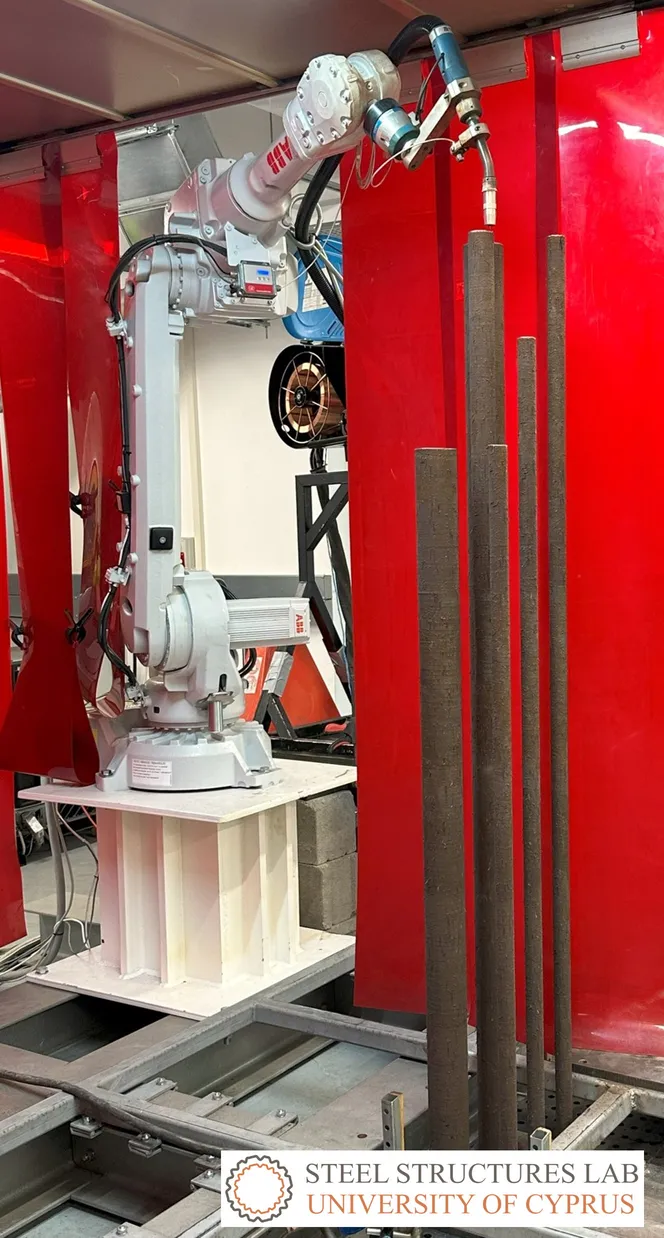
The research activity of the Steel Structures Laboratory is conducted in the following research areas:
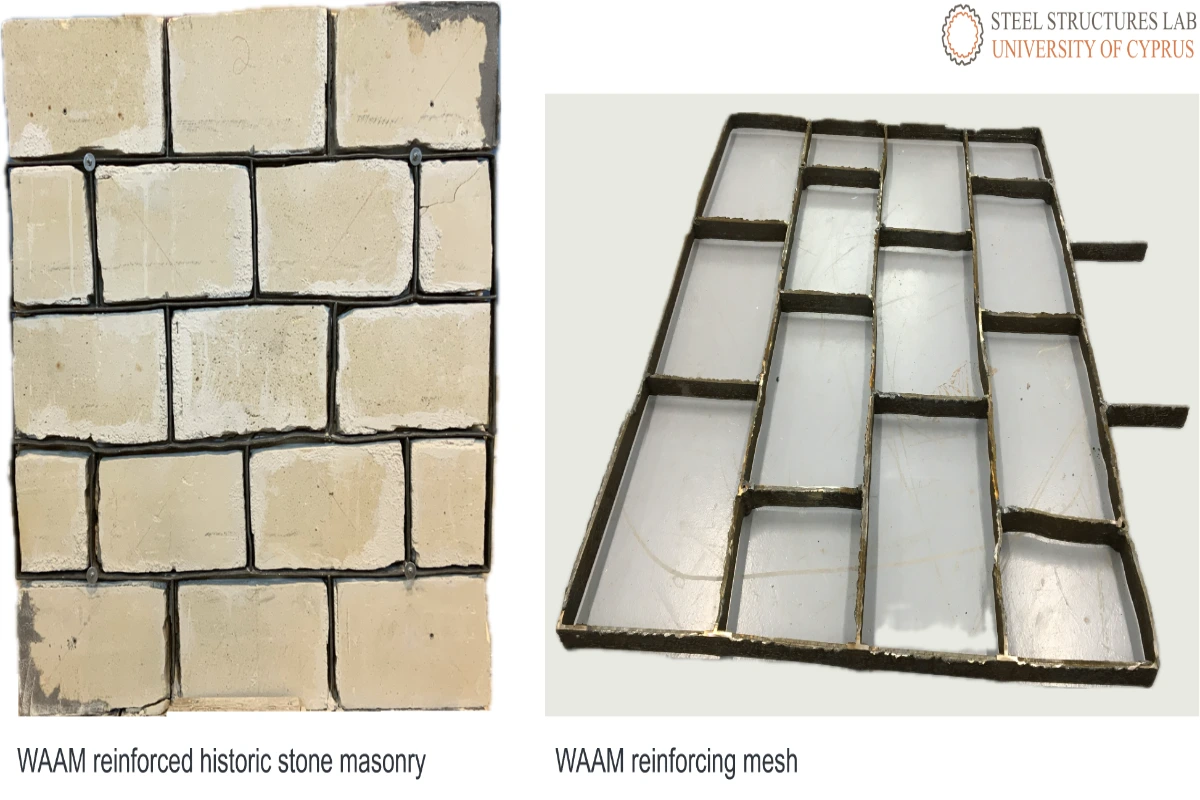
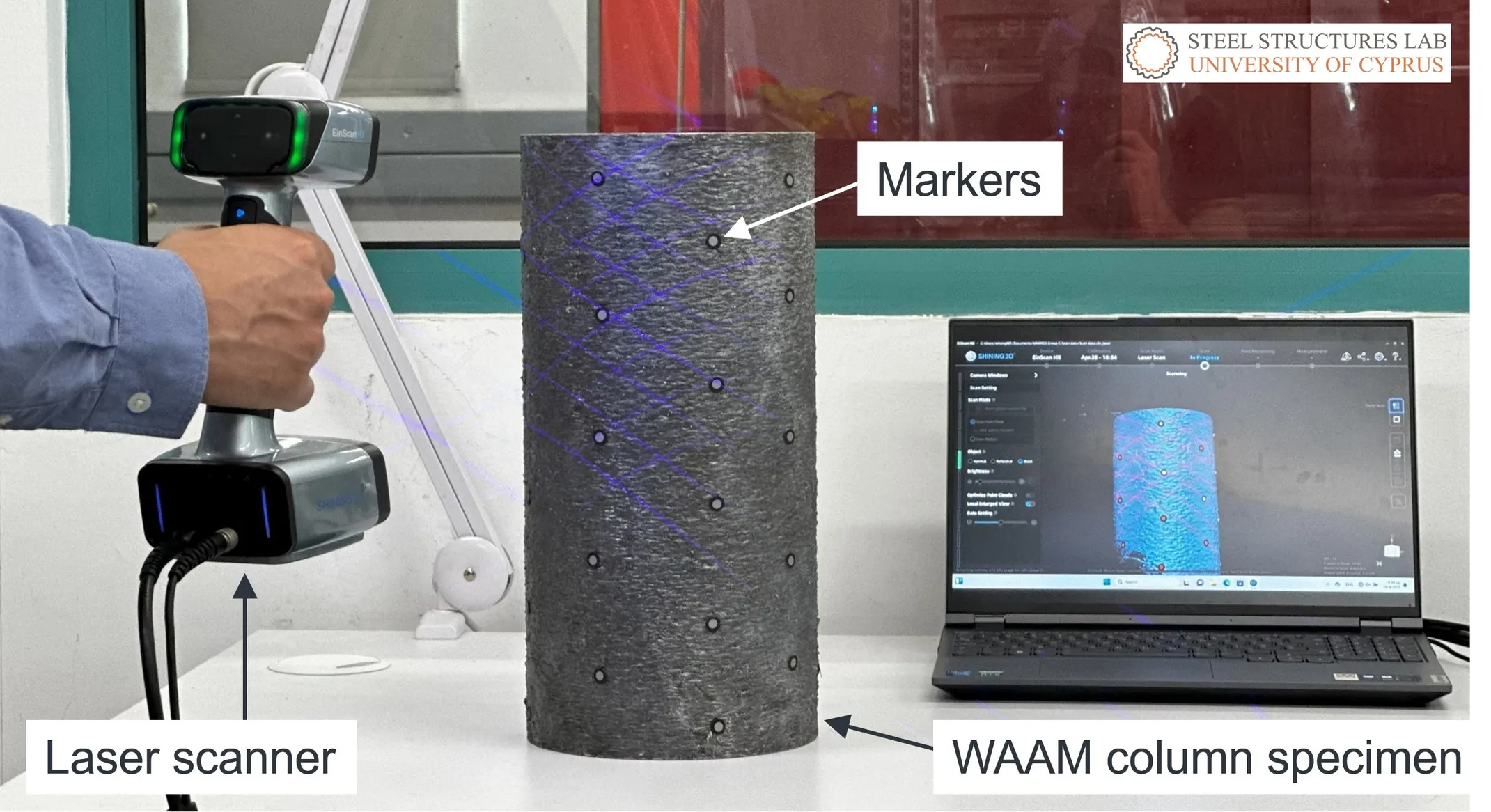
(1) Metal 3D printing – Wire Arc Additive Manufacturing (WAAM)
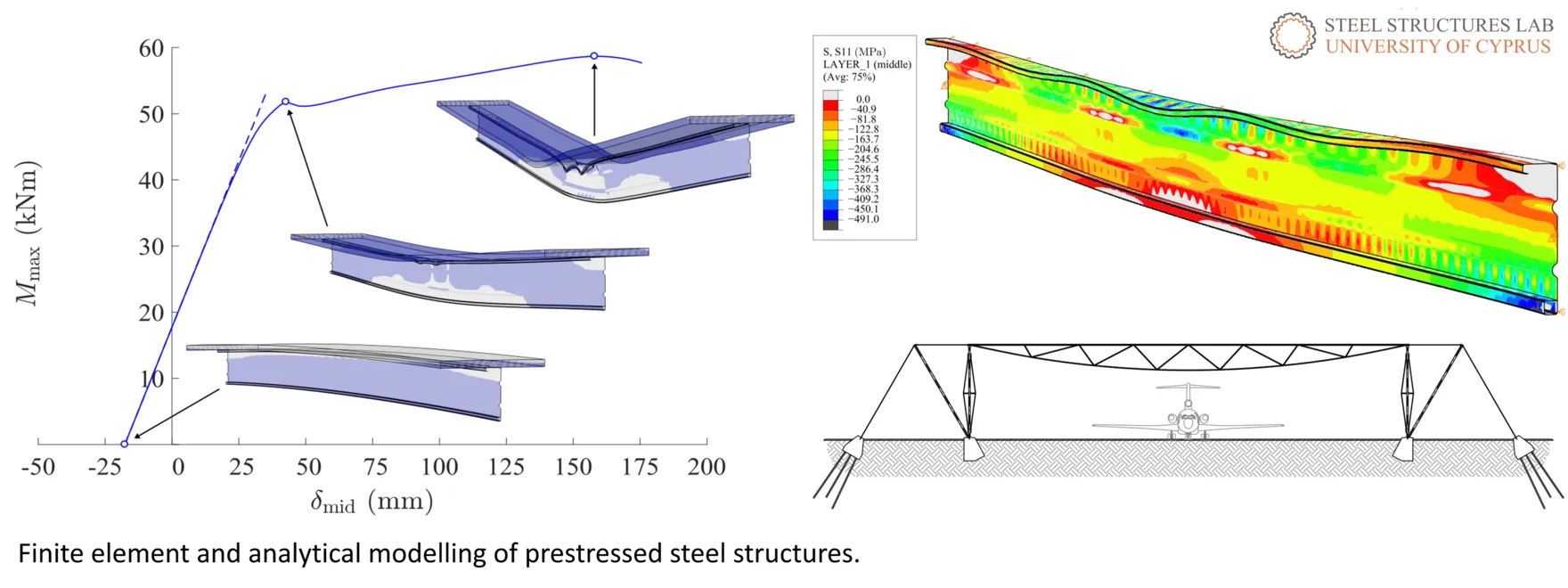
(2) Prestressed steel structures
(3) Cold-formed steel structures
(4) Hot-rolled steel structures
(5) Structural stability
Methodology
To conduct our research activities, the laboratory utilises, among others, the following methods:
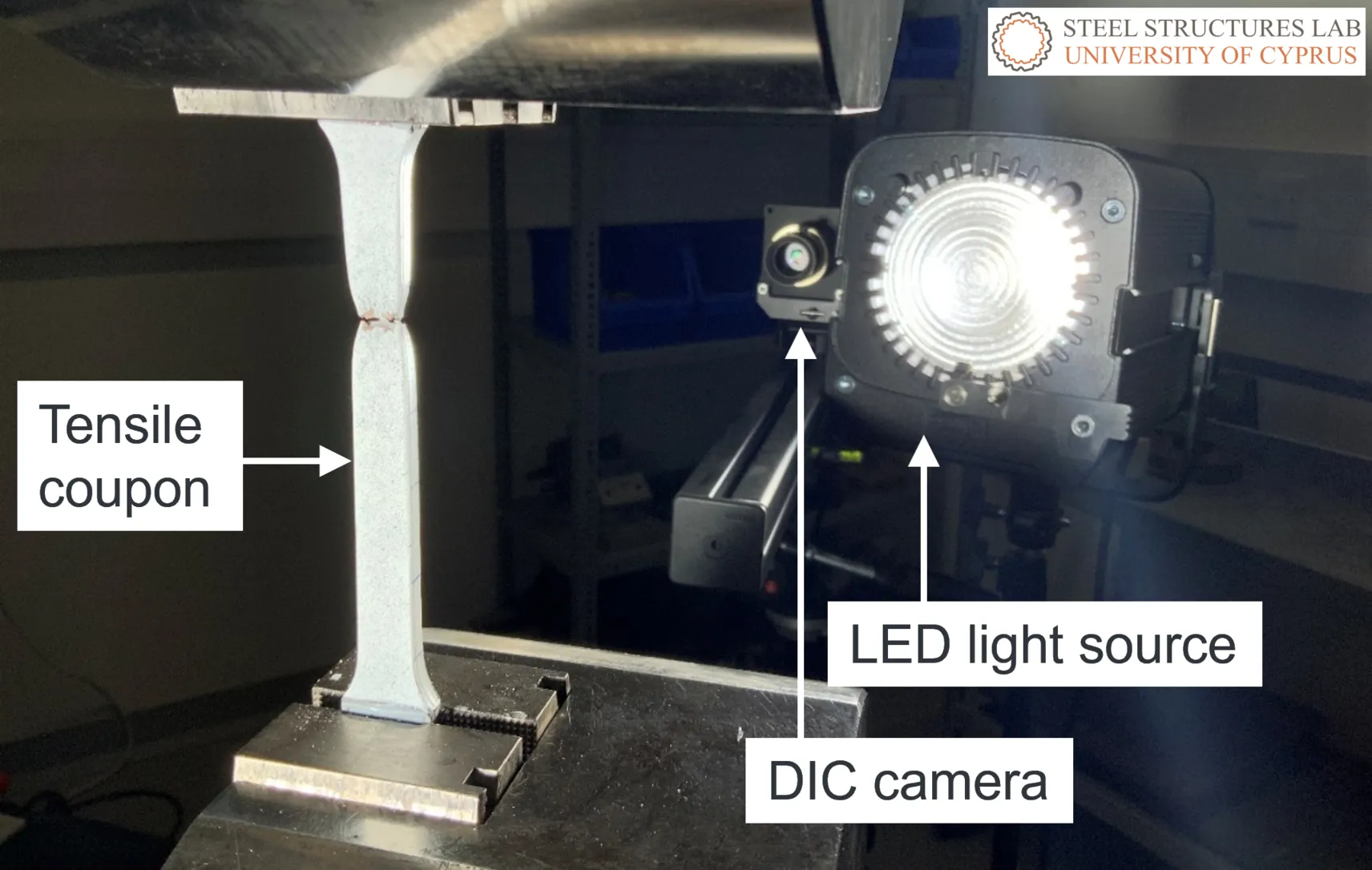
(1) Experimentation – e.g. full-scale, member and material testing
(2) Numerical modelling – e.g. finite element modelling (GMNIA)
(3) Analytical modelling – e.g. energy methods and structural mechanics
The laboratory can host the research activities of post-doctoral and doctoral researchers, as well as those of postgraduate students.



Location:POL04 Β111
Location: POL05 Β309
Last Updated on May 5, 2026

